


 Home
Home May 09,2026
Frameless Glass Folding Door Systems & Custom Interior Glass Bi-fold Doors
Structural Design, Hardware Engineering, and Interior Application Analysis
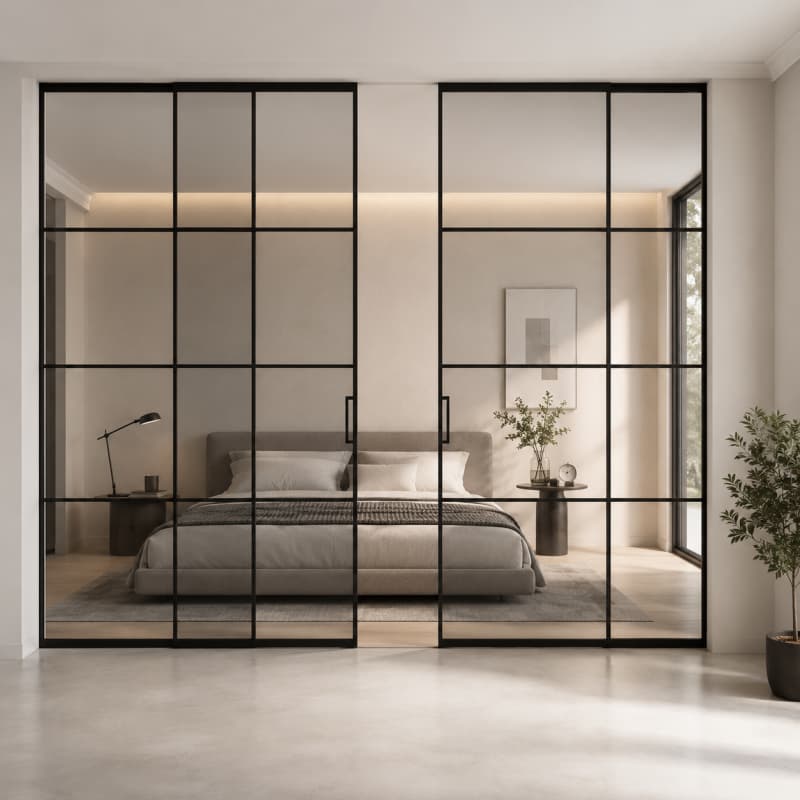
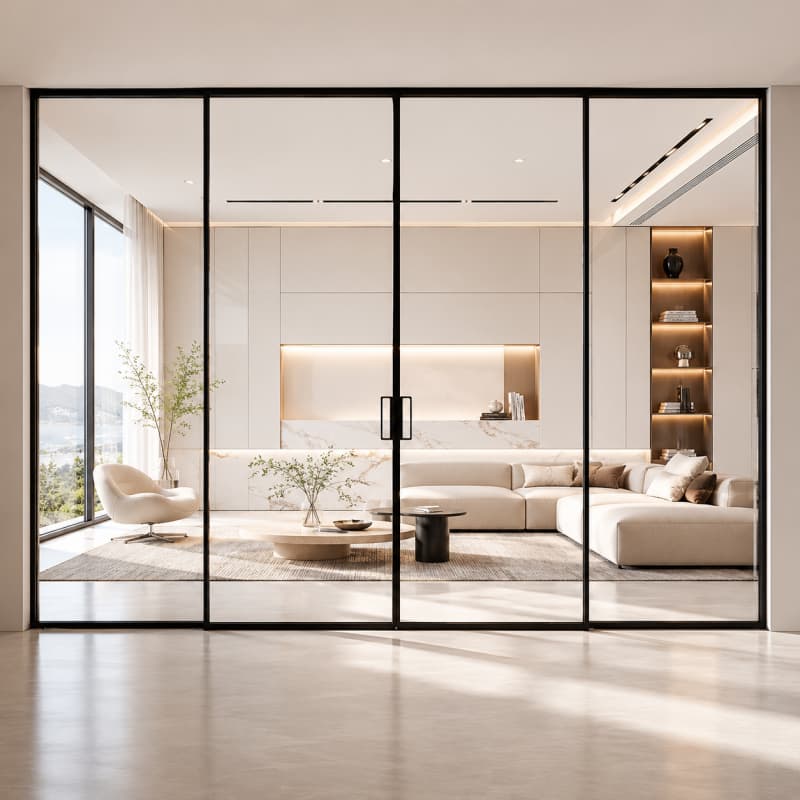
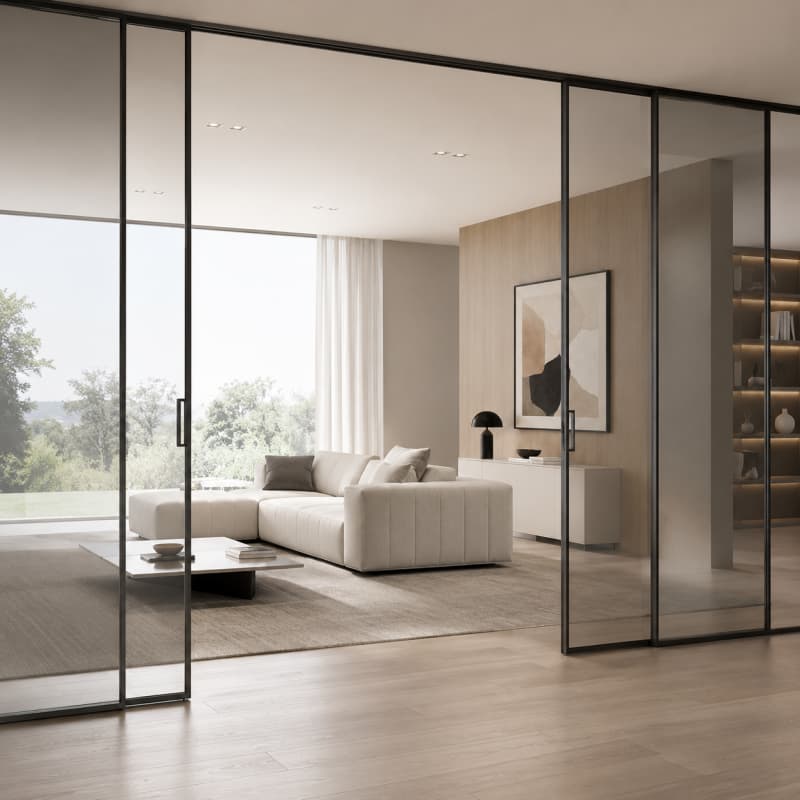
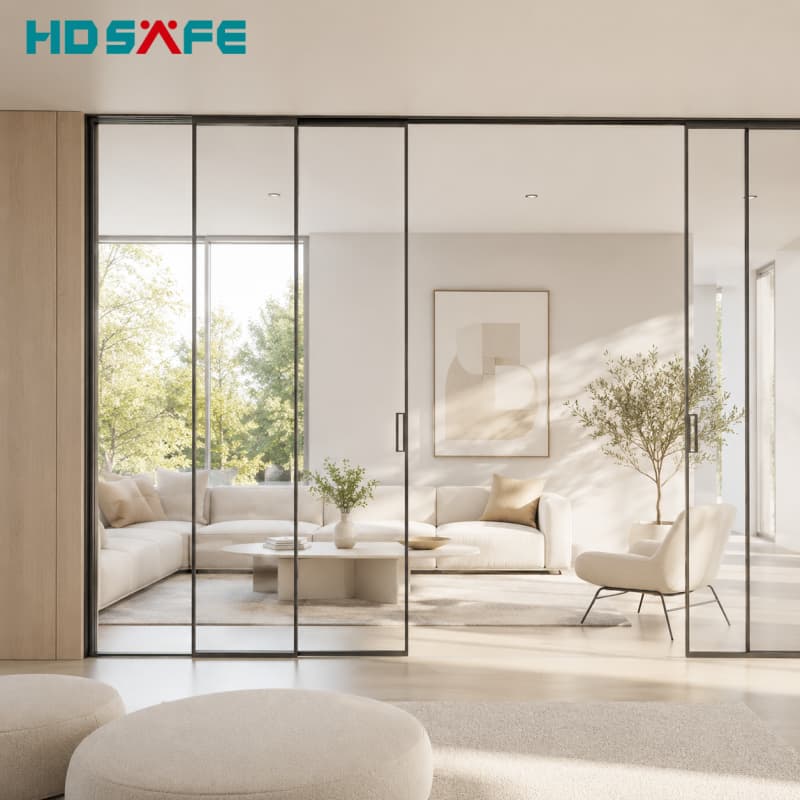
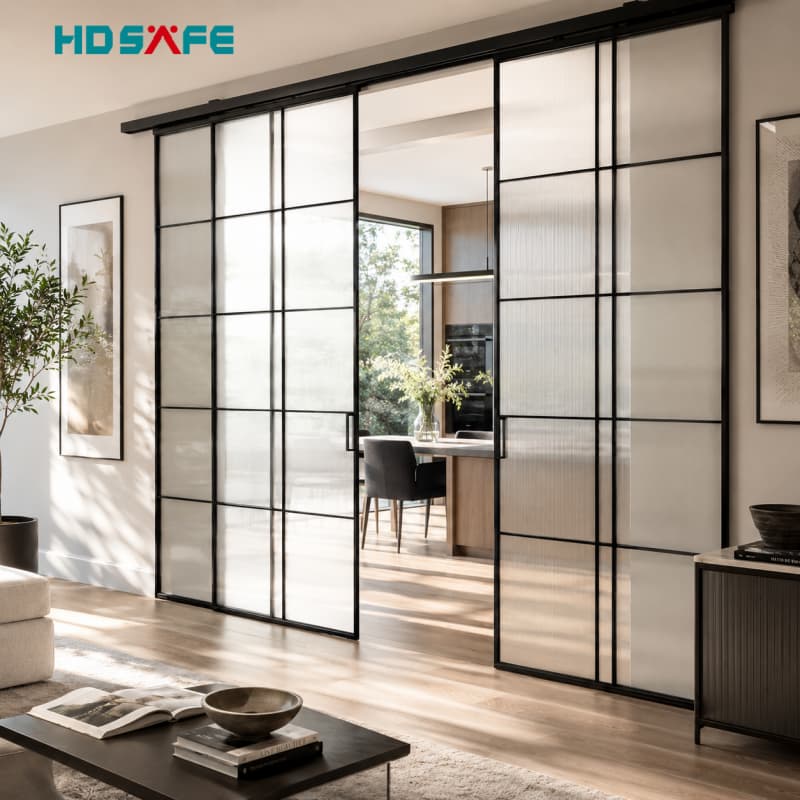
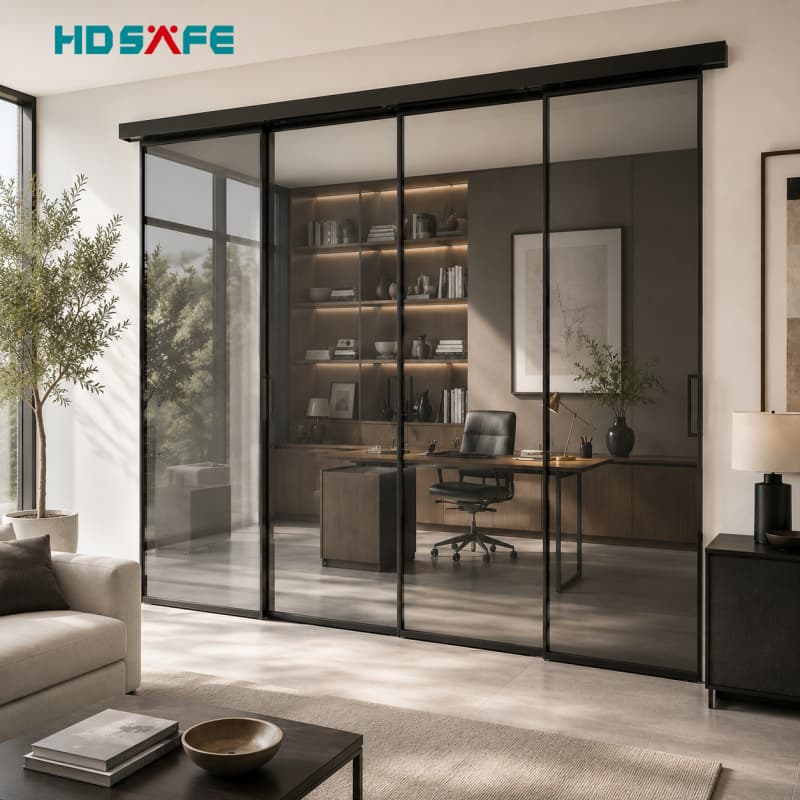
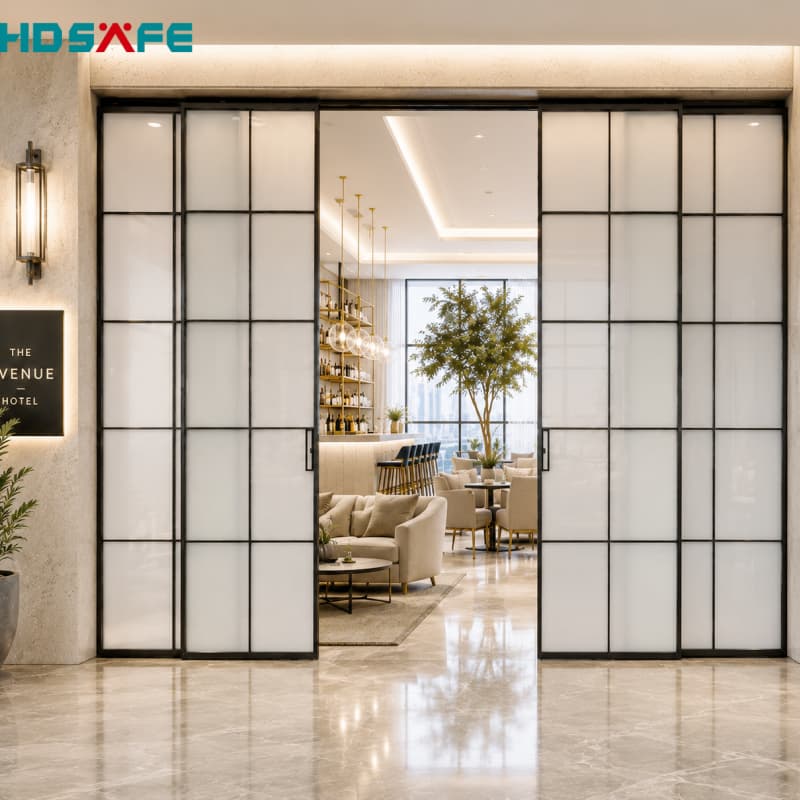
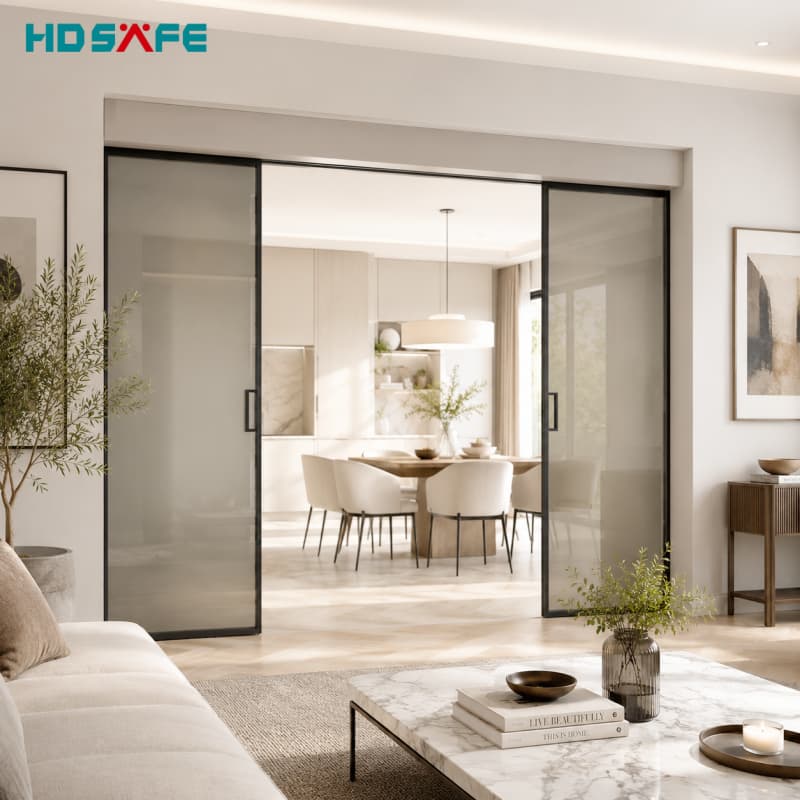
In modern interior architecture, flexible space planning and minimalist aesthetics have become major design priorities. As a result, Frameless Glass Folding Door Systems and Custom Interior Glass Bi-fold Doors are increasingly used in residential, hospitality, office, and commercial projects throughout the United States and Australia.
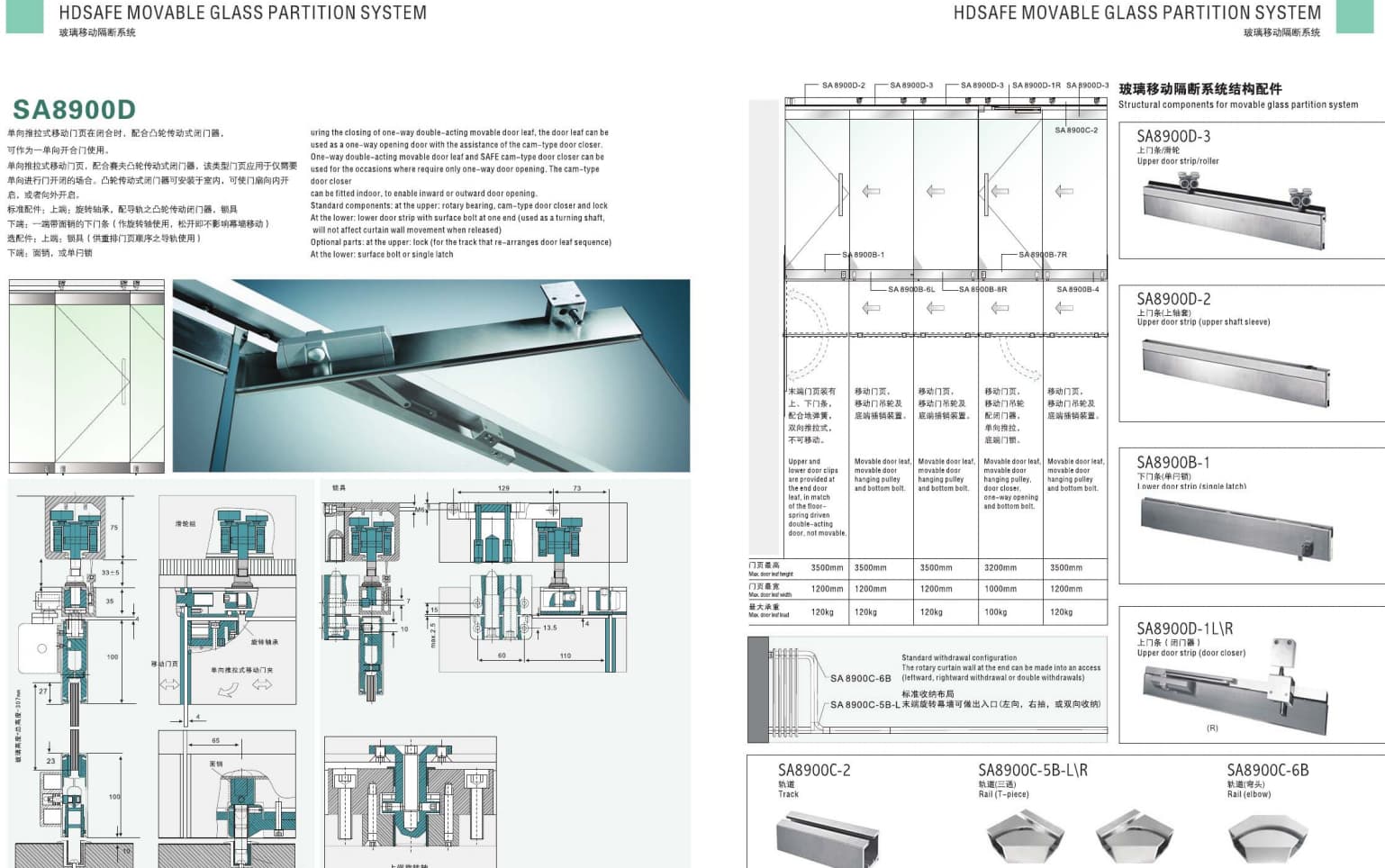
Unlike conventional swing doors or framed partition systems, frameless folding glass doors are designed to maximize transparency while allowing spaces to be opened or divided when required. Their performance relies heavily on glass specification, hardware engineering, load-bearing structures, installation accuracy, and operational durability.
This article examines the technical characteristics, hardware systems, design considerations, and common architectural applications associated with frameless interior glass folding door systems.
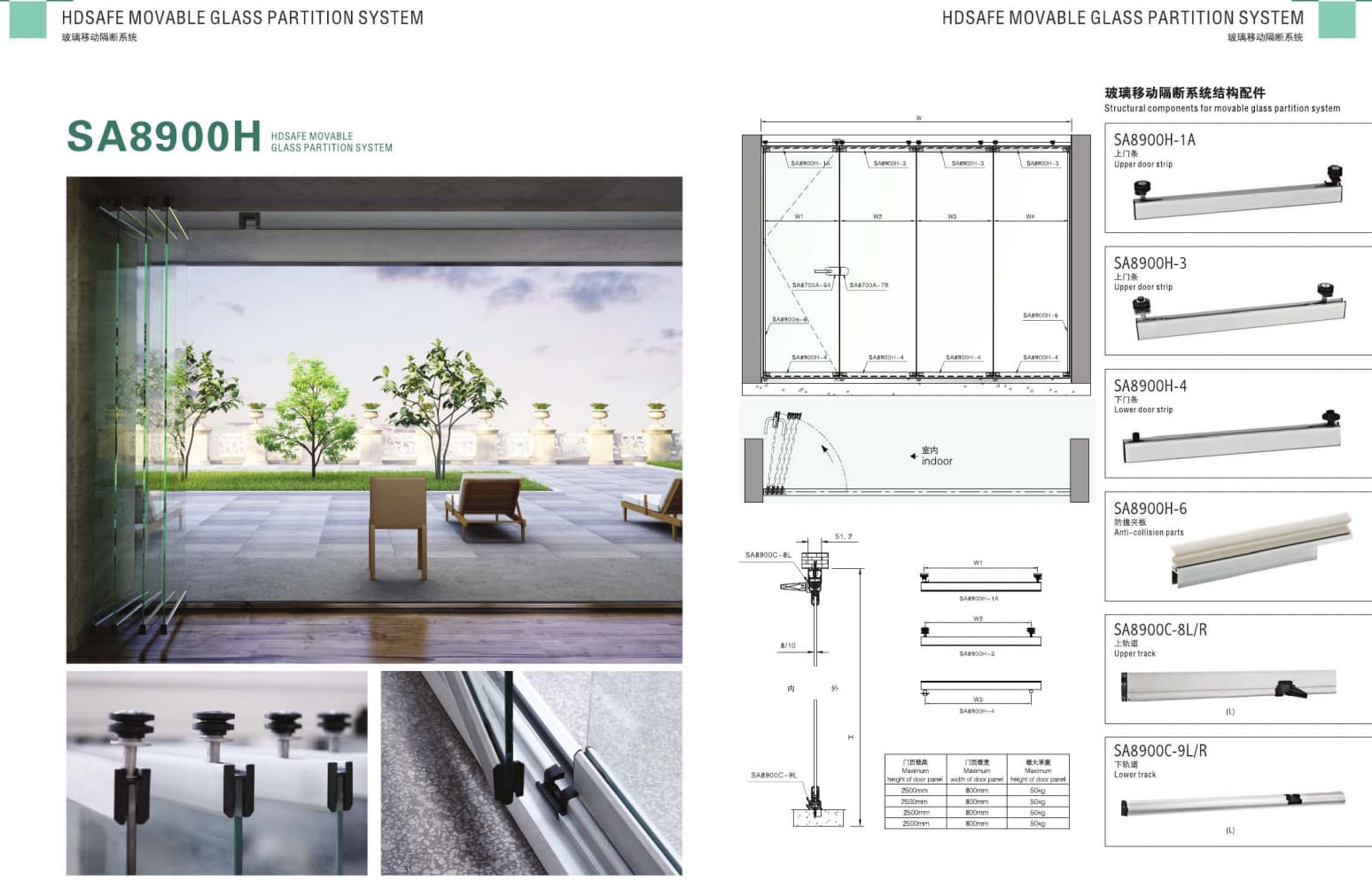
1. Overview of Frameless Folding Glass Door Systems
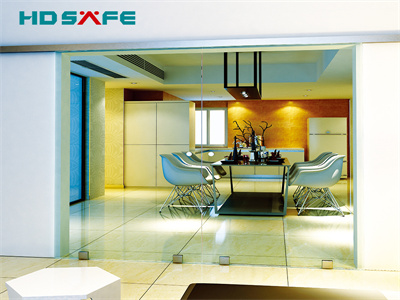
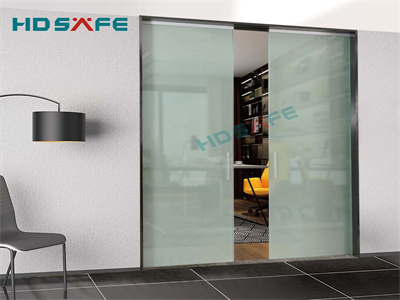
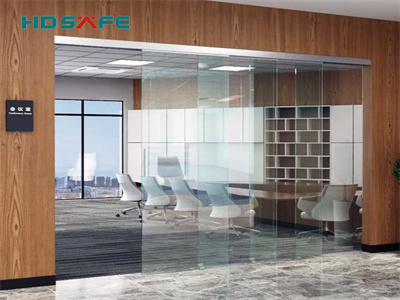
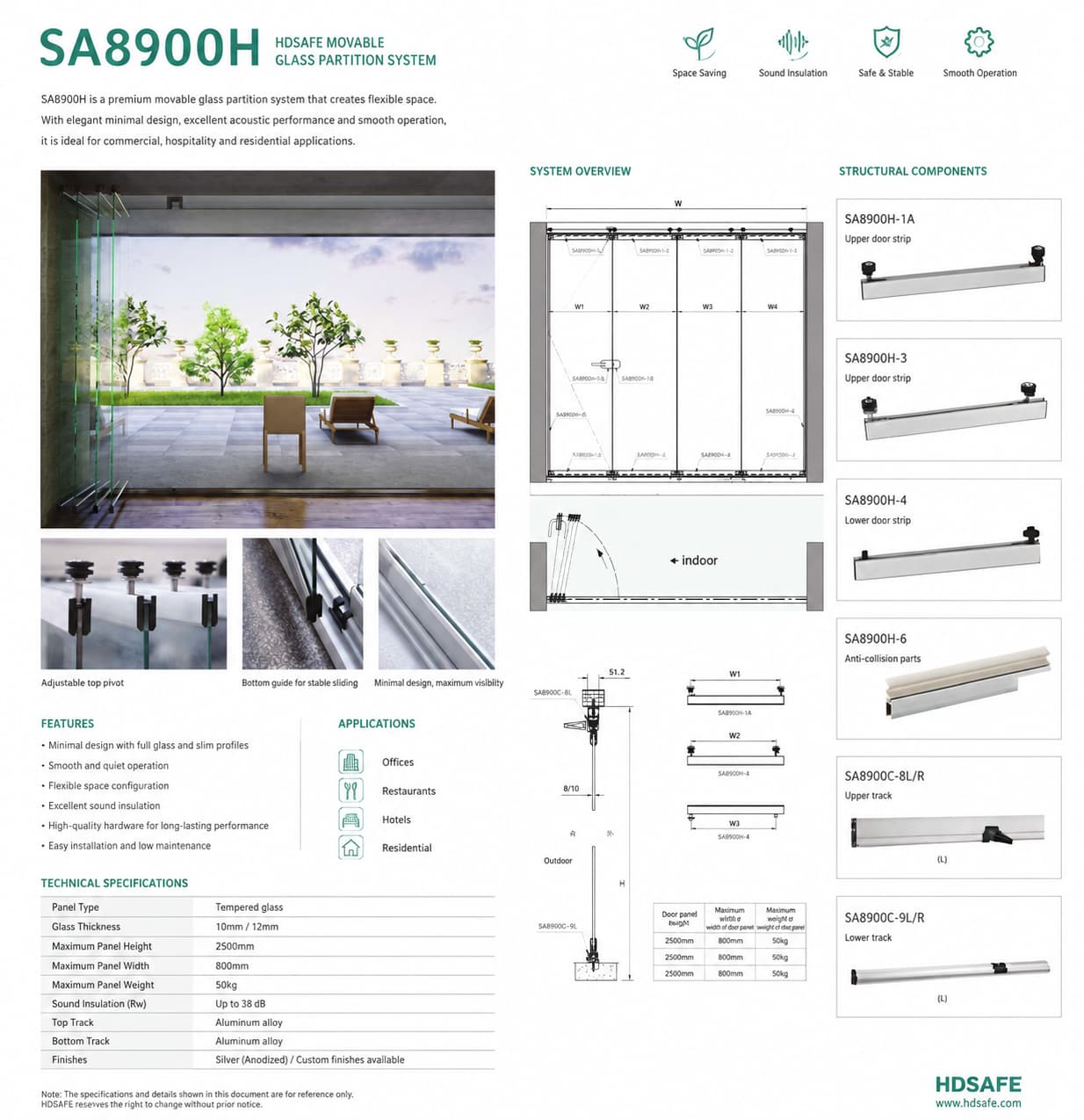
A frameless folding glass door system consists of multiple tempered glass panels connected through hinges and guided by a sliding track mechanism. The panels fold and stack laterally to create flexible openings.
Basic System Composition
| Component | Function |
|---|---|
| Tempered Glass Panels | Main structural and visual element |
| Track System | Guides panel movement |
| Rollers | Carry panel load and enable smooth sliding |
| Hinges | Connect adjacent glass panels |
| Handles & Locks | User operation and security |
| Floor Guide | Stabilizes panel movement |
| Soft-Close System | Reduces impact and operational noise |
2. Common Glass Specifications
Glass thickness selection depends on panel dimensions, usage frequency, and structural requirements.
Typical Interior Glass Thickness
| Glass Thickness | Typical Usage |
|---|---|
| 8mm Tempered Glass | Residential interior partitions |
| 10mm Tempered Glass | Office and hotel applications |
| 12mm Tempered Glass | Large-format commercial systems |
Tempered vs Laminated Glass
| Glass Type | Characteristics | Common Application |
|---|---|---|
| Tempered Glass | High impact resistance | Standard interior systems |
| Laminated Glass | Improved acoustic performance | Offices & hospitality |
| Frosted Glass | Increased privacy | Bathrooms & meeting rooms |
| Low-Iron Glass | Higher transparency | Luxury interiors |
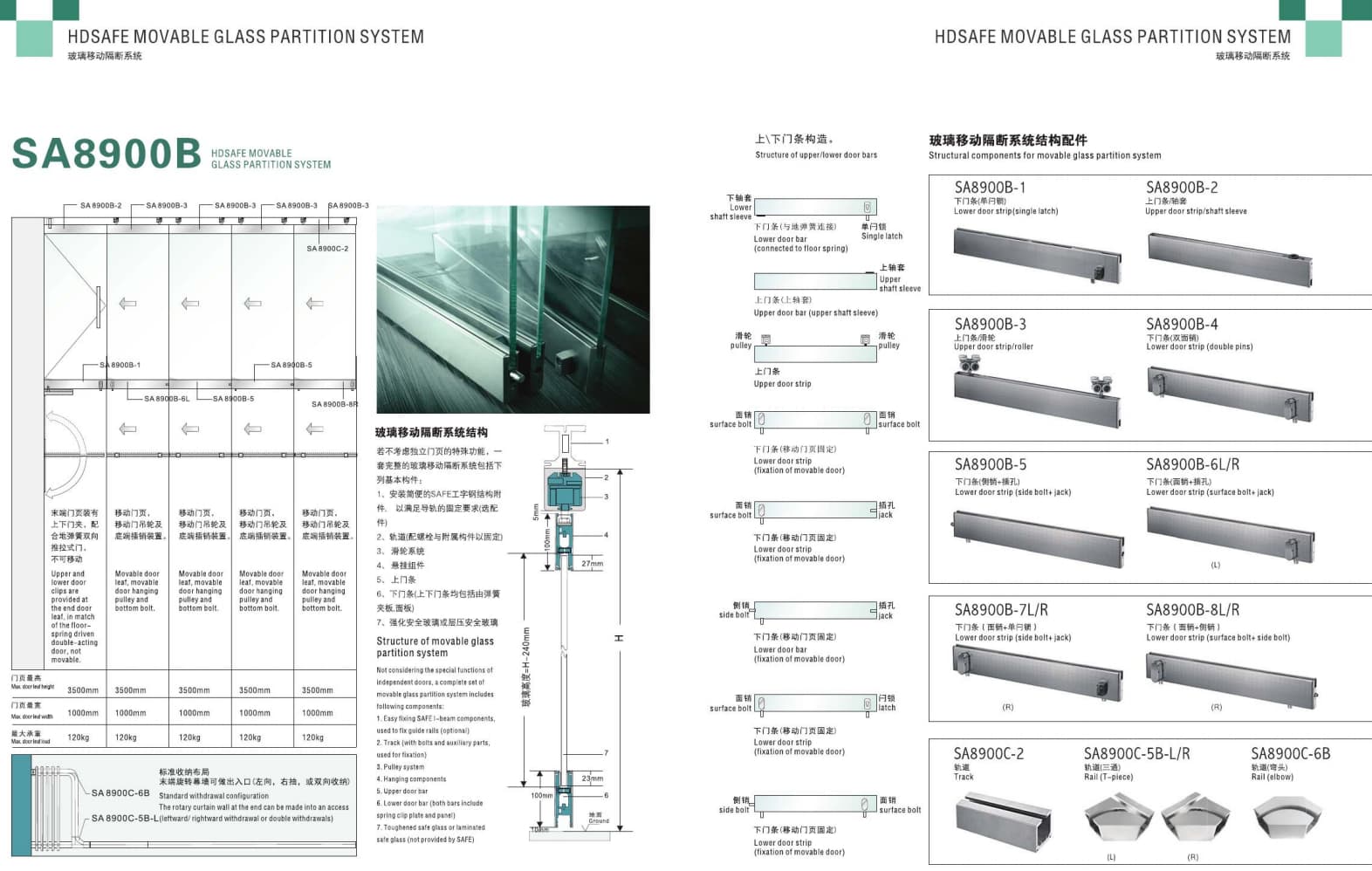
3. Hardware Engineering Considerations
Hardware quality directly affects the operational lifespan and stability of frameless folding doors.
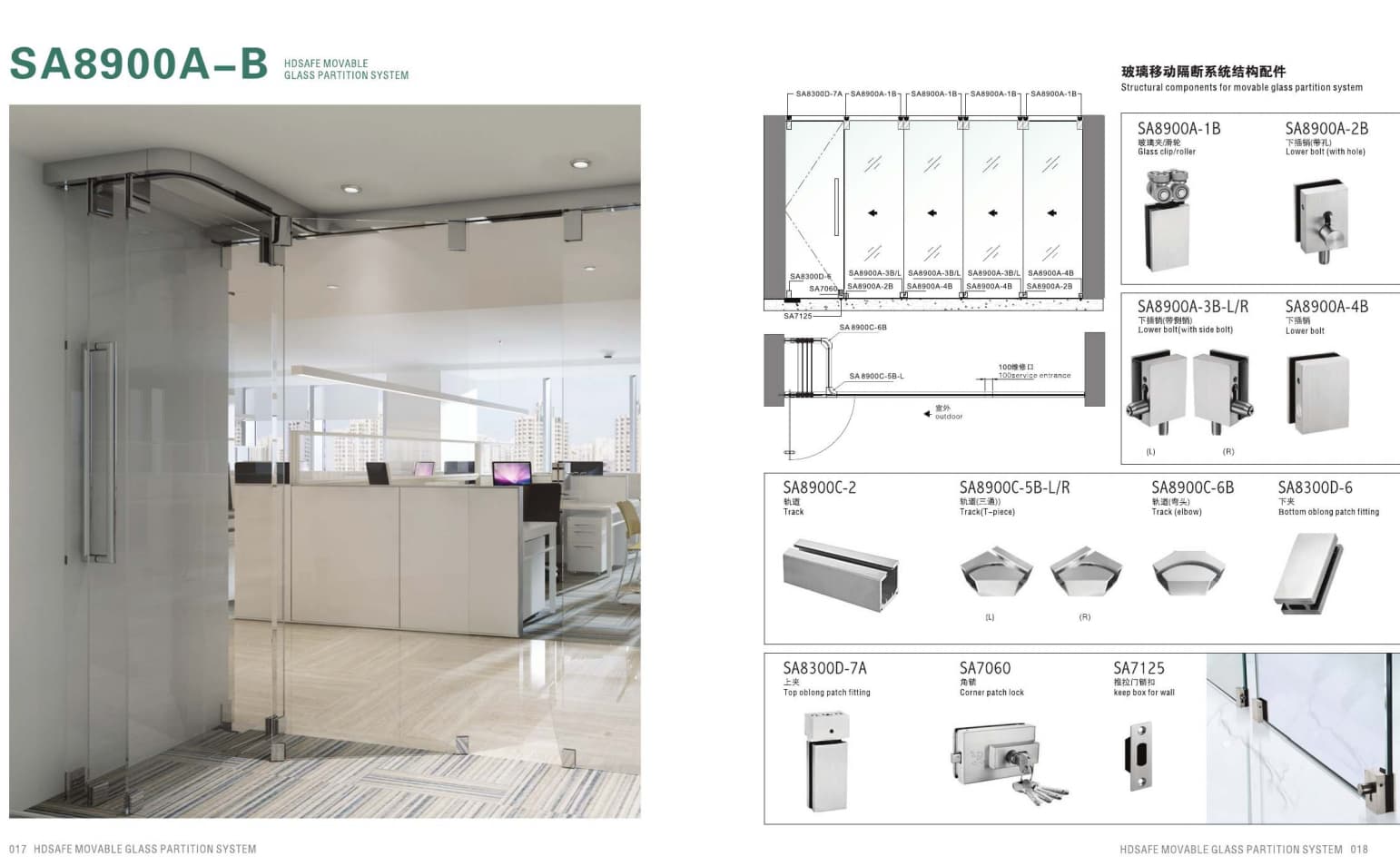
Main Hardware Components
| Hardware Part | Technical Role |
|---|---|
| Roller Assembly | Supports sliding movement |
| Pivot Hinge | Transfers panel load |
| Suspension Bracket | Connects panel to track |
| Anti-Jump Device | Prevents derailment |
| Floor Pivot | Stabilizes bottom alignment |
| Stopper System | Controls opening limit |
Common Hardware Materials
| Material | Advantages | Typical Use |
|---|---|---|
| SUS304 Stainless Steel | Corrosion resistance | Standard interior systems |
| SUS316 Stainless Steel | Marine-grade durability | Coastal environments |
| Aluminum Alloy | Lightweight structure | Framed support systems |
| Brass Components | Decorative appearance | Luxury hardware details |
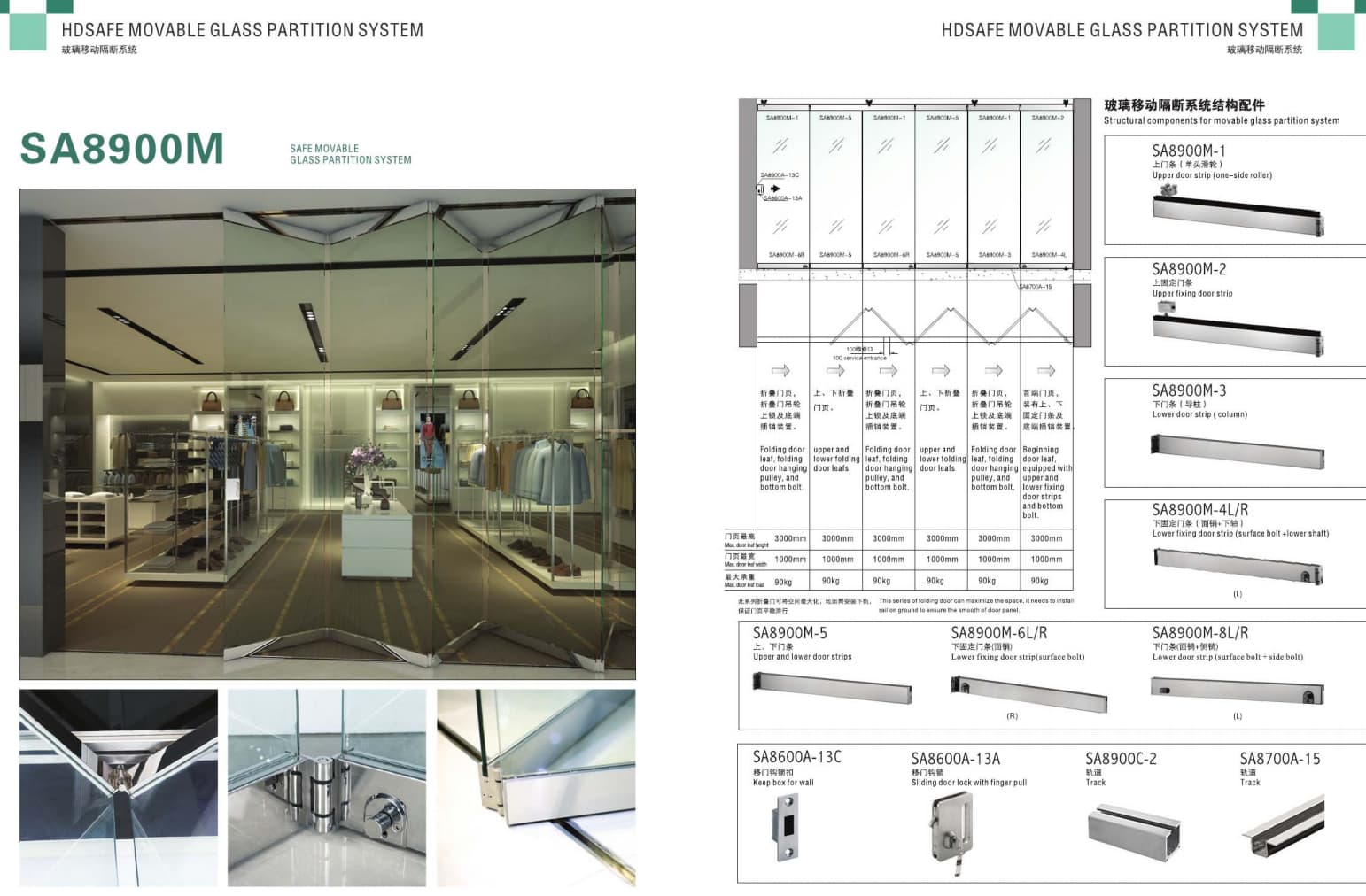
4. Track System Types
The track system determines load distribution and operational smoothness.
Top-Hung Folding Systems
Characteristics
| Feature | Description |
|---|---|
| Weight Distribution | Supported from overhead structure |
| Floor Appearance | Cleaner floor finish |
| Operational Smoothness | Higher |
| Maintenance Requirement | Lower floor cleaning needs |
Engineering Notes
| Consideration | Requirement |
|---|---|
| Ceiling Support | Reinforced structural beam required |
| Alignment Accuracy | High precision needed |
| Track Straightness | Critical for roller lifespan |
Bottom-Supported Folding Systems
Characteristics
| Feature | Description |
|---|---|
| Weight Distribution | Supported by floor track |
| Structural Demand | Lower ceiling load |
| Panel Stability | Better for oversized panels |
| Floor Visibility | More visible hardware |
Engineering Notes
| Consideration | Requirement |
|---|---|
| Floor Levelness | Critical |
| Debris Cleaning | Regular maintenance needed |
| Roller Pressure | Higher floor contact stress |
5. Folding Door Configuration Options
Different folding layouts are selected based on opening size and spatial planning.
Common Panel Configurations
| Configuration | Description | Common Application |
|---|---|---|
| Single Direction Folding | Panels stack to one side | Small rooms |
| Center Opening | Panels separate from middle | Hotel suites |
| Double Side Folding | Panels stack both sides | Large openings |
| Corner Opening System | Open corner without fixed post | Luxury residences |
Panel Quantity Recommendations
| Opening Width | Recommended Configuration |
|---|---|
| Under 2m | 2 Panels |
| 2m – 3m | 3–4 Panels |
| 3m – 5m | 4–6 Panels |
| Over 5m | Custom engineered system |
6. Load Capacity and Structural Performance
The structural capacity of the system depends on hardware grade and panel size.
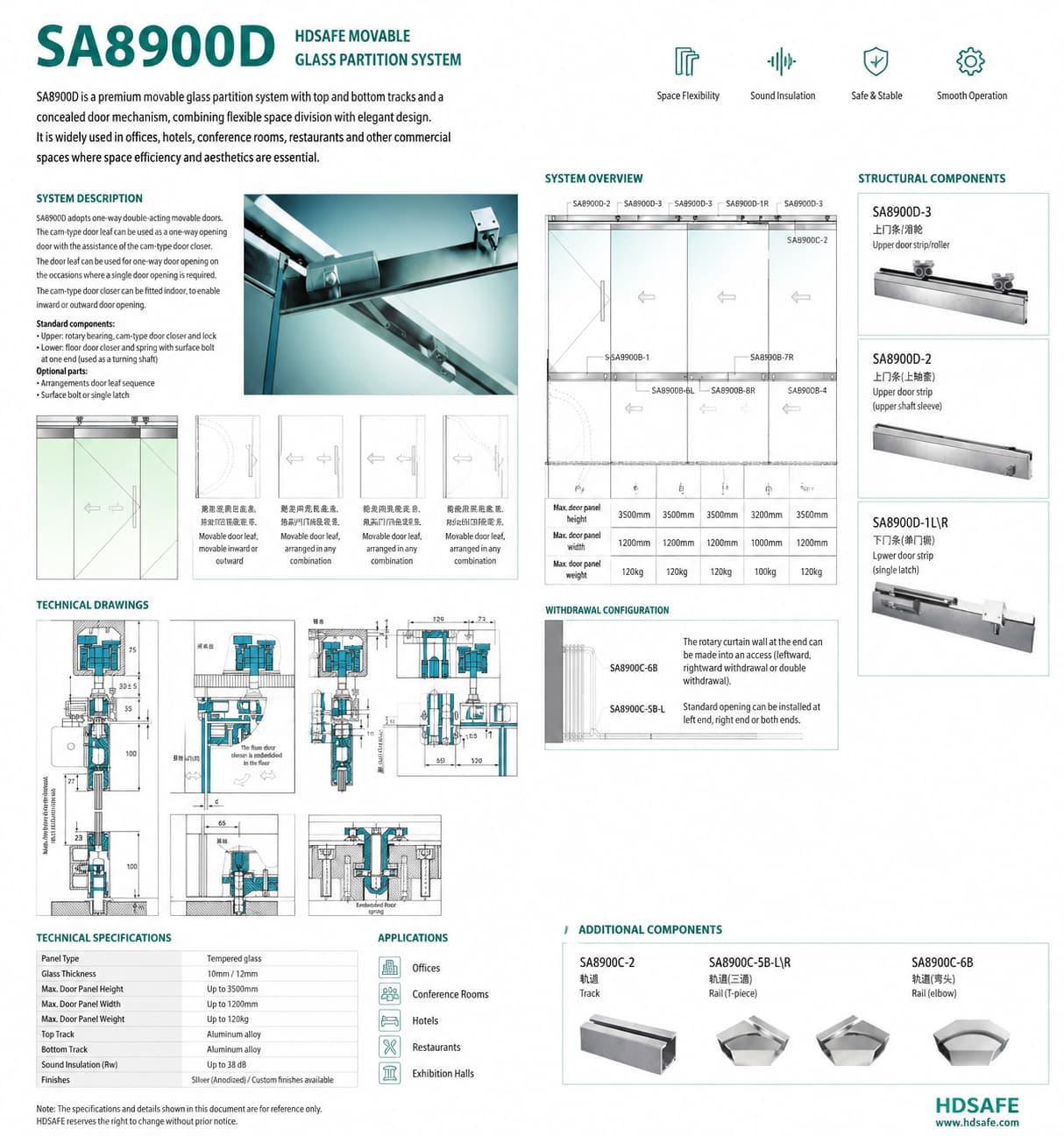
Typical Technical Parameters
| Specification | Common Range |
|---|---|
| Maximum Panel Width | 900mm – 1200mm |
| Maximum Panel Height | 2500mm – 3000mm |
| Maximum Panel Weight | 80kg – 150kg |
| Roller Test Cycles | 100,000 – 200,000+ |
| Track Thickness | 2.0mm – 4.0mm |
7. Acoustic Performance
Frameless systems provide moderate acoustic separation while maintaining visual openness.
Factors Affecting Sound Insulation
| Factor | Acoustic Impact |
|---|---|
| Glass Thickness | Higher thickness improves insulation |
| Laminated Interlayer | Reduces vibration transmission |
| Seal Quality | Controls air leakage |
| Hardware Precision | Reduces panel gaps |
| Installation Accuracy | Maintains consistent alignment |
Typical Acoustic Performance Levels
| System Type | Approximate Acoustic Rating |
|---|---|
| Single Tempered Glass | Moderate |
| Laminated Acoustic Glass | Higher |
| Fully Framed Acoustic Partition | Highest |
8. Interior Applications
Residential Applications
| Area | Purpose |
|---|---|
| Living Rooms | Flexible open-plan division |
| Kitchens | Semi-open separation |
| Walk-in Closets | Space-saving access |
| Home Offices | Temporary privacy |
Commercial Applications
| Area | Purpose |
|---|---|
| Meeting Rooms | Flexible conference spaces |
| Executive Offices | Transparent partitions |
| Co-working Spaces | Modular layouts |
| Retail Showrooms | Open display systems |
Hospitality Applications
| Area | Purpose |
|---|---|
| Hotel Suites | Bathroom or bedroom separation |
| Restaurants | Private dining division |
| Conference Areas | Expandable room layouts |
| Lounge Spaces | Flexible zoning |
9. Installation Requirements
Installation precision is critical for long-term operational stability.
Key Installation Factors
| Installation Factor | Importance |
|---|---|
| Track Levelness | Prevents uneven movement |
| Vertical Alignment | Maintains panel consistency |
| Structural Reinforcement | Supports system load |
| Glass Edge Protection | Prevents stress damage |
| Hardware Calibration | Ensures smooth operation |
Common Installation Issues
| Problem | Possible Cause |
|---|---|
| Uneven Sliding | Track misalignment |
| Excessive Noise | Roller wear or debris |
| Panel Collision | Incorrect spacing |
| Door Sagging | Weak structural support |
| Roller Failure | Overloaded panels |
10. Surface Finishes and Visual Design
Modern frameless systems are frequently selected for their compatibility with minimalist interiors.
Popular Hardware Finishes
| Finish | Visual Style |
|---|---|
| Brushed Stainless Steel | Industrial-modern |
| Polished Stainless Steel | Luxury contemporary |
| Matte Black | Minimalist architecture |
| Champagne Gold | Hospitality interiors |
| Titanium Grey | Commercial office spaces |
11. Design Trends in the US and Australia
Architectural projects in the United States and Australia increasingly prioritize adaptable interiors and natural light integration.
Current Design Preferences
| Trend | Architectural Influence |
|---|---|
| Open Plan Interiors | Larger flexible spaces |
| Minimalist Detailing | Reduced visible framing |
| Natural Light Optimization | Increased glass usage |
| Flexible Workspaces | Movable partitions |
| Luxury Apartment Design | Transparent room division |
12. Maintenance Recommendations
Routine maintenance improves operational lifespan and hardware stability.
Recommended Maintenance Schedule
| Maintenance Item | Frequency |
|---|---|
| Track Cleaning | Monthly |
| Roller Inspection | Every 6 Months |
| Hardware Tightening | Every 12 Months |
| Lubrication | Every 6–12 Months |
| Glass Inspection | Annually |
13. Technical Comparison: Folding vs Sliding Glass Systems
| Feature | Folding Glass Doors | Sliding Glass Doors |
|---|---|---|
| Opening Width | Larger full opening | Partial opening |
| Space Efficiency | High | Moderate |
| Hardware Complexity | Higher | Lower |
| Visual Transparency | Excellent | Excellent |
| Installation Difficulty | Higher | Moderate |
| Flexibility | Very high | Moderate |
Conclusion
Frameless Glass Folding Door Systems and Custom Interior Glass Bi-fold Doors combine architectural transparency with flexible spatial functionality. Their long-term performance depends on precise engineering, structural support, hardware quality, and installation accuracy rather than aesthetics alone.
As interior architecture in the United States and Australia continues to emphasize minimalist layouts, flexible space planning, and increased natural light, frameless folding glass systems remain a technically relevant solution across residential, commercial, and hospitality projects.
From roller engineering and track systems to acoustic performance and structural load distribution, every technical detail contributes to the operational quality and durability of the overall system.
 Luxury Champagne Gold Sliding Glass Doors For European Architectural Interiors: Design Trends, Technical Specifications And Project Applications
 May 06,2026