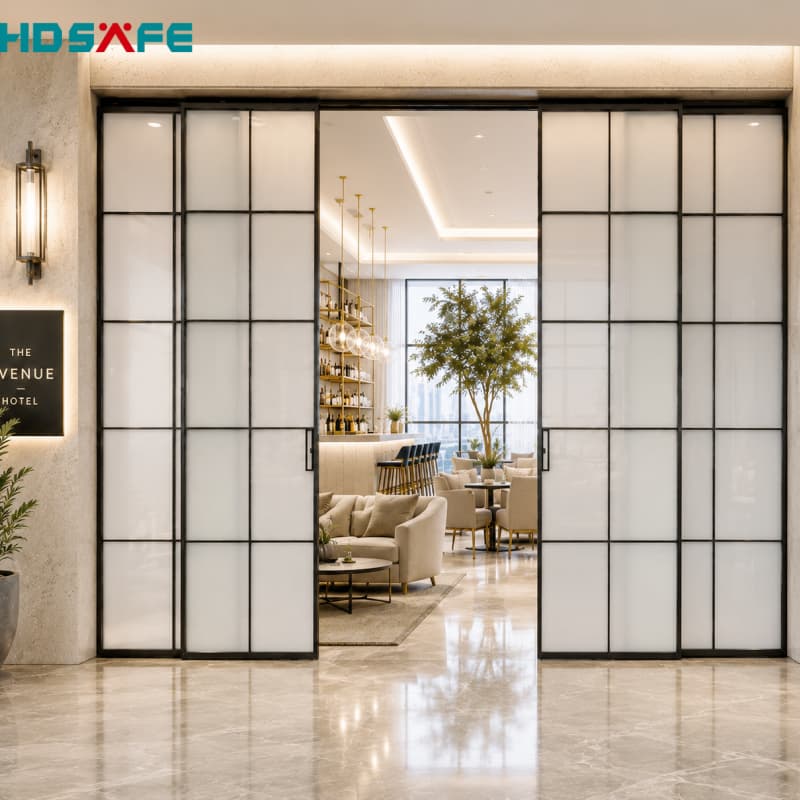
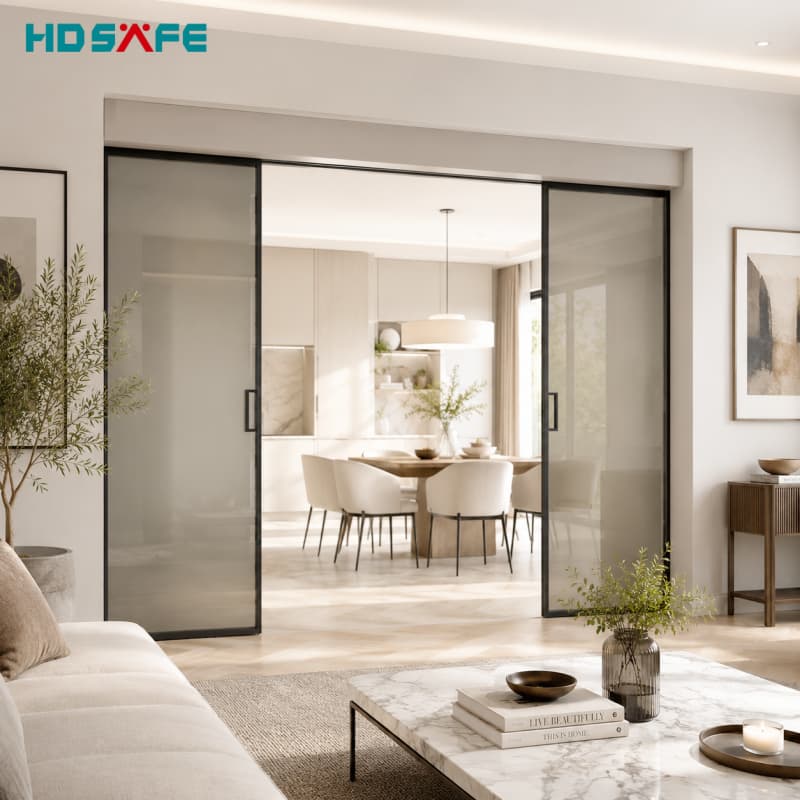
Modern Aluminum Indoor Sliding Glass Doors: Materials, Benefits, and Design Trends for Contemporary Spaces
In the realm of modern interior design, few elements blend functionality, aesthetics, and versatility as seamlessly as the sliding glass door. Once confined to patios or exterior spaces, these doors have evolved into a cornerstone of indoor architecture, redefining how we connect rooms, maximize light, and enhance spatial flow. At the heart of this transformation lies aluminum—a material that has revolutionized sliding glass door construction with its strength, durability, and sleek profile. This article dives deep into the materials, technology, and design innovations behind modern aluminum indoor sliding glass doors, exploring why they are a top choice for homeowners, architects, and designers seeking to elevate contemporary living spaces.
1. Introduction: The Rise of Modern Sliding Glass Doors in Interior Design
The concept of sliding doors dates back centuries, but their modern iteration—particularly indoor variants—has surged in popularity over the past two decades. Driven by trends like open-concept living, biophilic design (connecting indoors with nature), and the demand for flexible, light-filled spaces, sliding glass doorshave transcended their utilitarian roots to become statement pieces. Unlike traditional hinged doors that swing into rooms, sliding doors glide horizontally, saving space and creating uninterrupted sightlines.
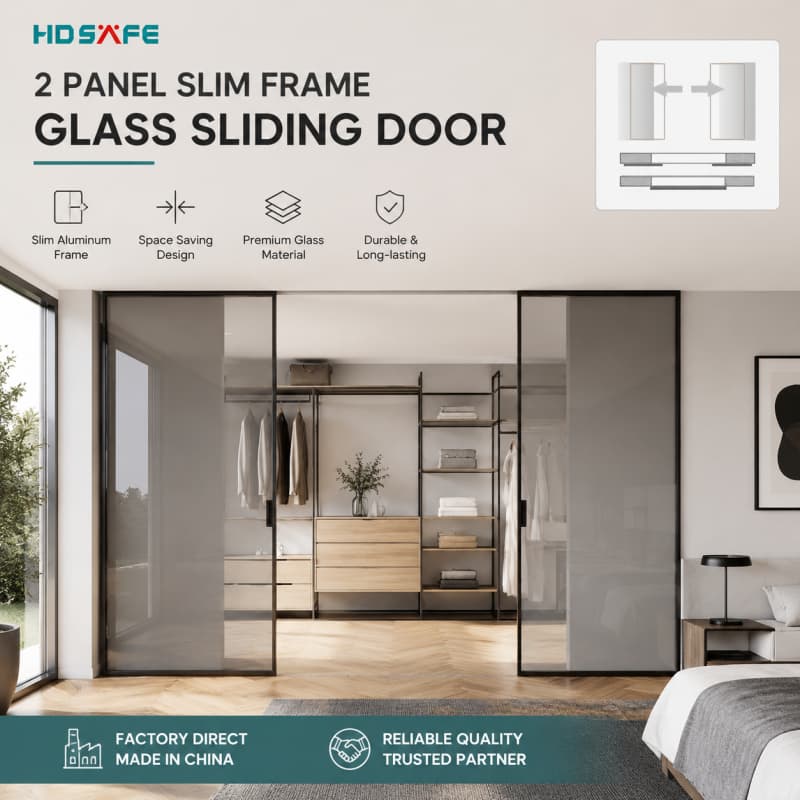
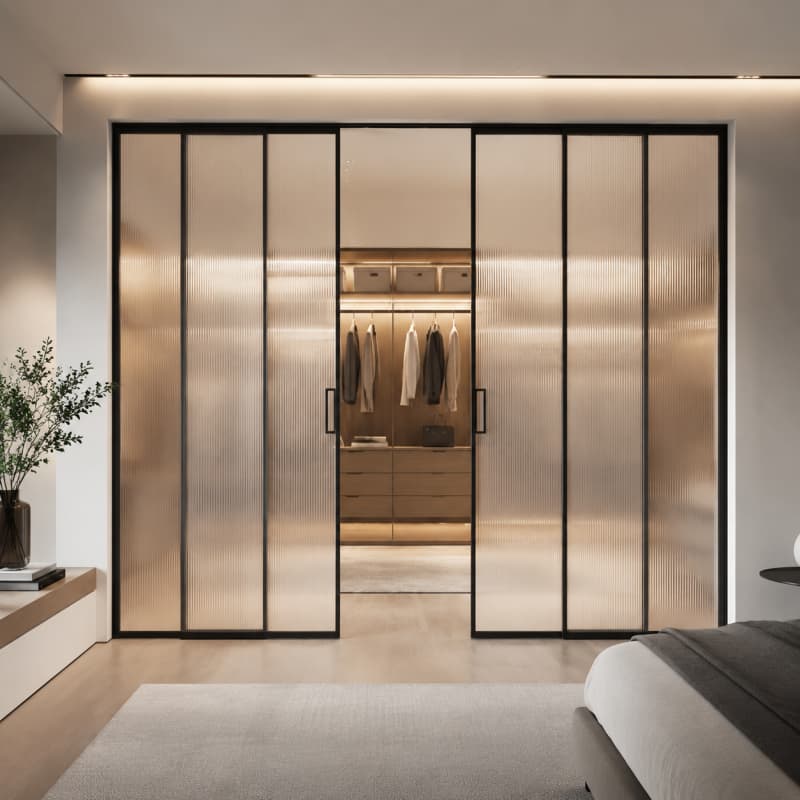
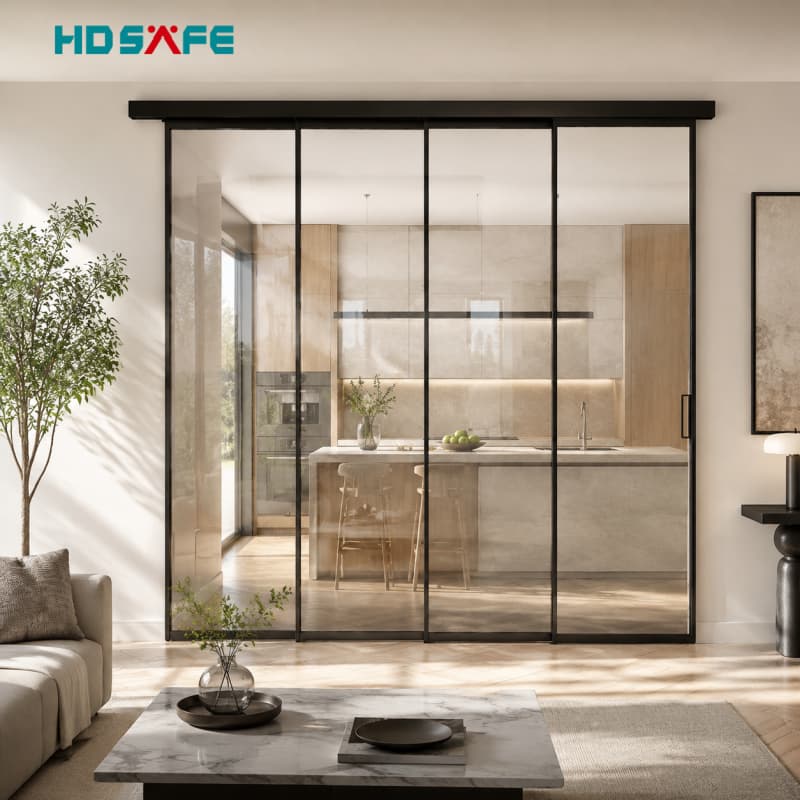
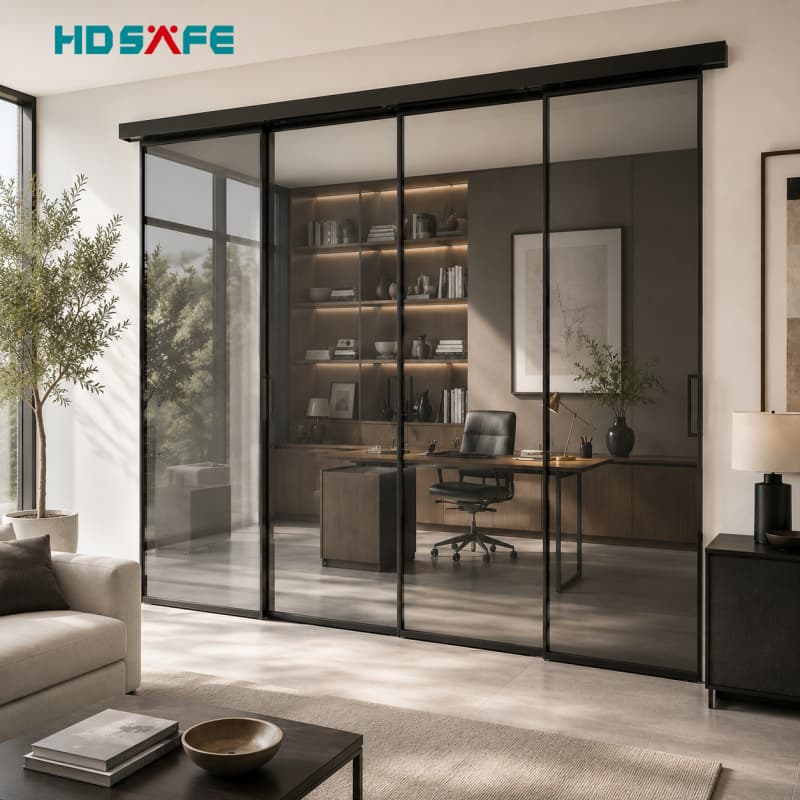
Indoor sliding glass doors are now used to separate living areas, kitchens, home offices, or even walk-in closets, offering privacy when closed and an airy, expansive feel when open. What sets modern versions apart is their material innovation: while wood adds warmth and uPVC offers affordability, aluminum emerges as the gold standard for balancing form and function. Its lightweight yet robust structure, resistance to corrosion, and ability to support large glass panels make it ideal for contemporary interiors.
2. Why Aluminum? The Material Science Behind Modern Sliding Glass Doors
Aluminum’s dominance in sliding glass door manufacturing stems from its unique physical and chemical properties. Let’s break down why it outperforms alternatives like wood, steel, or uPVC in key areas:
2.1 Strength-to-Weight Ratio: Supporting Large Glass Panels
Modern sliding glass doorsoften feature oversized glass panels (up to 10 feet wide or tall) to maximize natural light and views. Aluminum’s high strength-to-weight ratio makes it possible to support these heavy panes without bulky frames. For example, a ¼-inch-thick tempered glass panel can weigh over 30 pounds per square foot; aluminum frames distribute this weight evenly, ensuring smooth operation even for large doors. In contrast, wood requires thicker, heavier frames to prevent warping, while uPVC may flex under stress, compromising structural integrity.
2.2 Corrosion Resistance: Built for Longevity
Indoor environments are not immune to moisture—think steam from showers, spills in kitchens, or humidity from HVAC systems. Aluminum naturally forms a thin oxide layer that resists rust and corrosion, unlike steel (which rusts) or untreated wood (which swells or rots). Powder-coated or anodized aluminum finishes further enhance this protection, making sliding glass doors suitable for high-moisture areas like bathrooms or laundry rooms.
2.3 Thermal Efficiency: Addressing the "Cold Conduction" Myth
A common misconception is that aluminum is a poor insulator. While pure aluminum conducts heat, modern sliding glass doorsuse thermal breaks—polymer or polyamide strips inserted between the inner and outer aluminum profiles. These breaks disrupt heat transfer, reducing thermal conductivity by up to 90% compared to non-broken frames. Combined with double- or triple-glazed glass, aluminum sliding doors can achieve U-values (a measure of heat loss) as low as 0.2 W/m²K, rivaling wood or uPVC in energy efficiency.
2.4 Design Flexibility: Slim Profiles and Custom Finishes
Aluminum’s malleability allows manufacturers to extrude it into ultra-slim profiles (as narrow as 1 inch) or bold, chunky frames, depending on design goals. This flexibility lets designers create minimalist, floor-to-ceiling sliding glass doorsthat emphasize transparency or add architectural interest with thicker, industrial-style frames. Additionally, aluminum accepts a vast range of finishes: powder coating (matte, gloss, textured), anodizing (natural silver, bronze, black), or even wood-grain laminates, enabling seamless integration with any interior aesthetic—from Scandinavian minimalism to mid-century modern.
3. Key Components of Modern Aluminum Indoor Sliding Glass Doors
To understand what makes these doors exceptional, let’s examine their core components:
3.1 Aluminum Frames: The Backbone of Performance
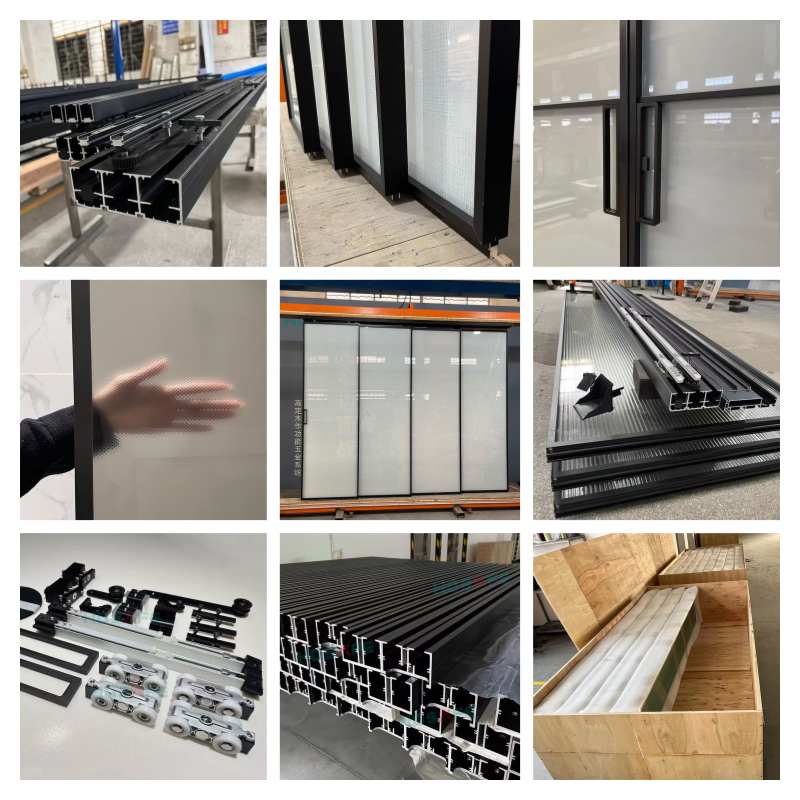
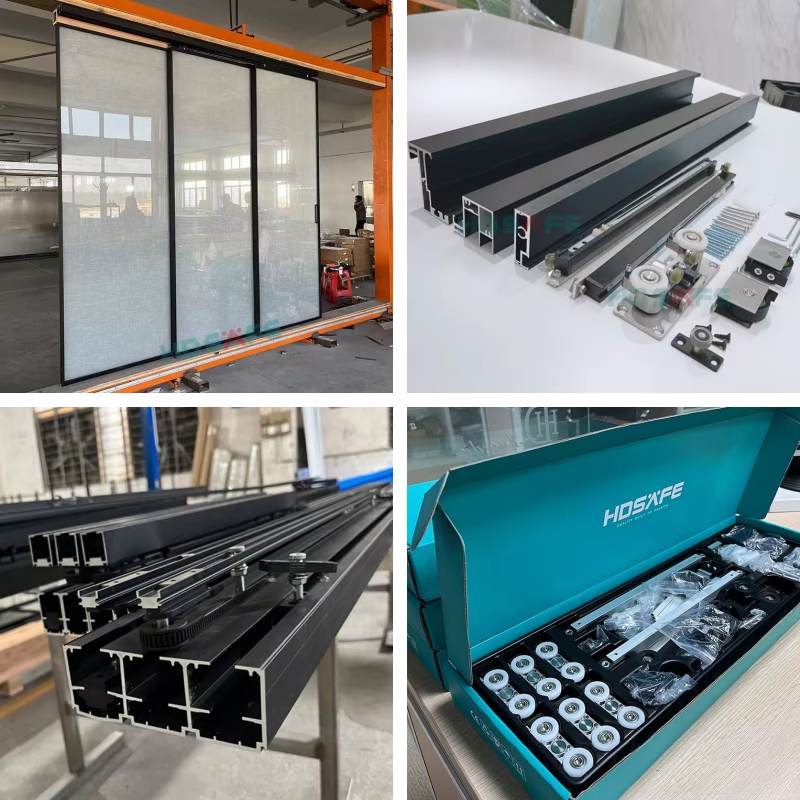
Frames are engineered for both strength and precision. High-quality systems use 6063-T5 aluminum alloy, known for its excellent extrudability and corrosion resistance. The frame’s cross-sectional design includes:
-
Stile and Rail Profiles: Vertical (stile) and horizontal (rail) members that house the glass and hardware. Reinforced corners (via die-cast zinc or stainless steel connectors) prevent flexing.
-
Thermal Breaks: As mentioned, these polyamide strips (e.g., 25mm thick) are critical for insulation. Premium systems use multi-chambered breaks to further reduce heat transfer.
-
Glass Stop Channels: Precision-milled grooves that secure the glass without direct contact, minimizing stress points.
3.2 Glass Options: Balancing Light, Privacy, and Safety
The glass in sliding glass doorsis not one-size-fits-all. Modern options include:
-
Tempered Glass: 4–5x stronger than annealed glass, it shatters into small, blunt pieces for safety. Mandatory for doors in many building codes.
-
Laminated Glass: Two or more layers bonded with a PVB interlayer, it holds together if broken, enhancing security and soundproofing. Ideal for homes with kids or noise concerns.
-
Low-E Glass: Coated with a microscopic metallic layer, it reflects UV rays and infrared heat, improving energy efficiency and protecting furniture from fading.
-
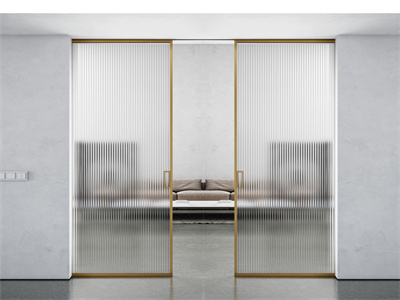
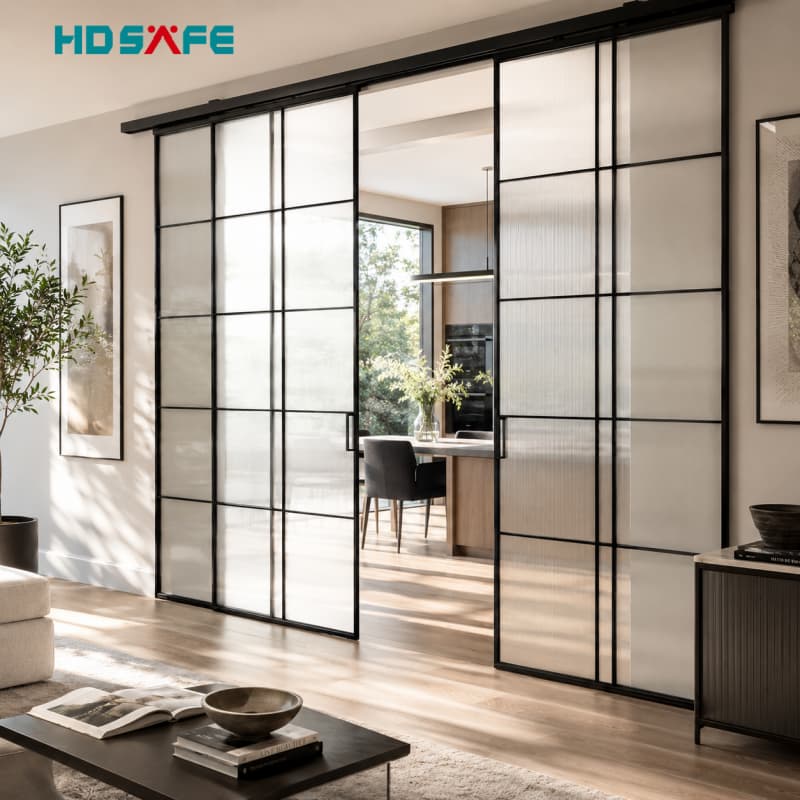
Frosted/Textured Glass: Sandblasted, acid-etched, or patterned glass provides privacy while allowing light transmission. Popular for bedrooms or home offices.
-
Smart Glass: Electrochromic or PDLC (polymer-dispersed liquid crystal) glass switches between transparent and opaque at the touch of a button, adding futuristic functionality.
3.3 Hardware: Smooth Operation and Durability
Hardware is often overlooked but critical to performance. Premium sliding glass doorsfeature:
-
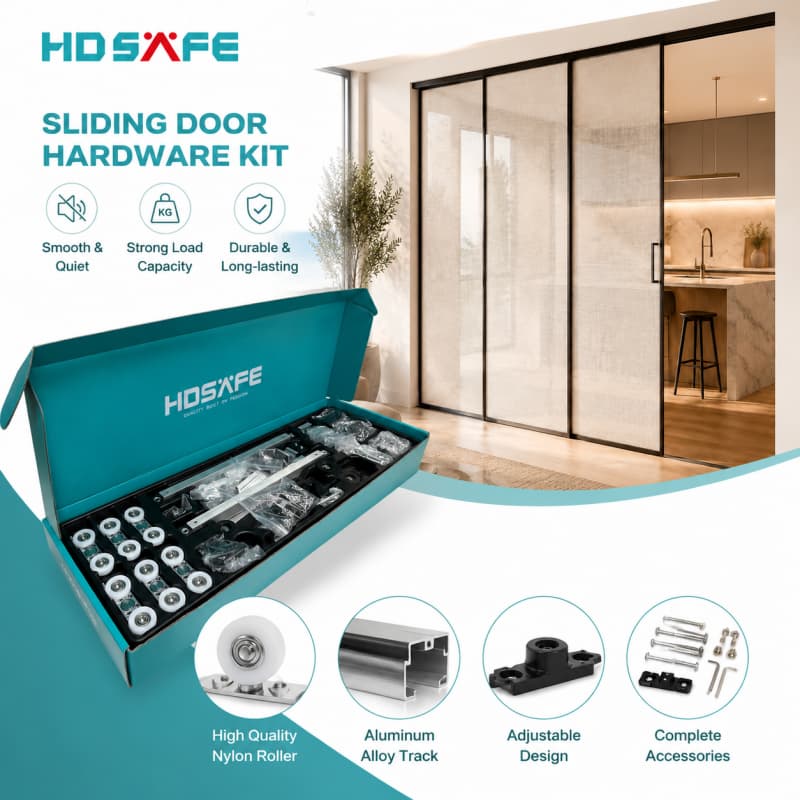
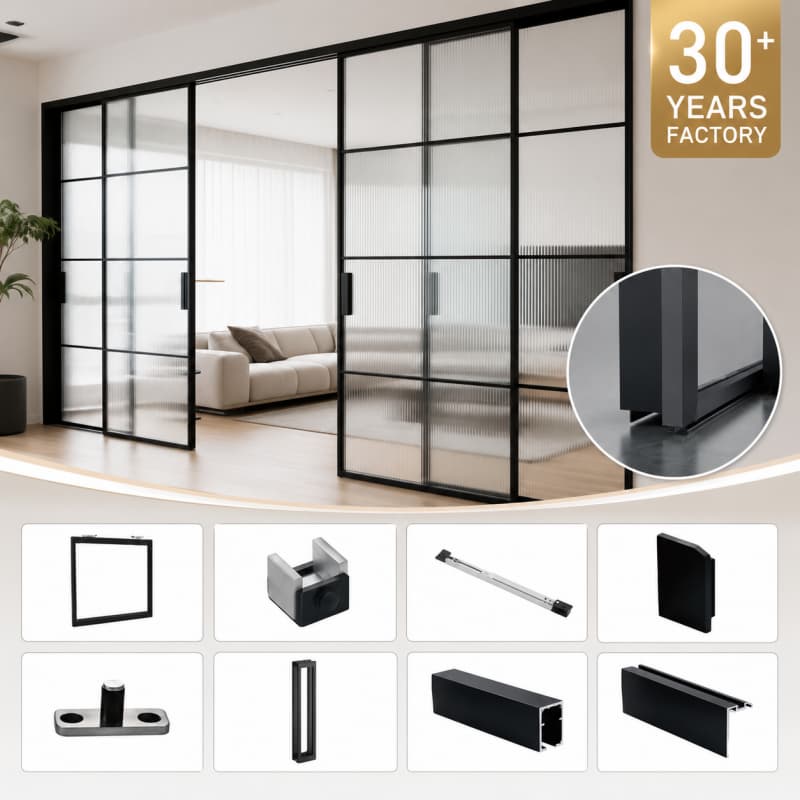
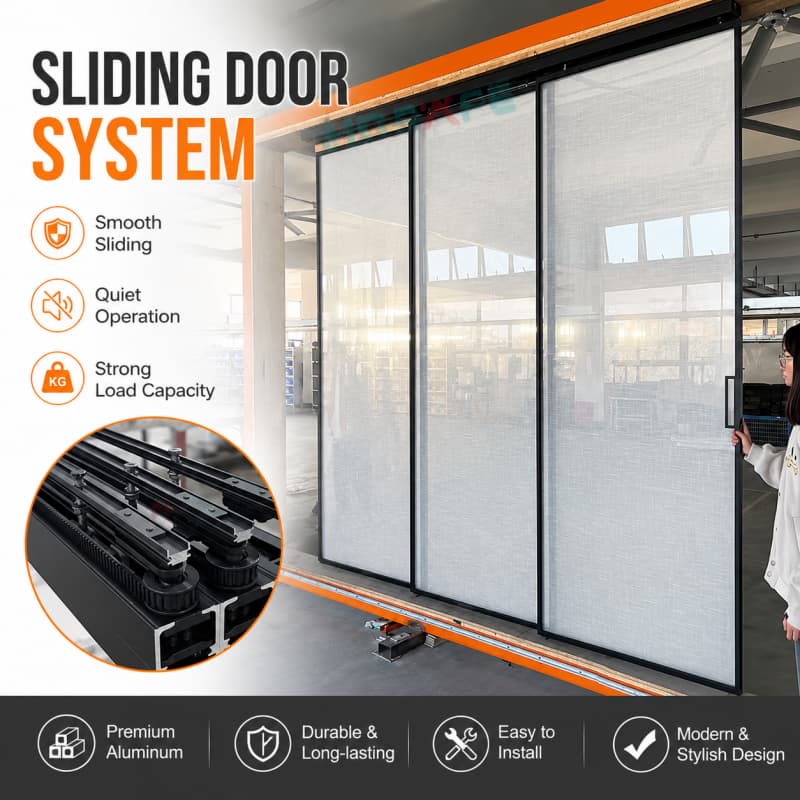
Rollers: Stainless steel or nylon rollers with ball bearings ensure quiet, effortless gliding—even for doors weighing 300+ pounds. Adjustable roller systems compensate for minor frame misalignments.
-
Tracks: Extruded aluminum tracks with stainless steel inserts resist wear. Flush or recessed tracks create a seamless floor appearance.
-
Locks and Handles: Multi-point locking systems (engaging top, middle, and bottom of the door) boost security. Handles come in finishes matching the frame (e.g., brushed nickel, matte black).
-
Soft-Close Mechanisms: Hydraulic dampers prevent slamming, extending the door’s lifespan and reducing noise.
3.4 Seals and Gaskets: Weatherproofing and Acoustics
EPDM rubber or silicone gaskets line the frame edges, creating a tight seal against drafts, dust, and sound. Dual-seal systems (primary and secondary seals) enhance performance, while magnetic seals (common in high-end models) improve closure precision.
4. Benefits of Modern Aluminum Indoor Sliding Glass Doors
Beyond material advantages, these doors offer tangible benefits for homeowners and designers:
4.1 Space Optimization
Unlike hinged doors that require clearance to swing (typically 2–3 feet), sliding doors move parallel to walls, freeing up floor space. This is invaluable in small apartments, studios, or rooms where every square foot counts.
4.2 Enhanced Natural Light
Large glass panels flood interiors with sunlight, reducing reliance on artificial lighting and boosting mood. Studies show natural light improves productivity and sleep quality, making these doors a wellness-focused design choice.
4.3 Visual Continuity
Sliding glass doors eliminate visual barriers, making rooms feel larger and more connected. They are perfect for open-plan layouts, allowing spaces like kitchens and living areas to flow seamlessly.
4.4 Low Maintenance
Aluminum frames resist chipping, peeling, and fading. A simple wipe with a mild detergent keeps them looking new, unlike wood (which needs staining/painting) or fabric curtains (which collect dust).
4.5 Sustainability
Aluminum is 100% recyclable, and modern manufacturing processes prioritize recycled content (up to 80% in some cases). Energy-efficient glass reduces heating/cooling costs, lowering a home’s carbon footprint.
5. Design Trends: How Aluminum Sliding Glass Doors Elevate Interiors
Today’s sliding glass doorsare more than functional—they’re design statements. Here are key trends shaping their use:
5.1 Minimalist, Floor-to-Ceiling Systems
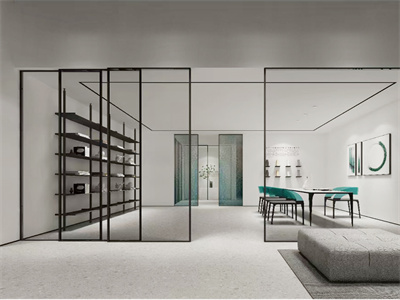
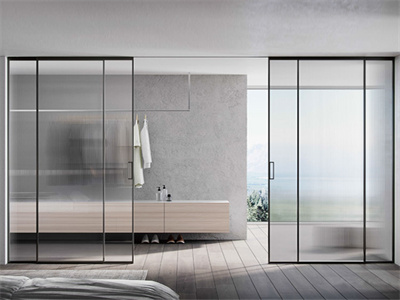
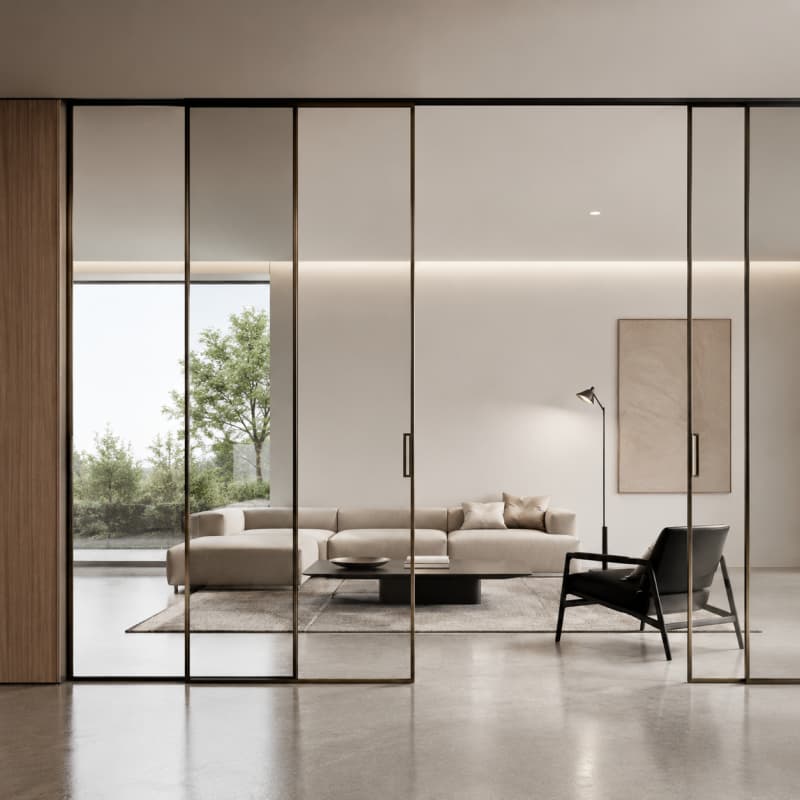
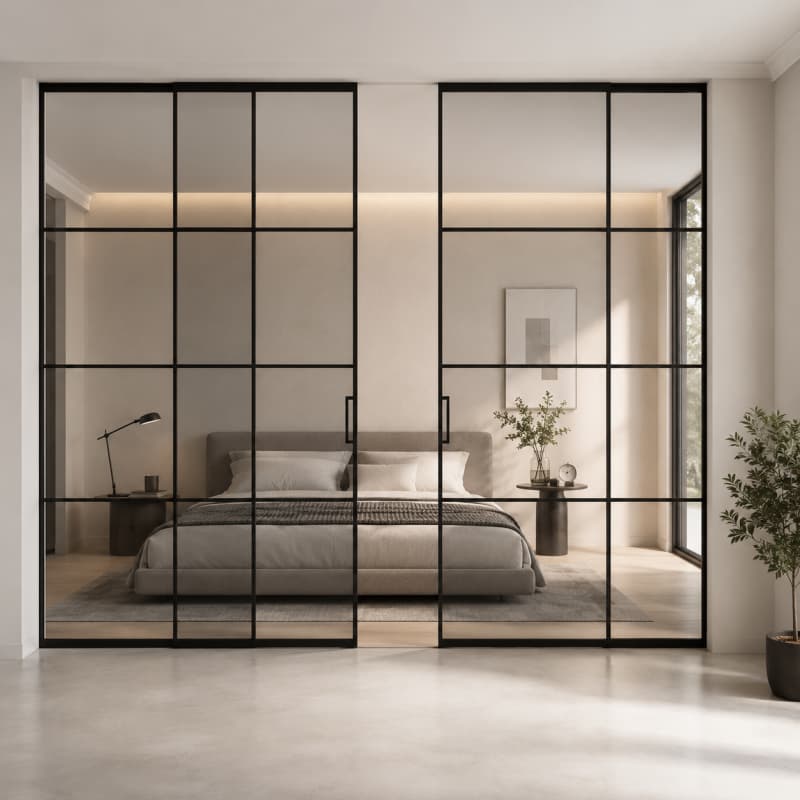
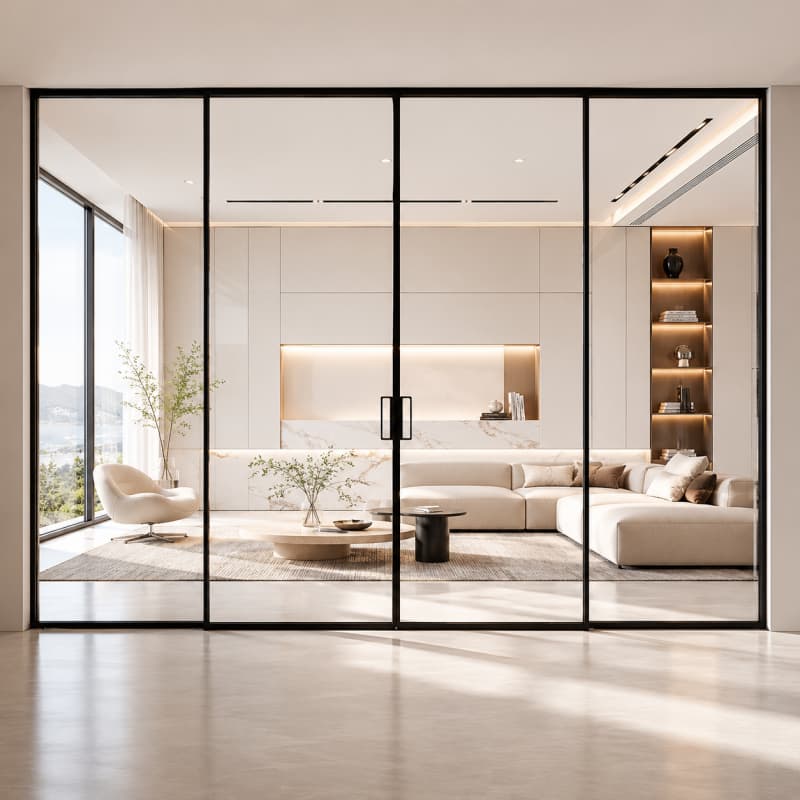
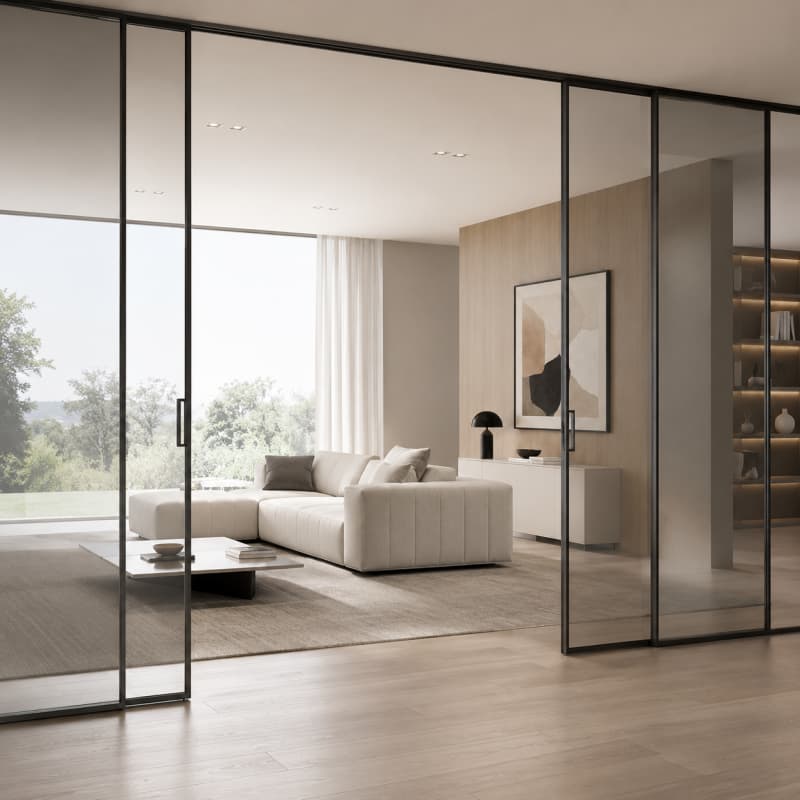
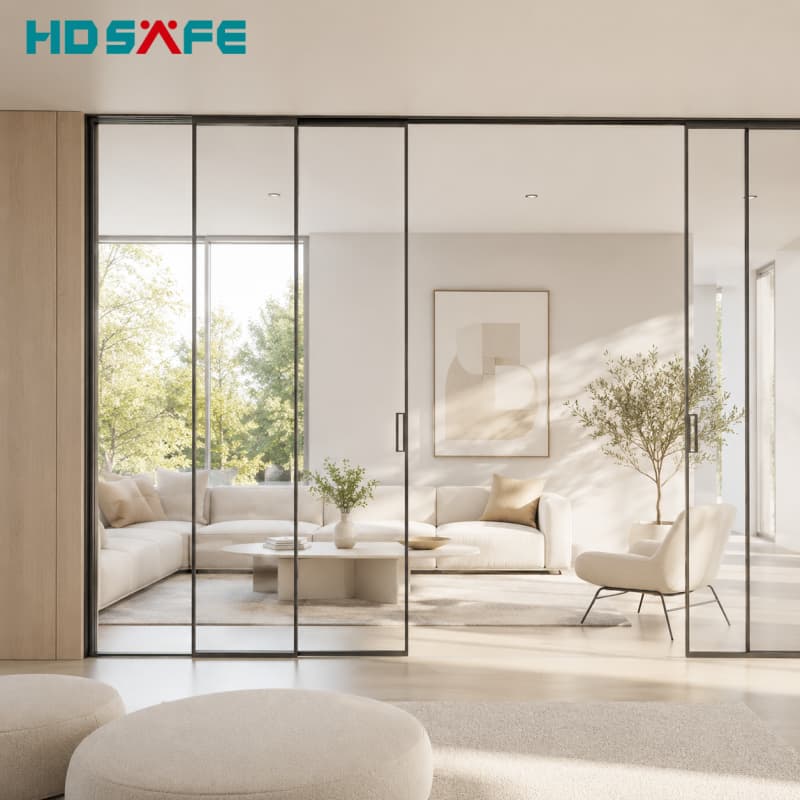
Inspired by modernist architecture, these doors feature slim aluminum frames (often black or white) and uninterrupted glass, creating a “wall of light.” Popular in living rooms or dining areas, they blur the line between indoors and out (or between adjacent rooms).
5.2 Industrial Chic with Bold Frames
Thick, matte-black aluminum frames (2–3 inches wide) evoke warehouse aesthetics, pairing well with exposed brick, concrete, or metal accents. Common in loft conversions or urban apartments.
5.3 Biophilic Integration
Designers combine sliding glass doors with indoor greenery—placing planters near doorways or using frosted glass to diffuse light onto living walls. This strengthens the connection to nature, a core principle of biophilic design.
5.4 Smart Home Compatibility
Motorized sliding glass doors (controlled via apps, voice assistants, or sensors) are gaining traction. They integrate with smart home systems to automate opening/closing based on time of day, temperature, or occupancy—ideal for hands-free convenience.
5.5 Customization for Unique Spaces
Manufacturers now offer curved, angled, or cornerless sliding doors to fit unconventional layouts. For example, a 90-degree corner door eliminates the need for a vertical post, creating a panoramic view between two rooms.
6. Installation and Maintenance Tips for Longevity
Proper installation and care ensure your sliding glass doorperforms flawlessly for decades:
6.1 Professional Installation
Hire certified installers to align tracks, level frames, and test operation. Misaligned tracks cause uneven wear, leading to sticking or jamming. Ensure the subfloor is flat—use shims if needed.
6.2 Regular Cleaning
-
Frames: Use a soft cloth and mild soap; avoid abrasive cleaners that scratch powder coatings.
-
Glass: Clean with a vinegar-water solution or commercial glass cleaner. For textured glass, use a soft brush to remove debris.
-
Tracks: Vacuum debris, then wipe with a damp cloth. Apply silicone lubricant (not oil) to rollers annually to maintain smoothness.
6.3 Inspect Seals and Hardware
Check gaskets for cracks annually; replace if worn to maintain insulation. Tighten loose screws on handles or locks. If rollers feel rough, contact the manufacturer for replacement (most offer lifetime warranties on hardware).
7. Conclusion: Aluminum Sliding Glass Doors—A Timeless Choice for Modern Living
Modern aluminum indoor sliding glass doorsrepresent the pinnacle of form meeting function. Their combination of strength, design flexibility, and energy efficiency makes them indispensable in contemporary interiors, whether you’re renovating a studio apartment or designing a luxury home. By leveraging advanced materials like thermal-break aluminum, high-performance glass, and precision hardware, these doors transcend mere utility to become transformative elements that enhance light, space, and style.
As design trends evolve, one thing remains constant: the sliding glass doorwill continue to redefine how we live, work, and connect within our spaces. For those seeking a blend of innovation and elegance, aluminum is the material that delivers.




 Home
Home Dec 08,2025
 Different Sliding Doors Types for Your Home – A Complete Guide to Styles, Materials, and Benefits (2025)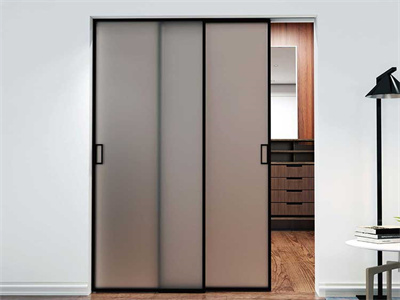
 Oct 20,2025