


 Home
Home May 29,2026
Folding & Bi-Fold Doors: Why They Continue to Gain Popularity in Modern Architecture
Walk into a newly built hotel, a luxury apartment, or a modern office building, and there is a good chance you will find folding or bi-fold doors somewhere in the design. Over the last decade, these systems have moved far beyond residential applications and become a common feature in commercial and hospitality projects around the world.
For architects and developers, the appeal is straightforward. Folding doors offer a practical way to create larger openings, improve natural light, and make spaces feel more connected without sacrificing flexibility.
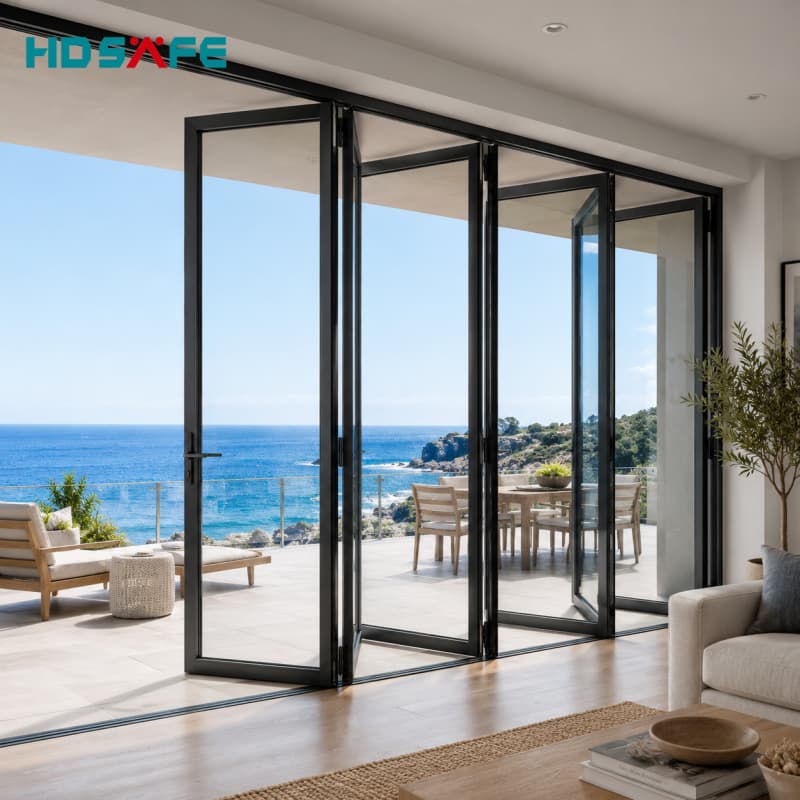
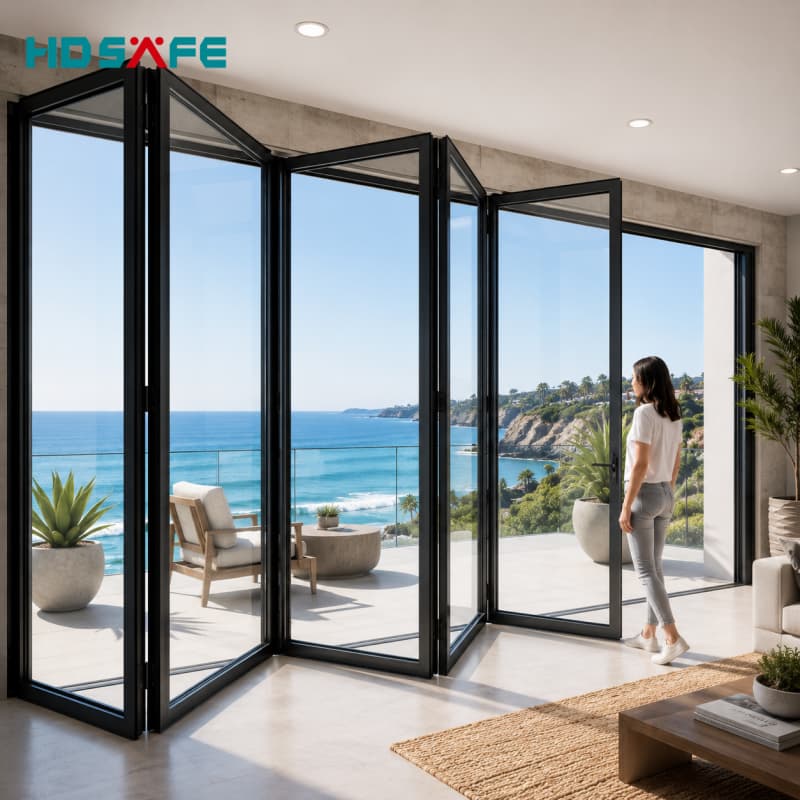
What Is the Difference Between Folding and Bi-Fold Doors?
In practice, the two terms are often used interchangeably.
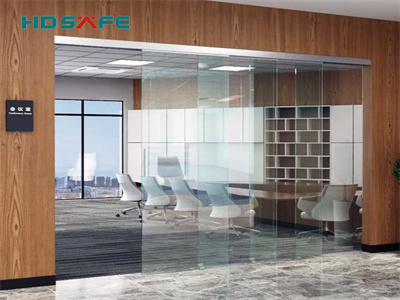
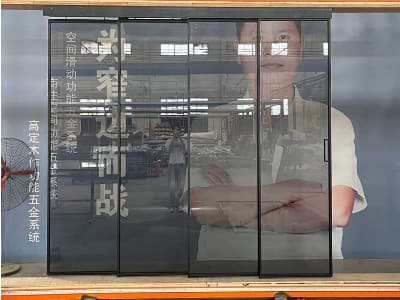
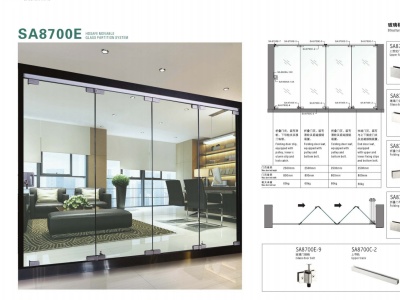
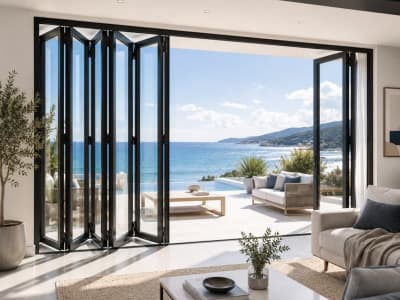
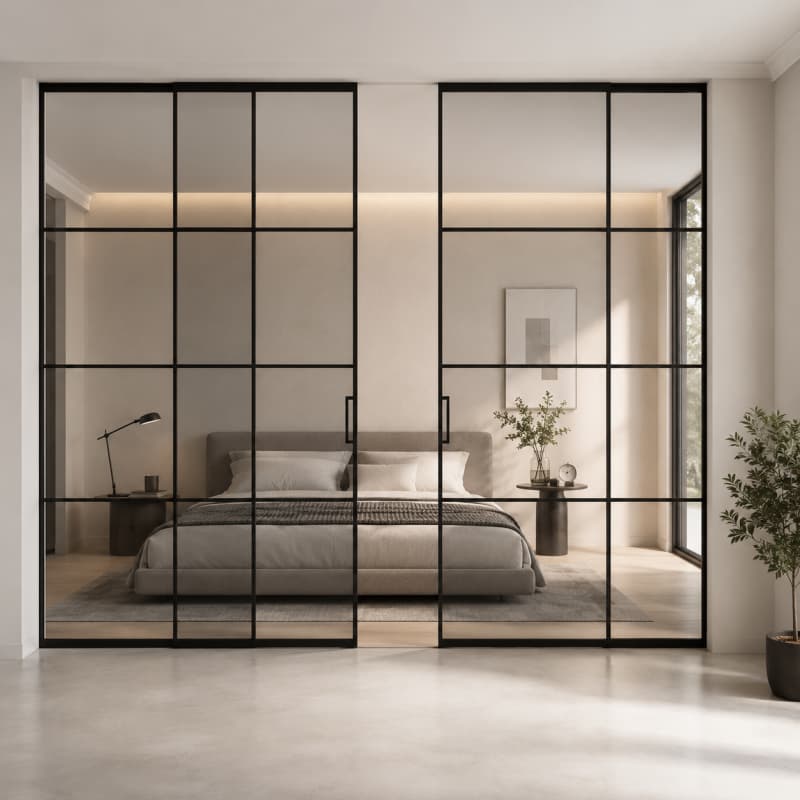
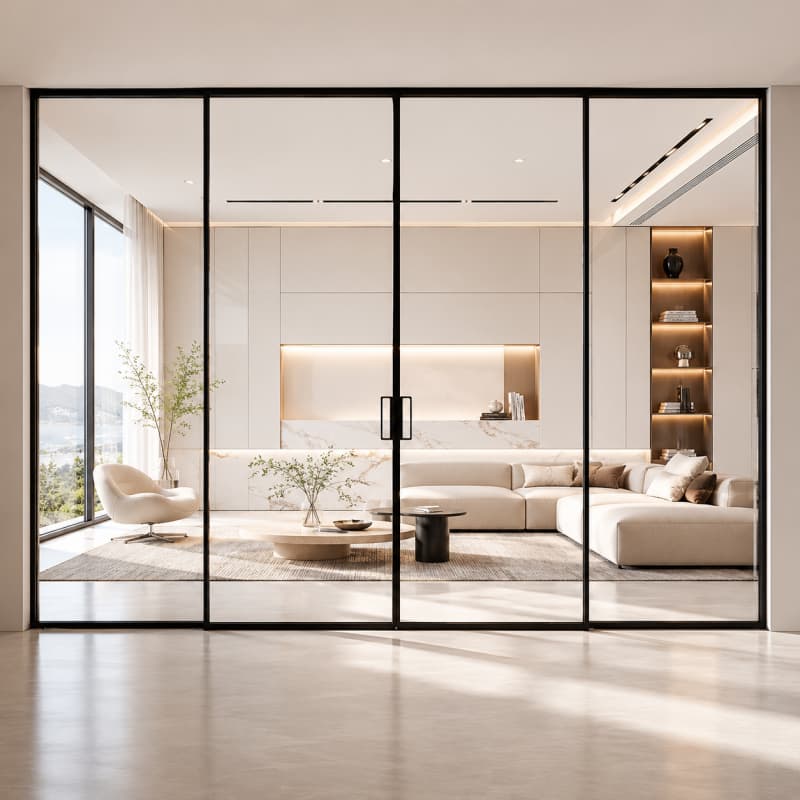
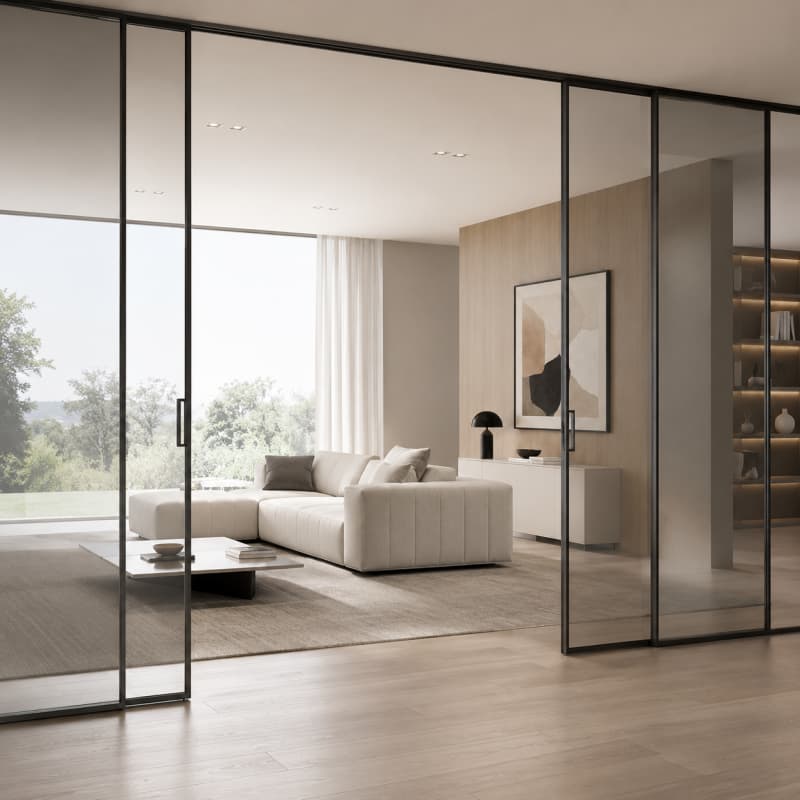
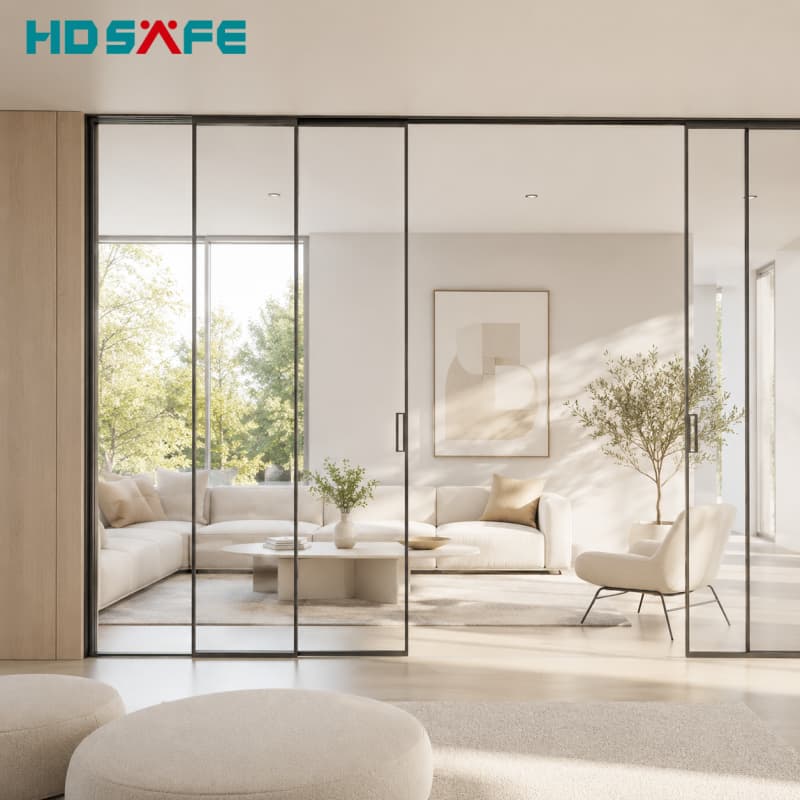
A bi-fold door typically consists of multiple glass panels connected by hinges. As the system opens, the panels fold and stack neatly to one side or both sides of the opening.
The result is a much wider clear opening than most traditional sliding door systems can provide.
For projects where maximizing usable space is important, this can make a significant difference.
Creating Better Connections Between Spaces
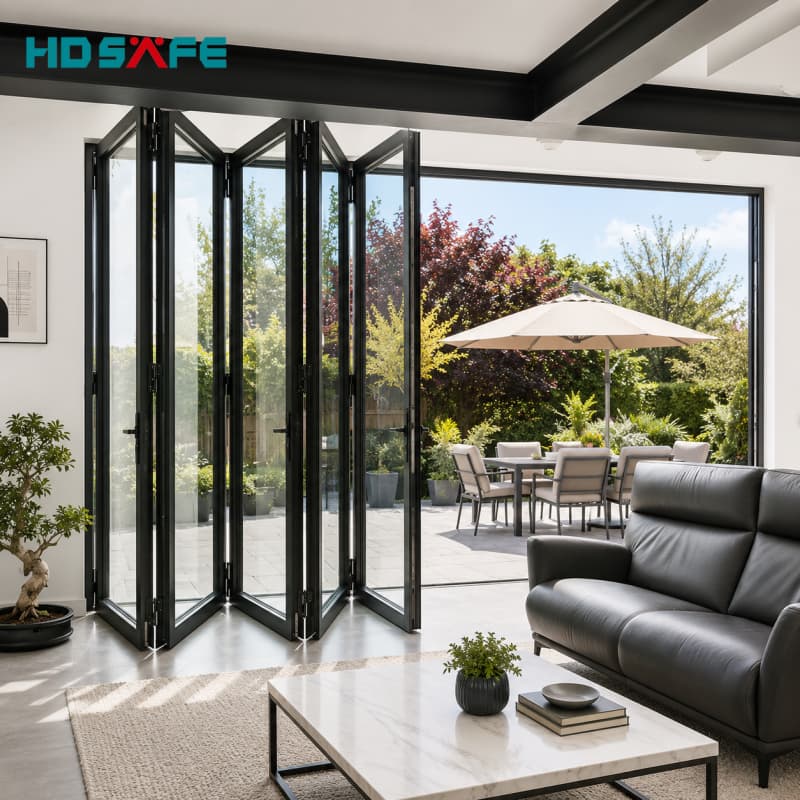
One of the main reasons architects choose folding door systems is their ability to remove the visual barrier between areas.
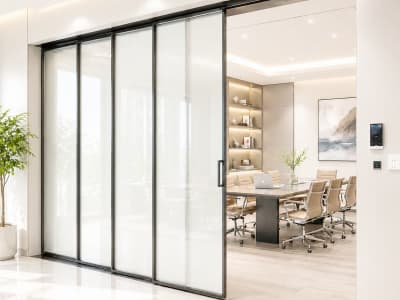
In hotels, folding doors are often used between guest rooms and balconies. In restaurants, they allow indoor dining areas to open directly onto terraces. In office environments, they create flexible meeting spaces that can be opened or divided as needed.
Rather than treating rooms as separate zones, folding doors help create a more continuous experience.
This design approach has become increasingly important as modern buildings focus on openness, daylight, and user comfort.
More Natural Light Without Compromising Functionality
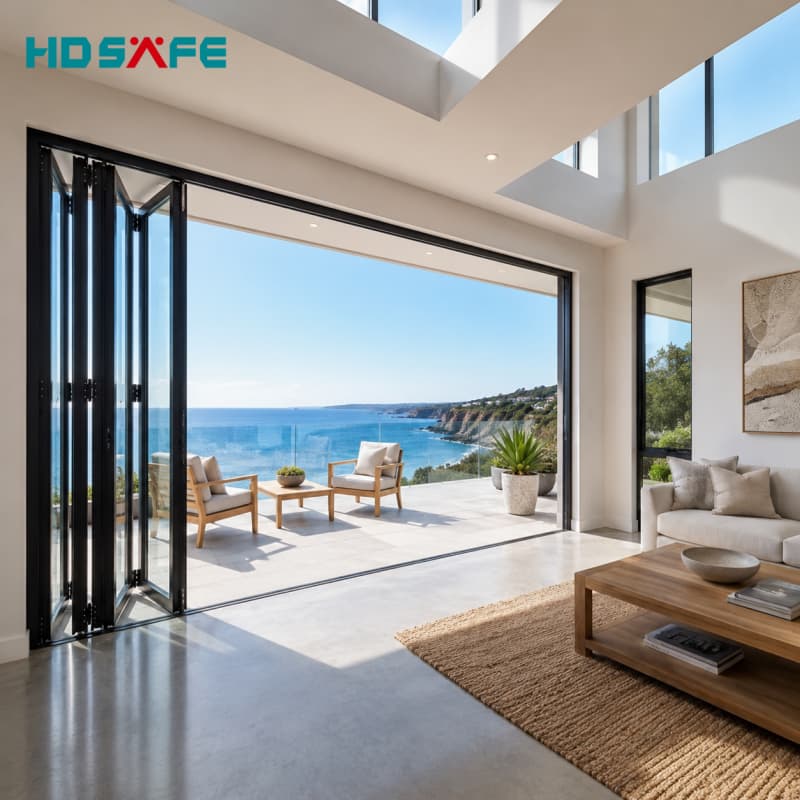
Glass remains one of the most effective materials for bringing daylight into a building.
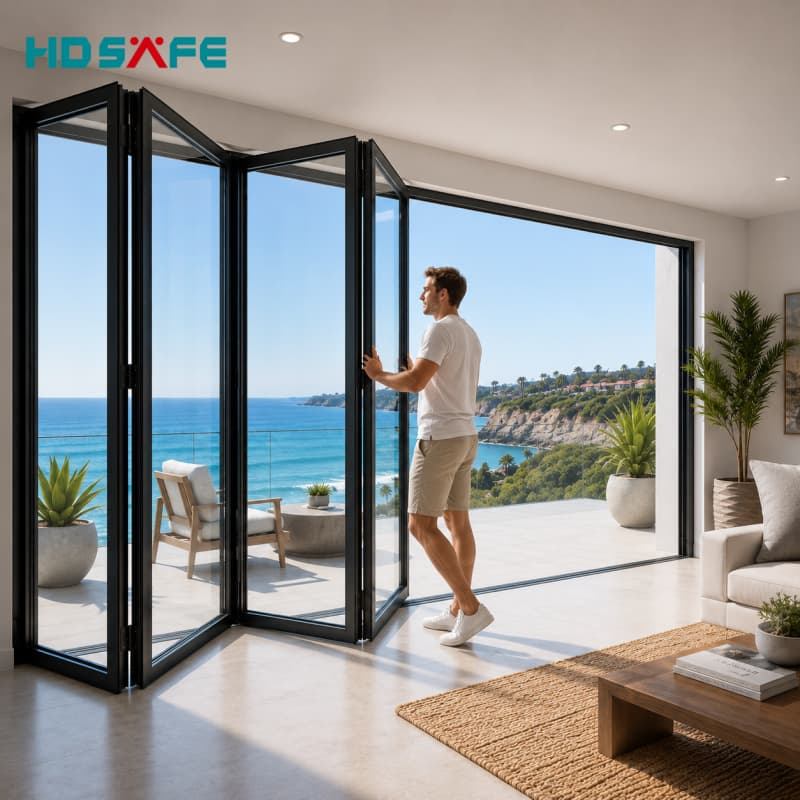
Because folding door systems use large glass panels and minimal framing, they allow significantly more light to enter interior spaces compared to many traditional wall and door arrangements.
For commercial buildings, this can improve the overall atmosphere while reducing reliance on artificial lighting during daytime hours.
For hospitality projects, natural light often contributes directly to guest satisfaction and perceived property value.
Why Aluminum Has Become the Preferred Choice
While folding doors can be manufactured from different materials, aluminum has become the industry standard for most architectural projects.
There are several reasons for this:
-
High structural strength
-
Excellent corrosion resistance
-
Minimal maintenance requirements
-
Long service life
-
Flexible design possibilities
-
Suitable for large glass panels
For coastal developments, hotels, and commercial buildings, aluminum systems generally provide the best balance between appearance and long-term durability.
Performance Matters More Than Appearance
Although folding doors are often selected for their visual impact, performance should never be overlooked.
Architects and project managers typically evaluate several key factors before specifying a system:
|
Performance Factor |
Importance |
|---|---|
|
Structural Strength |
Supports Large Panels |
|
Hardware Durability |
Long-Term Reliability |
|
Smooth Operation |
User Experience |
|
Weather Resistance |
Exterior Applications |
|
Acoustic Performance |
Hotels & Offices |
|
Security Features |
Commercial Projects |
|
Glass Safety Standards |
Building Compliance |
A well-designed folding door should continue operating smoothly after years of daily use.
This is why commercial projects often prioritize hardware quality and manufacturing precision over purely aesthetic considerations.
Popular Applications Across Different Industries
Today, folding door systems can be found in a wide range of building types.
Hospitality
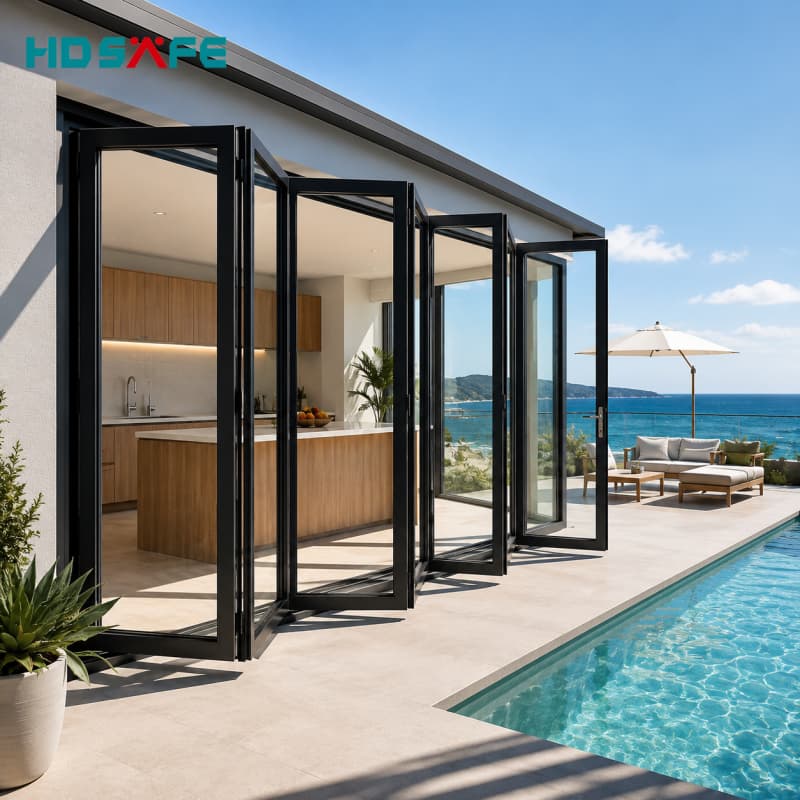
Hotels and resorts frequently use folding doors to connect indoor areas with outdoor lounges, pool decks, and private terraces.
Residential Developments
Luxury apartments and villas often incorporate bi-fold doors to maximize views and improve natural ventilation.
Commercial Buildings
Office spaces benefit from flexible layouts that can easily adapt to changing requirements.
Food & Beverage
Restaurants and cafés use folding doors to create a seamless transition between indoor and outdoor seating areas.
Retail Spaces
Stores increasingly use large opening systems to improve customer accessibility and visibility.
Customization Has Become a Requirement
No two projects are exactly alike.
As a result, developers increasingly look for manufacturers that can provide project-specific solutions rather than standard off-the-shelf products.
Common customization requirements include:
-
Custom dimensions
-
Multiple panel configurations
-
Different frame finishes
-
Specialized glass options
-
Custom hardware selections
-
Project-specific engineering support
For large commercial developments, flexibility during the design phase often becomes just as important as the final product itself.
Looking Beyond the Initial Cost
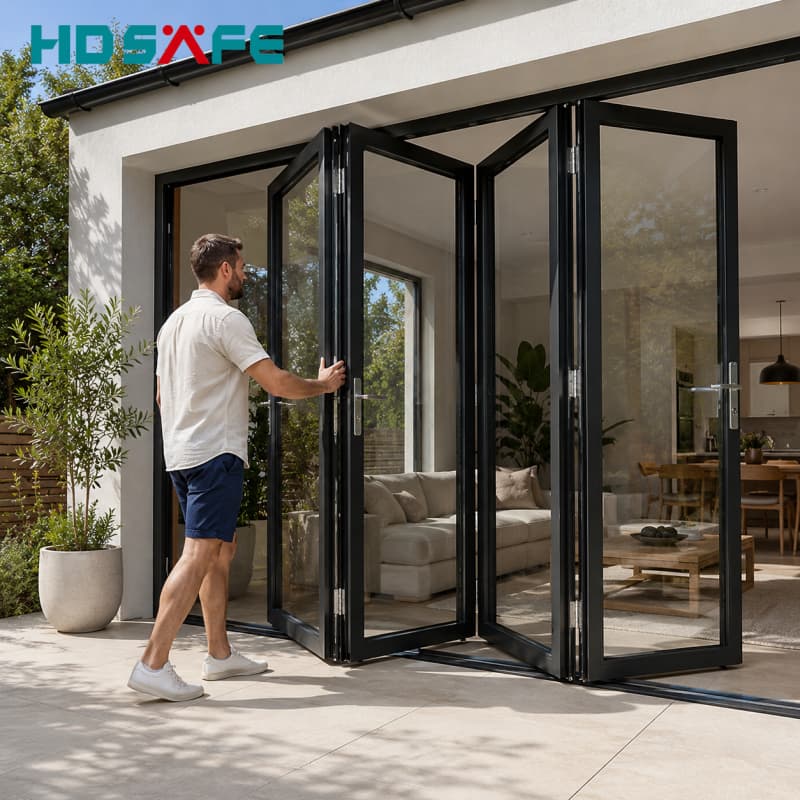
When evaluating folding door systems, focusing solely on the purchase price can be misleading.
The long-term value of a system is influenced by factors such as durability, maintenance requirements, hardware lifespan, and ease of operation.
A higher-quality system may require a larger initial investment, but often delivers lower lifecycle costs and fewer service issues over time.
For hotels, apartment developments, and commercial properties, these considerations can have a measurable impact on operating expenses throughout the life of the building.
The Future of Folding Door Systems
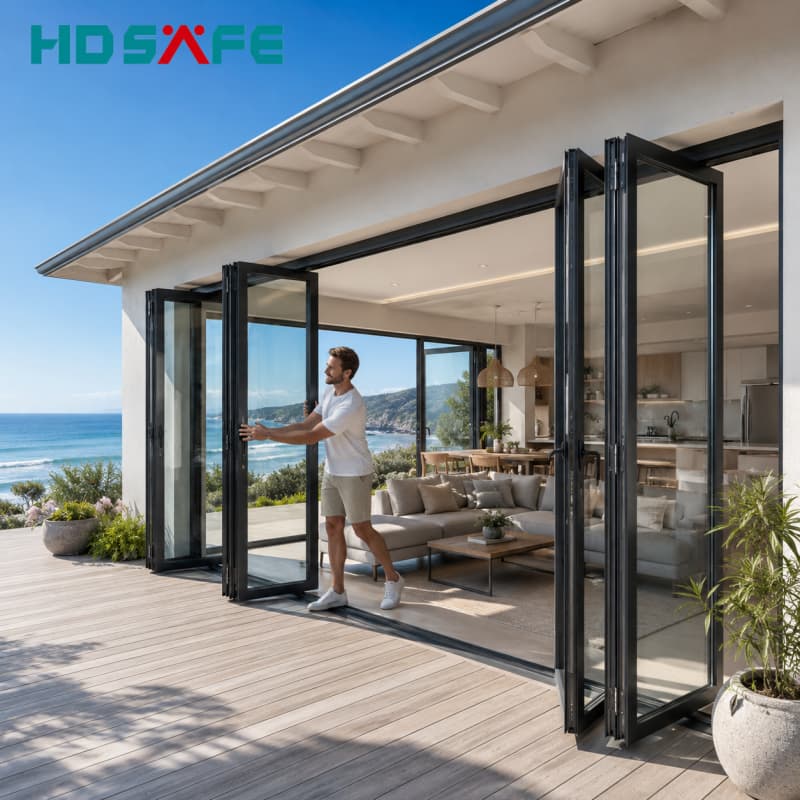
As architectural design continues to prioritize open layouts, flexible spaces, and stronger connections between indoor and outdoor environments, folding and bi-fold door systems are expected to play an even larger role in future projects.
Their combination of functionality, aesthetics, and adaptability makes them one of the most practical solutions available for modern construction.
For developers, architects, and contractors seeking to create brighter, more flexible, and more inviting spaces, folding doors remain a proven choice that continues to evolve alongside contemporary architecture.
 How to Choose the Right Folding & Bi-Fold Door for Your Project
 May 06,2026