


 Home
Home Dec 31,2025
The 10 Key Types of Interior Sliding Doors – A Complete Guide to Styles, Materials & Benefits for Your Home (2025)
Meta Description: Discover the 10 key types of interior sliding doors for your home. Learn about styles, materials, pros & cons, design ideas, and how to choose the best option for space, style, and budget. Boost your home’s functionality and aesthetics today.
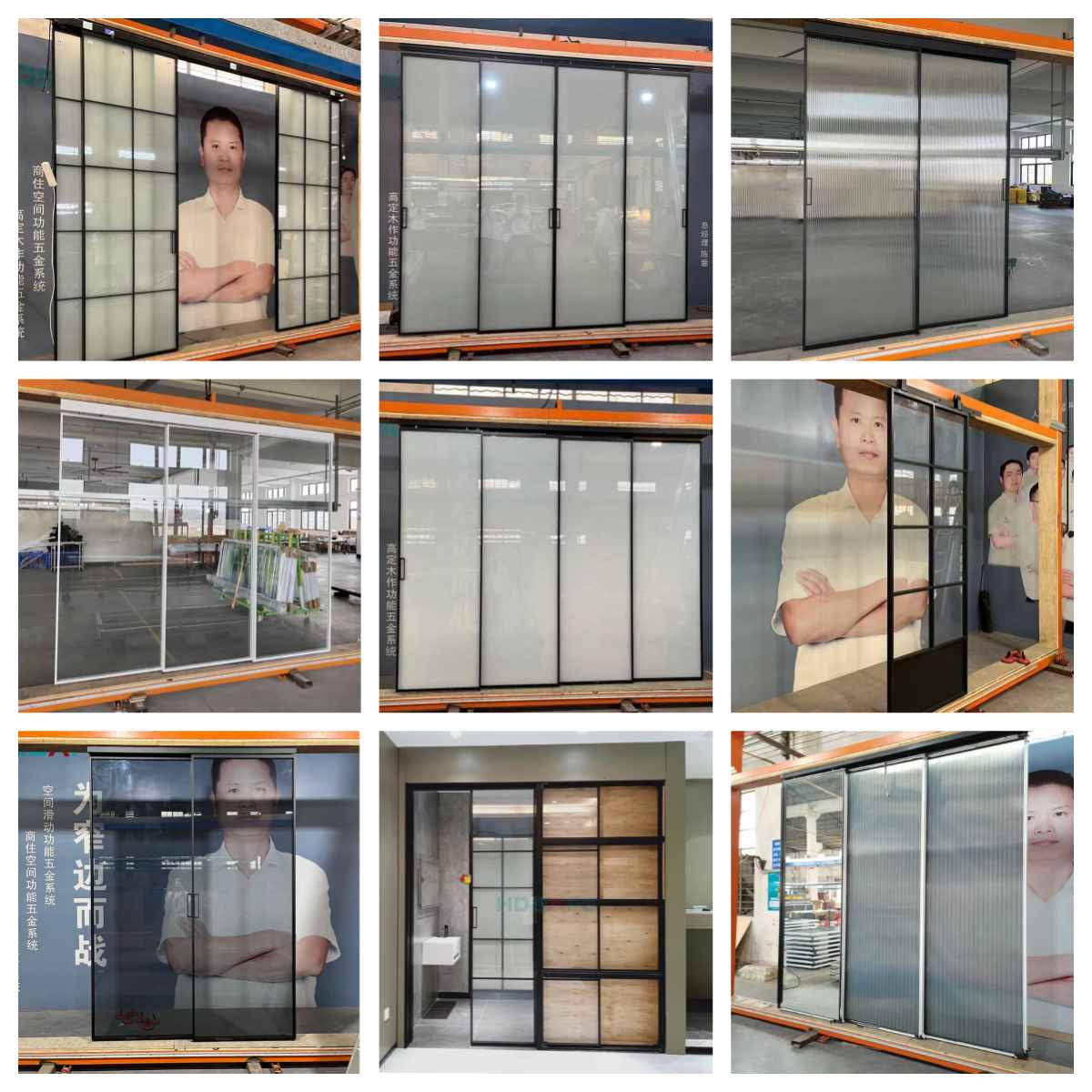
Introduction
Interior sliding doors have surged in popularity over the last decade, transforming how homeowners divide spaces, maximize light, and add personality to rooms. Unlike traditional hinged doors that swing open and consume valuable floor space, sliding doors glide smoothly along a track, offering practicality and elegance in equal measure.
In this comprehensive 5,000‑word guide, we’ll explore the 10 key types of interior sliding doors, breaking down their unique features, materials, design possibilities, and ideal uses. Whether you’re renovating a small apartment or designing a luxury home, this article will help you make an informed choice that blends form and function.
By the end, you’ll know:
-
The defining characteristics of each interior sliding door type
-
Materials and finishes available
-
Pros and cons for different lifestyles and spaces
-
Design trends and customization tips
-
How to match the right type to your home’s architecture
Let’s slide into the details.
Why Choose Interior Sliding Doors?
Before diving into types, it’s worth highlighting why interior sliding doors are a smart design choice:
-
Space Saving – No clearance needed for door swing, ideal for compact rooms.
-
Versatile Room Division – Create private zones without losing openness.
-
Natural Light Flow – Glass-panel options maintain brightness between spaces.
-
Aesthetic Appeal – Wide range of styles to suit modern, rustic, industrial, or traditional interiors.
-
Accessibility – Easier operation for all ages, including those with mobility challenges.
-
Value Addition – Thoughtful door choices can increase perceived and actual property value.
Now, let’s explore the 10 key types.
1. Barn Doors
Overview
Barn doors are perhaps the most iconic interior sliding door style, inspired by traditional farm structures. They hang from a single track mounted above the doorway and slide open to reveal or conceal a room.
Key Features
-
Mounted on surface-mounted rail and hangers
-
Thick wooden planks or panels with visible grain
-
Often fitted with black iron or brushed steel hardware for a rustic-industrial vibe
Materials
-
Solid hardwoods (oak, reclaimed pine, cedar)
-
Medium-density fiberboard (MDF) with veneer
-
Metal accents for hardware
Pros
-
Strong visual impact and character
-
No floor track — keeps flooring uninterrupted
-
Great for large openings and open-plan spaces
Cons
-
Requires wall space beside the opening for door clearance
-
Not fully sealed — less privacy and insulation than traditional doors
-
Surface-mounted hardware can be visually dominant
Best For
Living rooms, dining rooms, home offices, bedrooms in farmhouse, rustic, or industrial-style homes.
2. Pocket Doors
Overview
Pocket doors slide into a hidden wall cavity, disappearing completely when open. This creates a seamless, clutter-free look and maximizes usable floor space.
Key Features
-
Requires a hollow cavity within the wall during construction or renovation
-
Single or double door panels
-
Track and rollers concealed within the ceiling and wall
Materials
-
Solid wood, MDF, or composite panels
-
Glass inserts for a lighter feel
-
Metal or nylon rollers for silent operation
Pros
-
Completely clears the opening — no spatial restrictions
-
Clean, minimalist aesthetic
-
Ideal for tight spaces like bathrooms, en suites, and small bedrooms
Cons
-
Needs wall depth (usually 2–4 inches beyond door width)
-
More complex and costly to retrofit in existing walls
-
Difficult to install plumbing or electrical behind if cavity is repurposed
Best For
Bathrooms, closets, home theaters, dens, and any room where space optimization is crucial.
3. Bypass Sliding Doors
Overview
Also called sliding bypass doors, these run on parallel upper and lower tracks, overlapping each other as they slide. Commonly used for closets but also adapted for room dividers.
Key Features
-
Two or more panels glide past each other
-
Partial opening width due to overlap
-
Floor-mounted or recessed tracks
Materials
-
Mirrored panels (popular for wardrobes)
-
Frosted or clear tempered glass
-
Wood veneer, laminate, or painted MDF
Pros
-
Space-saving alternative to hinged closet doors
-
Easy to install in standard door openings
-
Customizable with mirrors or decorative finishes
Cons
-
Opening width reduced by overlap
-
Floor tracks can accumulate dirt and require frequent cleaning
-
Less privacy than solid doors if using glass
Best For
Bedroom closets, linen closets, laundry rooms, and lightweight room partitions.
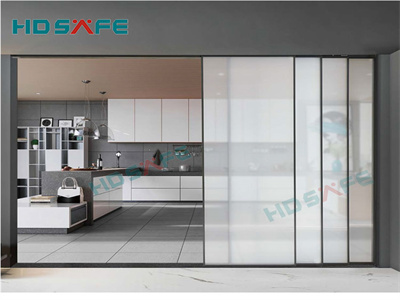
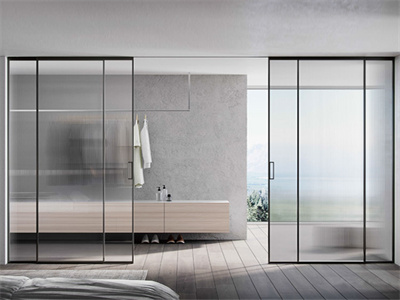
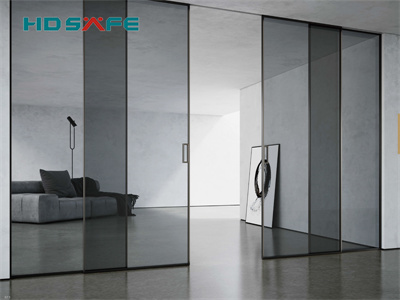
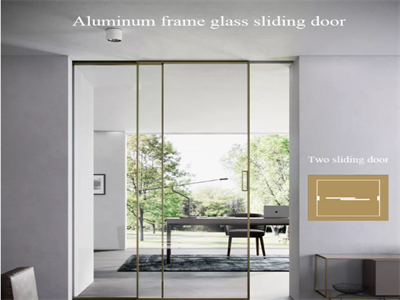
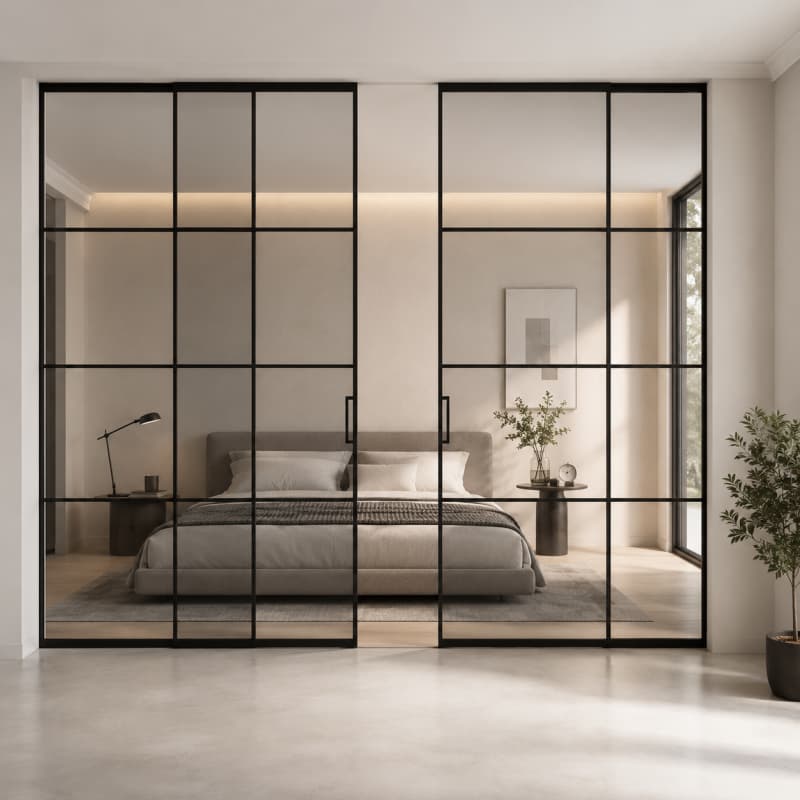
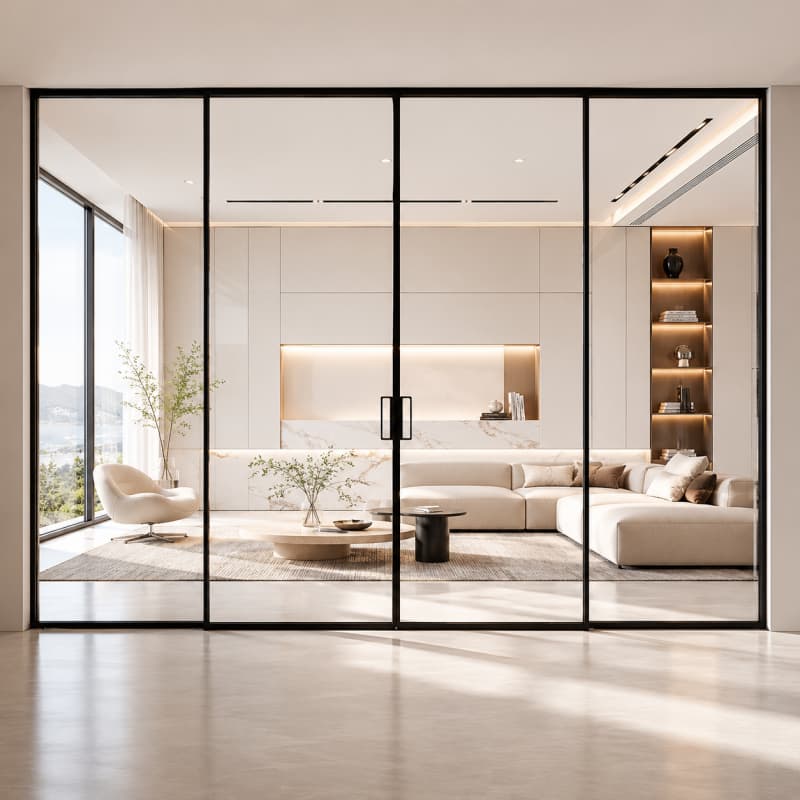
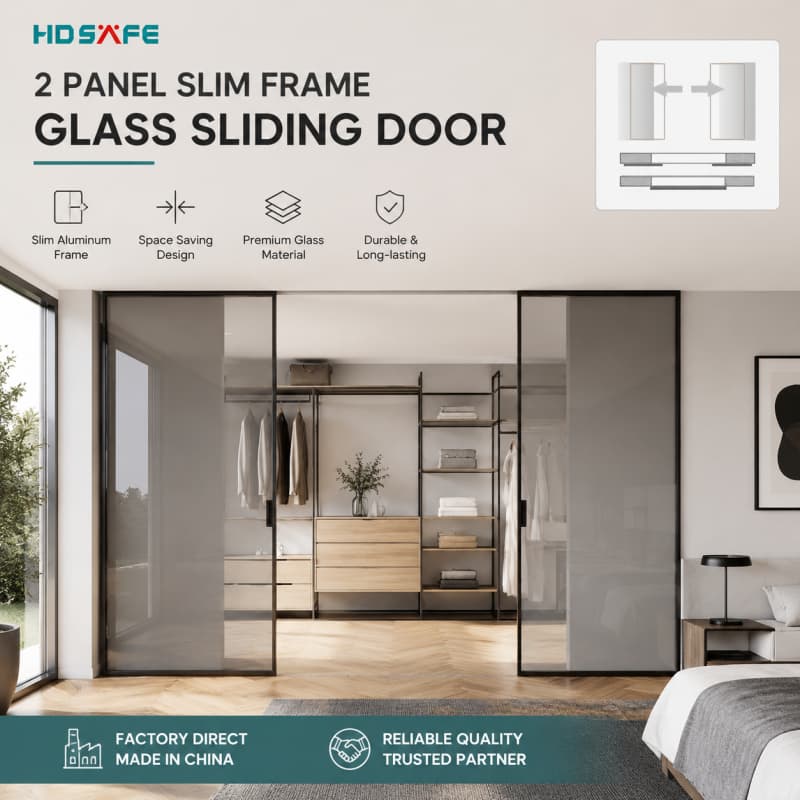
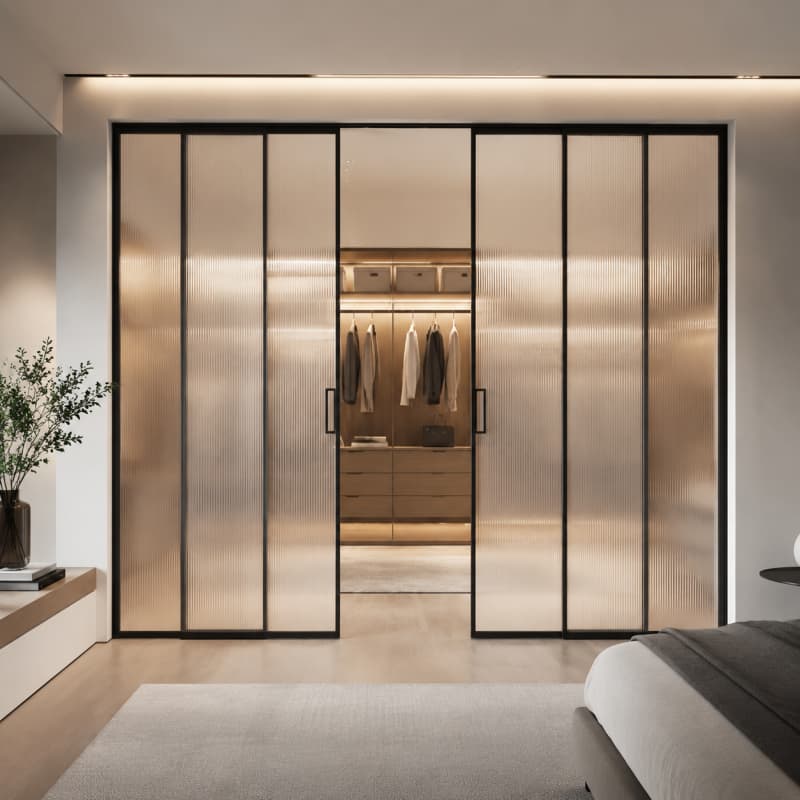
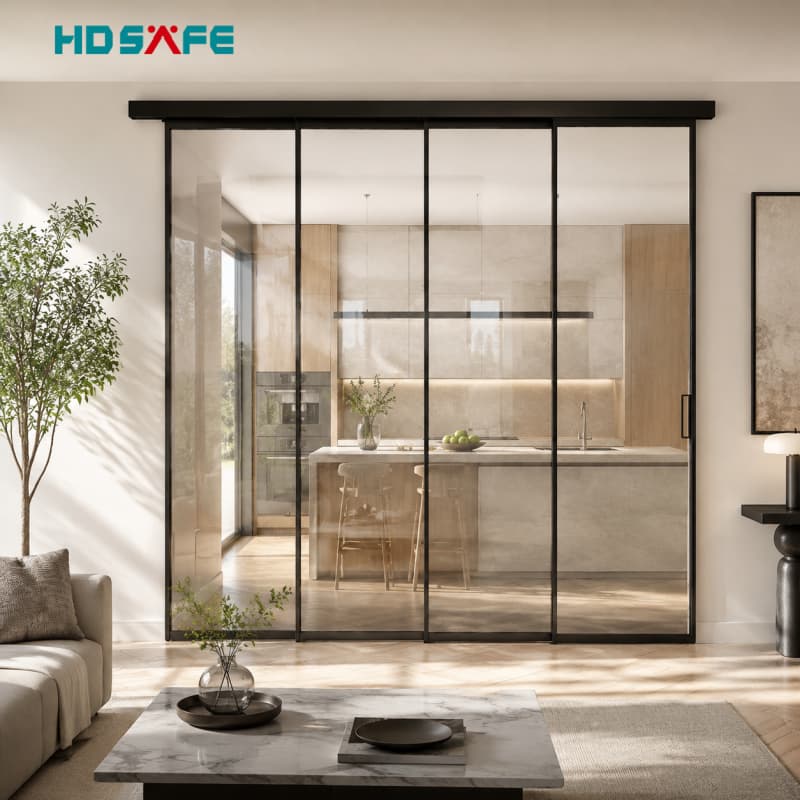
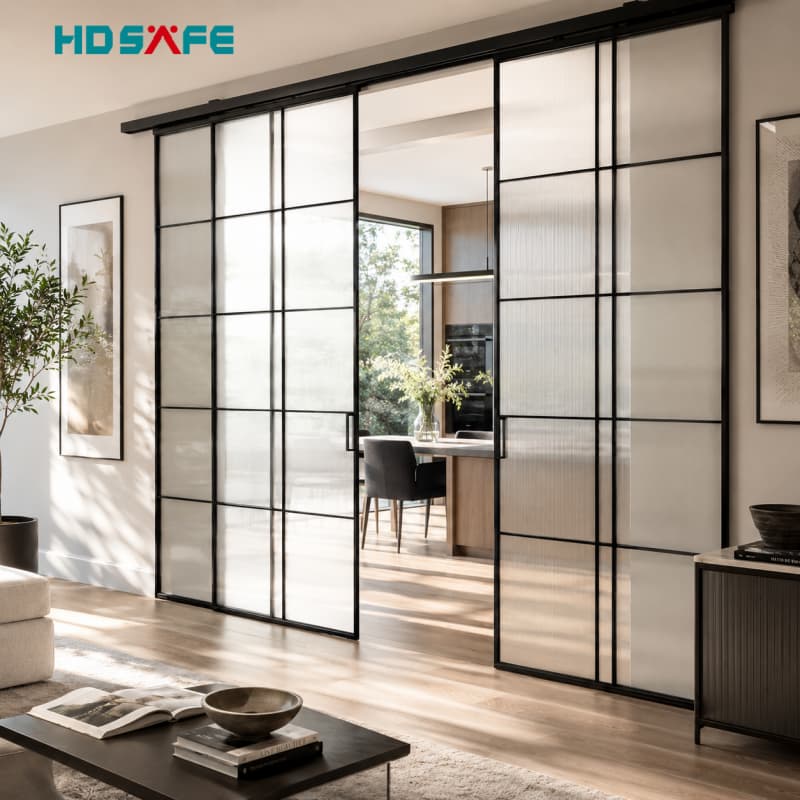
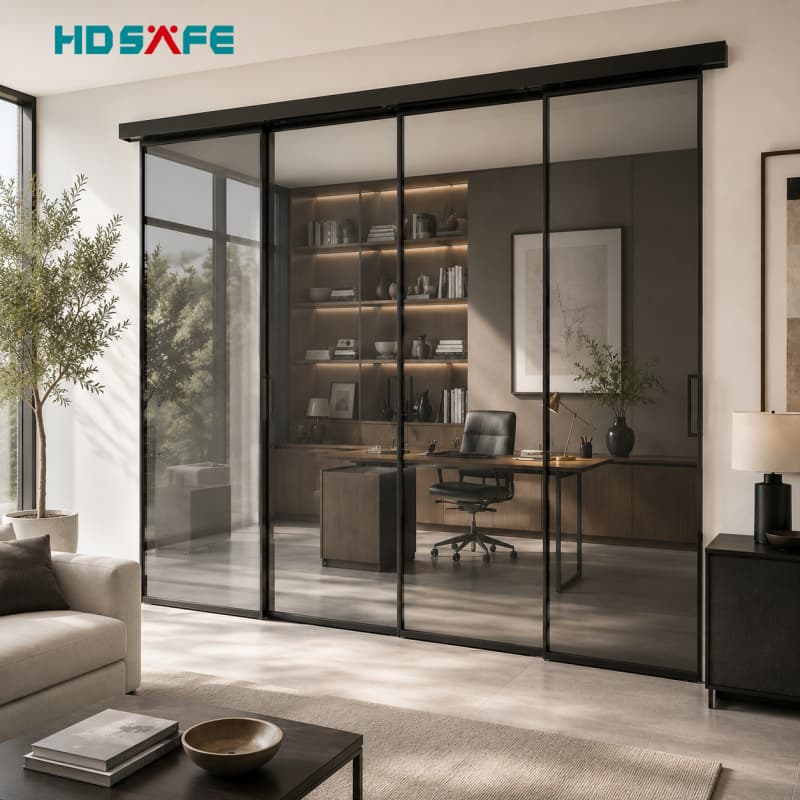
4. Glass Sliding Doors
Overview
Glass interior sliding doors use large glazed panels to maintain visual continuity and maximize light transfer between rooms. They can be framed or frameless.
Key Features
-
Tempered or laminated safety glass
-
Framed (aluminum, wood, vinyl) or frameless designs
-
Often paired with soft-close mechanisms
Materials
-
Clear, frosted, tinted, or textured glass
-
Aluminum frames (slim profiles, durable)
-
Wooden or composite frames for warmth
Pros
-
Brightens interior spaces
-
Creates illusion of larger rooms
-
Modern, sleek appearance
Cons
-
Offers little acoustic or thermal insulation
-
Requires frequent cleaning to maintain transparency
-
Privacy concerns unless frosted or tinted
Best For
Open-plan apartments, studios, offices, and areas where light sharing is desired.
5. Japanese Shoji Sliding Doors
Overview
Shoji doors originate from traditional Japanese architecture. They combine translucent paper or fabric panels with wooden frames, offering diffused light and serene aesthetics.
Key Features
-
Wooden lattice frame (often pine or cedar)
-
Washi paper or fabric panels
-
Sliding on a floor-mounted or recessed track
Materials
-
Natural woods for frames
-
Rice paper, linen, or synthetic fabric replacements for durability
-
Low-VOC adhesives for eco-friendly builds
Pros
-
Soft, ambient lighting effect
-
Calming, Zen-like atmosphere
-
Lightweight and easy to operate
Cons
-
Not suitable for high-moisture areas (paper can degrade)
-
Delicate — requires careful handling
-
Limited privacy unless layered with blinds or secondary glazing
Best For
Meditation rooms, tea rooms, studies, and minimalist or Asian-inspired interiors.
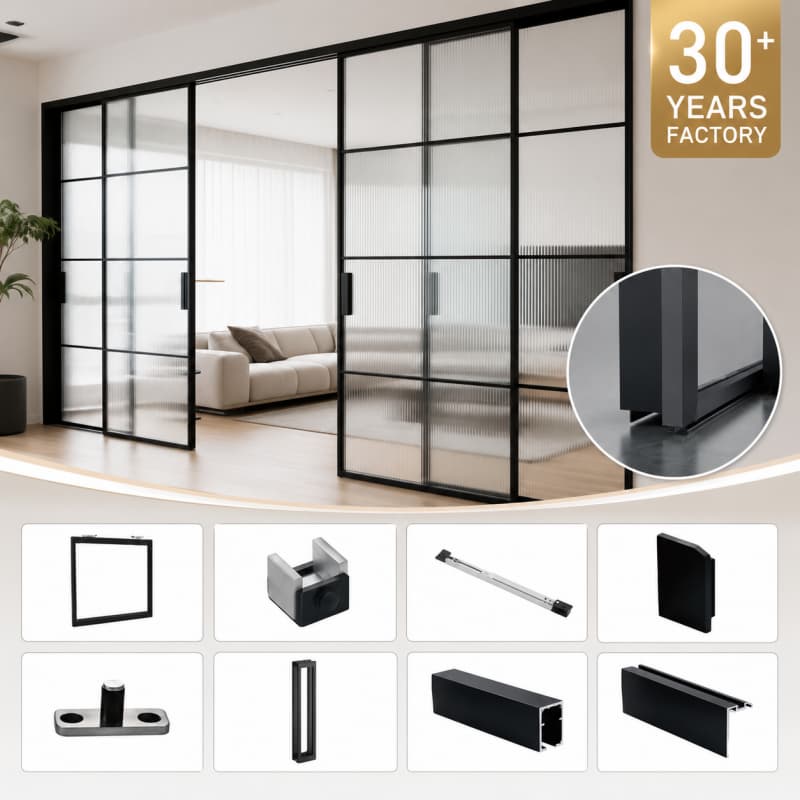
6. Industrial-Style Sliding Doors
Overview
Inspired by warehouses and loft conversions, industrial sliding doors emphasize raw materials such as metal and reclaimed wood. They often feature exposed hardware and bold proportions.
Key Features
-
Blackened steel or galvanized aluminum frames
-
Reclaimed timber panels or corrugated metal sheets
-
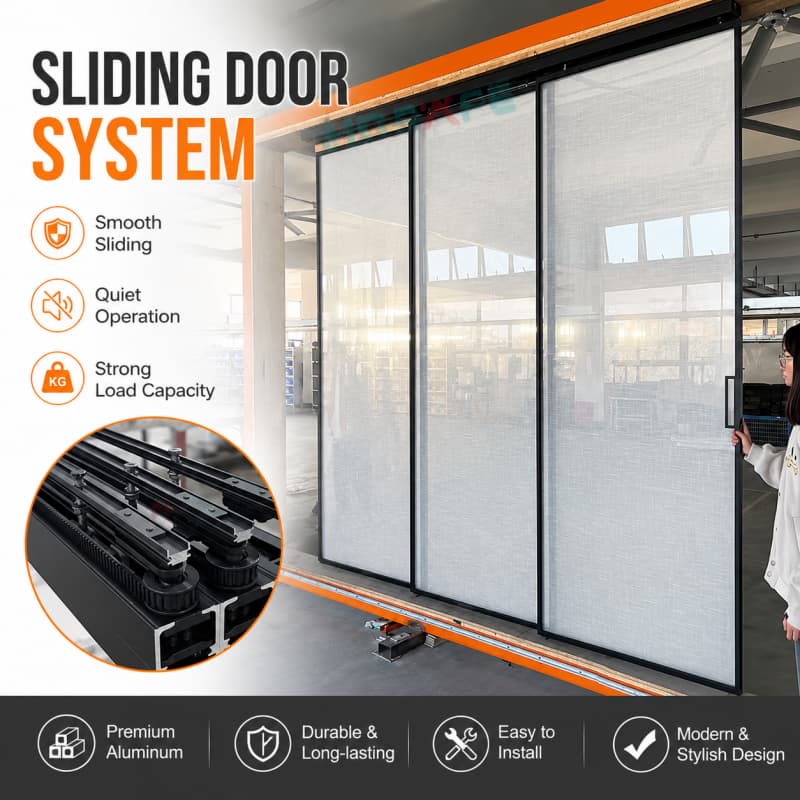
Heavy-duty roller systems
Materials
-
Steel, iron, aluminum
-
Distressed wood, plywood, or metal cladding
Pros
-
Rugged, edgy aesthetic
-
Highly durable and long-lasting
-
Makes a strong design statement
Cons
-
Heavy weight requires reinforced mounting
-
Can clash with delicate or traditional decor
-
Potentially higher cost due to specialized materials
Best For
Loft apartments, studios, creative workspaces, and industrial-themed homes.
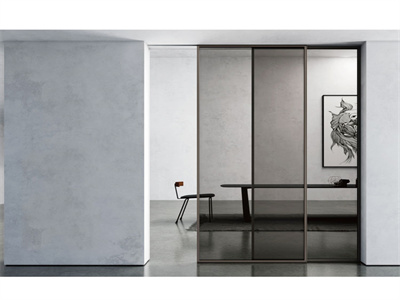
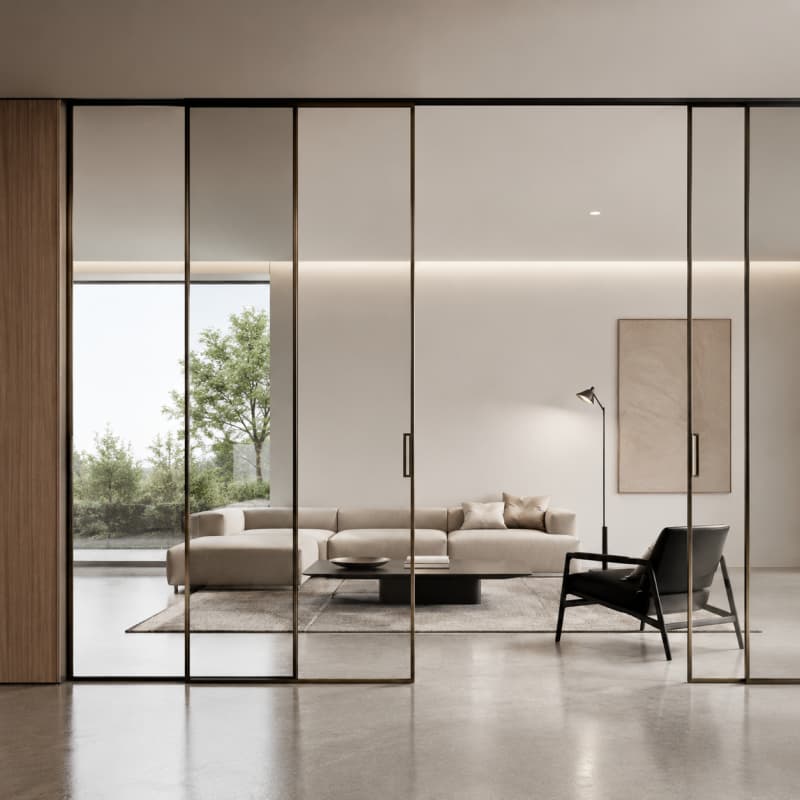
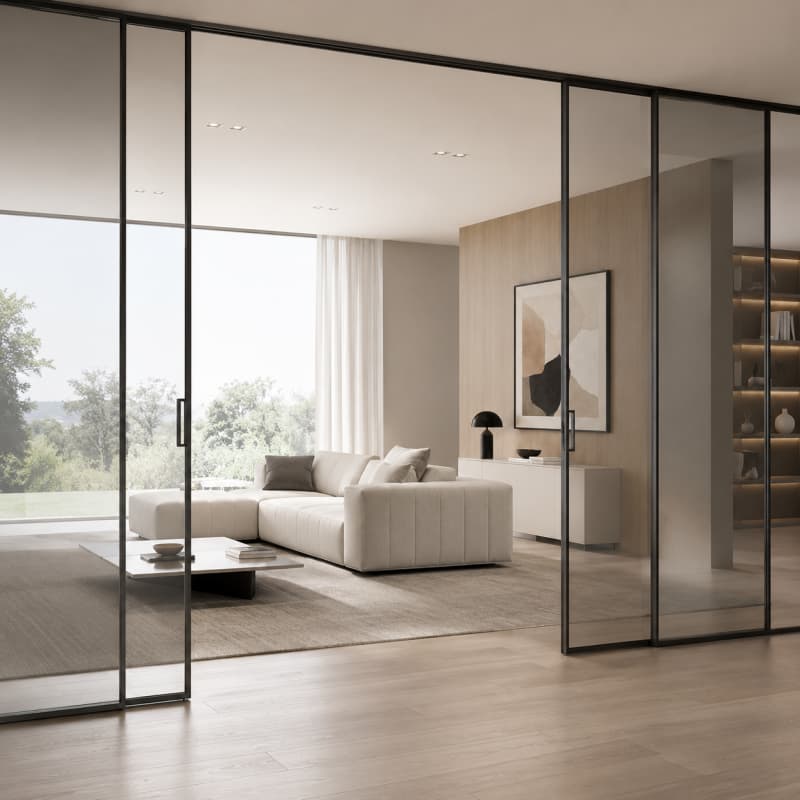
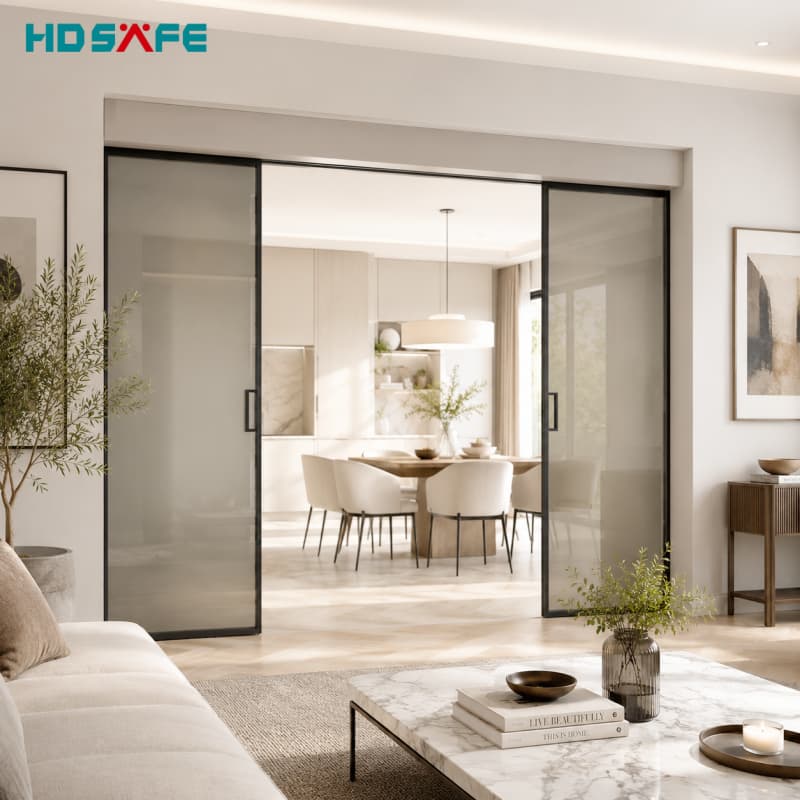
7. Modern Minimalist Sliding Doors
Overview
Modern minimalist sliding doors focus on clean lines, neutral palettes, and hidden hardware. They blend seamlessly into contemporary interiors.
Key Features
-
Ultra-slim frames or frameless designs
-
Concealed tracks and soft-close systems
-
Neutral colors (white, black, gray, natural wood tones)
Materials
-
Aluminum with thermal breaks
-
Engineered wood composites
-
Tempered glass
Pros
-
Sleek, uncluttered look
-
Enhances sense of space and light
-
Quiet, smooth operation
Cons
-
Custom fabrication may be required
-
Premium price point
-
Limited ornate detailing
Best For
Contemporary and Scandinavian-style homes, modern offices, and luxury condos.
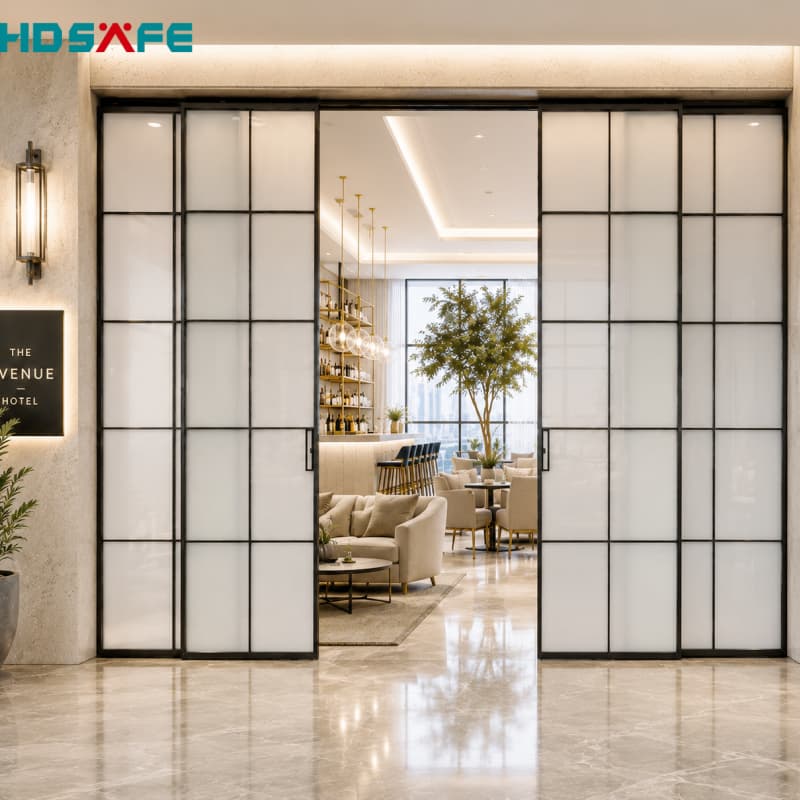
8. French Sliding Doors (Hybrid Style)
Overview
French sliding doors merge the elegance of French doors with the space-saving mechanics of sliding doors. They typically feature divided-light glass panels and graceful frames.
Key Features
-
Dual sliding panels or one fixed, one sliding
-
Grid patterns or clear glass
-
Wood or vinyl frames common
Materials
-
Solid or engineered wood
-
Vinyl-clad wood for durability
-
Double-glazed glass for insulation
Pros
-
Classic elegance with modern functionality
-
Allows partial opening for ventilation
-
Good balance of privacy and light
Cons
-
Larger frames may reduce glass area
-
More expensive than basic sliding doors
-
Heavier panels require robust hardware
Best For
Dining rooms, living rooms, and spaces where traditional charm meets modern needs.
9. Mirrored Sliding Doors
Overview
Mirrored sliding doors integrate full-length mirrors into the door panels, serving dual purposes of division and reflection.
Key Features
-
Full-surface mirror bonded to MDF or wood substrate
-
Sliding on bypass or pocket tracks
-
Often used in bedroom closets
Materials
-
Silver-backed safety glass mirrors
-
MDF backing for stability
-
Aluminum or wooden frames
Pros
-
Saves space by combining door and mirror functions
-
Enhances light and makes rooms appear larger
-
Practical for dressing rooms and bedrooms
Cons
-
Can show fingerprints and smudges easily
-
Fragile if impacted
-
Not ideal for humid environments unless treated
Best For
Bedroom closets, dressing areas, and gyms.
10. Accordion/Folding Sliding Doors (Interior Use)
Overview
While commonly used for large exterior openings, folding sliding doors (accordion-style) can also serve as striking interior partitions. Multiple panels fold together to one or both sides.
Key Features
-
Hinged panels connected in sequence
-
Folds accordion-style to stack neatly
-
Can span wide openings without center posts
Materials
-
Aluminum frames with thermal breaks
-
Tempered or laminated glass panels
-
Wood or composite panels for solid versions
Pros
-
Near-total opening when fully retracted
-
Flexible space configuration
-
Contemporary, architectural appeal
Cons
-
More complex track system
-
Higher cost and maintenance
-
Bulkier stack when folded
Best For
Studio apartments, conference rooms, and large open-plan homes needing adaptable divisions.
Materials Guide for Interior Sliding Doors
Choosing the right material affects durability, maintenance, and style:
|
Material |
Benefits |
Drawbacks |
Ideal Use |
|---|---|---|---|
|
Solid Wood |
Warm, natural beauty |
Prone to warping, needs sealing |
Traditional, barn doors |
|
MDF/Veneer |
Smooth finish, affordable |
Less durable than solid wood |
Painted or laminated doors |
|
Aluminum |
Slim, strong, low maintenance |
Thermal conductivity unless insulated |
Modern, glass doors |
|
Glass |
Maximizes light, modern look |
Poor insulation, fingerprints |
Glass sliding doors |
|
Metal (Steel/Iron) |
Industrial strength |
Heavy, can rust if untreated |
Industrial-style doors |
Design Tips for Choosing the Right Interior Sliding Door
-
Measure Precisely – Ensure wall cavity or track space is sufficient.
-
Match Existing Decor – Frame finish and panel style should harmonize with room aesthetics.
-
Consider Acoustics – Solid-core doors or double-glazed glass reduce noise.
-
Think About Privacy – Use frosted glass, solid panels, or layered fabrics where needed.
-
Evaluate Traffic Flow – High-use areas need durable hardware and smooth operation.
-
Lighting Effects – Glass and Shoji doors diffuse or reflect light creatively.
-
Budget Wisely – Balance initial cost with long-term maintenance and durability.
Installation & Maintenance
-
Installation: Professional fitting recommended for pocket doors and heavy glass or metal doors. Bypass and barn doors can sometimes be DIY projects.
-
Maintenance:
-
Clean tracks monthly to prevent jamming
-
Lubricate rollers and hinges yearly
-
Check and tighten hardware regularly
-
Refinish or repaint wooden doors as needed
-
Replace damaged glass or seals promptly
-
Trends in Interior Sliding Doors (2024)
-
Hidden Tracks – Flush or recessed tracks for ultra-clean looks
-
Smart Integration – Motorized sliding doors with remote/app control
-
Eco-Materials – Recycled wood, FSC-certified timber, low-VOC finishes
-
Mixed Media – Combining wood, metal, and glass in artistic ways
-
Bold Colors – Deep blues, forest greens, matte blacks for accent doors
Conclusion
From the timeless charm of barn doors to the futuristic appeal of minimalist glass sliders, the 10 key types of interior sliding doors offer endless possibilities for enhancing your home’s function and style. Each type brings distinct advantages, whether you prioritize space savings, light enhancement, privacy, or aesthetic drama.
When selecting your interior sliding door, consider your room layout, climate, design theme, and daily usage. With the right choice, you’ll achieve a harmonious balance of practicality and beauty, turning ordinary transitions into stunning design features.
Invest thoughtfully, and let your interior sliding doors slide your home into a smarter, more elegant future.
 Top Sliding Glass Door Materials: Which One Offers the Best Durability? (2025 Guide)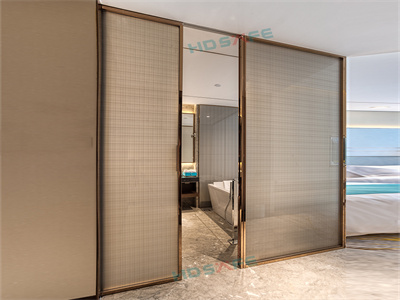
 Oct 10,2025