


 Home
Home Dec 31,2025
Top Sliding Glass Door Materials: Which One Offers the Best Durability? (2025 Guide)
Meta Description: Discover the top sliding glass door materials and find out which offers the best durability. Compare aluminum, wood, vinyl, fiberglass, and composite options for longevity, maintenance, and performance.
Introduction
Sliding glass doors are a beautiful and functional addition to any home, offering expansive views, abundant natural light, and seamless indoor-outdoor living. But their performance and lifespan heavily depend on the material of the frame. With so many options available — aluminum, wood, vinyl, fiberglass, and composite — how do you know which one offers the best durability for your climate, budget, and lifestyle?
In this guide, we’ll break down the top sliding glass door materials, comparing their strengths, weaknesses, and real-world durability so you can make an informed investment.
Why Material Choice Matters for Sliding Glass Doors
The frame material impacts:
-
Longevity – Resistance to rot, corrosion, warping, and fading.
-
Maintenance – Effort required to keep doors looking new.
-
Energy Efficiency – Insulation properties affecting heating and cooling costs.
-
Security – Strength to withstand forced entry attempts.
-
Aesthetics – Style compatibility with your home’s architecture.
If durability is your priority, focusing on material performance in your local climate is essential.
1. Aluminum Sliding Glass Doors
Durability Profile
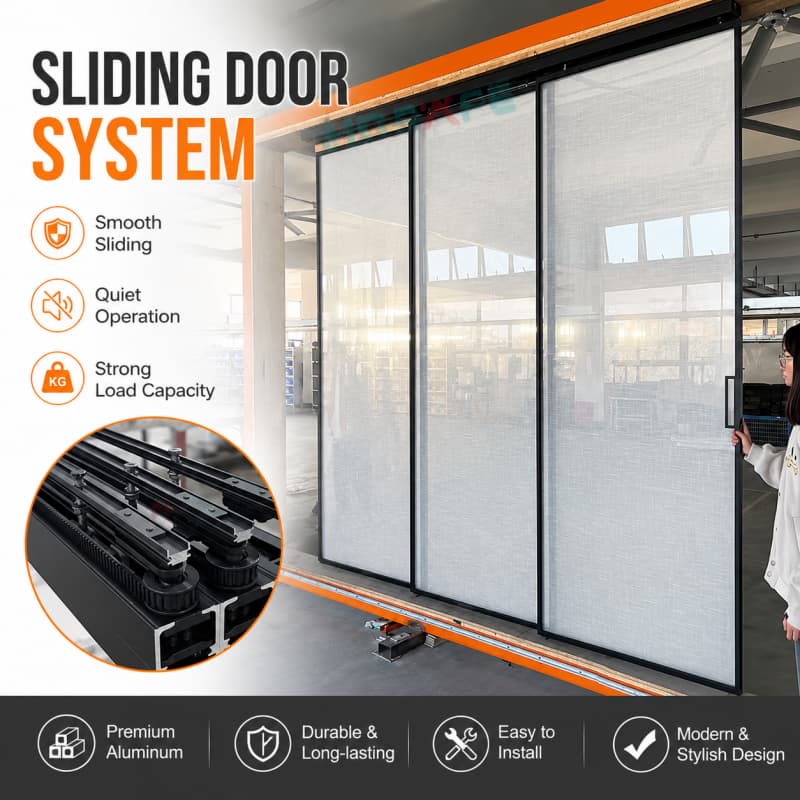
Aluminum is known for its strength and structural integrity. It won’t warp, rot, or corrode under normal conditions, and it’s resistant to pests.
Key Features
-
Naturally strong and slim profiles (allows larger glass panes)
-
Powder-coated or anodized finishes resist chipping and fading
-
Can be thermally broken (with insulating plastic strip inside the frame) to improve energy efficiency
Pros
✅ Extremely durable — lasts decades with minimal degradation
✅ Low maintenance — just occasional cleaning
✅ Resists moisture, termites, and weathering
✅ Ideal for large, heavy glass panels
Cons
❌ Conducts heat and cold unless thermally broken (lower energy efficiency in extreme climates)
❌ More expensive than vinyl
❌ Can feel less warm or traditional compared to wood
Best For
Coastal areas, modern homes, and large openings where strength and slim frames matter.
2. Wood Sliding Glass Doors
Durability Profile
Solid wood offers timeless beauty and decent durability but requires diligent maintenance to prevent deterioration.
Key Features
-
Natural insulator — excellent thermal performance
-
Can be stained or painted to match any décor
-
Often combined with aluminum or vinyl cladding for weather resistance
Pros
✅ Classic, warm aesthetic
✅ Superior insulation (non-thermally broken wood still beats non-broken aluminum)
✅ Can last generations with proper care
Cons
❌ Prone to warping, cracking, and rotting if exposed to moisture without cladding
❌ Requires regular sealing, painting, or staining
❌ Higher long-term maintenance effort
Best For
Traditional, craftsman, or historic-style homes in temperate climates with low humidity.
3. Vinyl (PVC) Sliding Glass Doors
Durability Profile
Vinyl is valued for affordability and resistance to moisture, but it’s less impact-resistant than aluminum or fiberglass.
Key Features
-
Multi-chambered hollow cores for insulation
-
Fusion-welded corners prevent water infiltration
-
Color molded throughout — no paint needed
Pros
✅ Excellent moisture and corrosion resistance
✅ Very low maintenance — resists peeling, fading, and chipping
✅ Affordable upfront cost
Cons
❌ Can warp or crack in extremely hot climates or under direct sun exposure
❌ Limited color/finish options compared to aluminum or wood
❌ Less structurally strong for very large glass panels
Best For
Budget-conscious homeowners in moderate climates; ideal for standard-sized patio doors.
4. Fiberglass Sliding Glass Doors
Durability Profile
Fiberglass is among the most durable materials, with high resistance to expansion, contraction, and environmental stress.
Key Features
-
Made from glass fibers and resin — incredibly strong yet lightweight
-
Can mimic the look of wood grain without the maintenance
-
Excellent thermal performance due to low conductivity
Pros
✅ Exceptional durability — resists warping, rotting, and corrosion
✅ Performs well in extreme temperatures (hot or cold)
✅ Low maintenance — can be painted or factory finished
✅ Strong enough for large glass sizes
Cons
❌ Higher initial cost than vinyl and some wood options
❌ Fewer style variations compared to aluminum
❌ Professional installation recommended due to weight
Best For
Harsh climates (very hot, cold, or coastal), luxury homes, and anyone prioritizing longevity with minimal upkeep.
5. Composite Sliding Glass Doors
Durability Profile
Composite doors blend materials (often wood fibers + polymers or aluminum + wood) to optimize durability and insulation.
Key Features
-
Resists rot, decay, and insects like vinyl or aluminum
-
Can offer wood-like aesthetics with better moisture resistance
-
Some designs include thermal breaks for improved efficiency
Pros
✅ Strong and stable — less prone to warping than pure wood
✅ Good insulation properties
✅ Low maintenance with wood-like appearance
Cons
❌ Costlier than vinyl; comparable to fiberglass
❌ Performance varies by brand and exact composite mix
❌ May not match the strength of high-grade aluminum or fiberglass for huge openings
Best For
Homeowners wanting wood aesthetics without the maintenance, especially in mixed-humidity climates.
Durability Comparison Table
|
Material |
Lifespan (Years) |
Moisture Resistance |
Warping Risk |
Maintenance Level |
Thermal Efficiency |
Cost Range |
|---|---|---|---|---|---|---|
|
Aluminum |
30–45+ |
Excellent (if coated) |
None |
Low |
Moderate (better if thermally broken) |
$$$ |
|
Wood |
20–40+ (with care) |
Poor (unless clad) |
High |
High |
High |
$$$–$$$$ |
|
Vinyl |
20–30 |
Excellent |
Moderate |
Very Low |
Good |
$–$$ |
|
Fiberglass |
40–50+ |
Excellent |
None |
Very Low |
Excellent |
$$$$ |
|
Composite |
30–40 |
Excellent |
Low |
Low–Moderate |
Good–Excellent |
$$$–$$$$ |
($$ = budget, $$$ = mid-range, $$$$ = premium)
Which Material Offers the Best Durability?
If pure durability is the deciding factor:
-
Fiberglass ranks #1 for overall resilience — it handles temperature swings, moisture, and mechanical stress without significant wear. It also offers great insulation.
-
Aluminum comes close, especially thermally broken versions, excelling in strength and corrosion resistance but lagging slightly in thermal efficiency.
-
Composite is a strong contender, giving wood aesthetics with better durability, but quality varies.
-
Vinyl is durable for its price but can degrade in intense sun or cold.
-
Wood is durable only with consistent maintenance and cladding.
Winner for Durability: Fiberglass (closely followed by thermally broken aluminum).
Factors Beyond Material That Affect Durability
-
Glass Type – Tempered or laminated safety glass enhances breakage resistance.
-
Hardware Quality – Stainless steel rollers, locks, and tracks prevent mechanical failure.
-
Installation – Poor fitting leads to air/water leaks and operational issues.
-
Maintenance – Regular cleaning and lubrication extend lifespan regardless of material.
-
Climate – Coastal salt air, desert UV, or freezing winters test materials differently.
Tips for Maximizing Sliding Glass Door Durability
-
Choose thermally broken frames in aluminum for better insulation and condensation control.
-
Opt for powder-coated finishes for fade and scratch resistance.
-
Install high-quality weatherstripping to protect against moisture ingress.
-
Schedule annual inspections of tracks, rollers, and seals.
-
Clean glass and frames regularly to prevent buildup that can cause damage.
Conclusion
When weighing top sliding glass door materials for durability, fiberglass stands out as the leader, offering exceptional strength, weather resistance, and energy efficiency. Aluminum (especially thermally broken) is a close second, providing robust performance with sleek modern appeal. Composite and vinyl offer good durability for the price, while wood remains a beautiful but high-maintenance option.
Your final choice should align with your climate, budget, and design preferences — but if longevity and minimal upkeep are paramount, investing in fiberglass or premium thermally broken aluminum will pay off in decades of reliable service.
 Advantages and Applications of Sliding Doors – A Complete Guide for Modern Homes and Commercial Spaces
 Oct 20,2025