


 Home
Home Dec 31,2025
Title: Advantages and Applications of Sliding Doors – A Complete Guide for Modern Homes and Commercial Spaces
Meta Description: Discover the key advantages and diverse applications of sliding doors in residential and commercial settings. Learn how they save space, boost aesthetics, improve energy efficiency, and fit various design needs.
Introduction
Sliding doors have evolved from simple functional barriers to pivotal design elements in contemporary architecture. Their ability to merge indoor and outdoor spaces, save room, and enhance natural light has made them a favorite among homeowners, architects, and designers alike.
In this guide, we’ll explore the advantages and applications of sliding doors, showing why they’re more than just a trend — they’re a versatile solution for modern living and working environments.
1. What Are Sliding Doors?
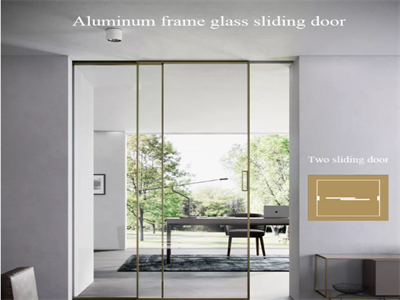
Sliding doors operate by moving horizontally along a track rather than swinging open on hinges. They can be made from various materials (aluminum, wood, vinyl, fiberglass, glass) and come in numerous styles, including:
-
Standard sliding doors
-
Patio sliding doors
-
Pocket sliding doors
-
Bypass doors
-
Bi-fold doors (folding sliding doors)
-
Lift-and-slide doors
-
Multi-track sliding systems
Their flexibility in size, material, and operation makes them suitable for countless uses.
2. Key Advantages of Sliding Doors
2.1 Space-Saving Design
The most celebrated benefit of sliding doors is their space efficiency. Since they don’t require clearance for swinging, they’re perfect for:
-
Small rooms
-
Tight hallways
-
Areas with furniture close to the doorway
This makes them ideal for apartments, tiny homes, and compact offices.
2.2 Enhanced Natural Light
Large glass panels in sliding doors allow maximum daylight penetration, brightening interiors naturally. Benefits include:
-
Reduced need for artificial lighting
-
Improved mood and productivity
-
Highlighting interior design features
2.3 Seamless Indoor-Outdoor Connection
Sliding doors create wide openings that blur the boundary between indoors and outdoors, encouraging:
-
Easy access to patios, decks, gardens, and balconies
-
Better ventilation and airflow
-
Expanded living space for entertaining
2.4 Versatile Aesthetic Appeal
Available in styles ranging from rustic barn doors to sleek minimalist glass panels, sliding doors can:
-
Match any architectural style (modern, traditional, industrial, coastal)
-
Serve as focal points or subtle transitions
-
Add character through materials, finishes, and hardware
2.5 Improved Ventilation and Airflow
Because sliding doors can cover large openings, they facilitate cross-ventilation, improving indoor air quality and reducing reliance on HVAC systems.
2.6 Energy Efficiency Potential
When equipped with double or triple glazing, low-emissivity coatings, and thermal breaks, sliding doors:
-
Minimize heat loss in winter and heat gain in summer
-
Lower energy bills
-
Contribute to green building certifications (LEED, ENERGY STAR)
2.7 Accessibility and Ease of Use
Sliding doors are easier to operate for:
-
Children, elderly individuals, and people with mobility challenges
-
Spaces requiring frequent access (e.g., busy kitchens, commercial passages)
2.8 Security Features
Modern sliding doors come with advanced locking systems:
-
Multi-point locks
-
Anti-lift devices
-
Impact-resistant or laminated glass
Making them secure without compromising on style.
2.9 Customization and Flexibility
Sliding doors can be tailored in:
-
Size and configuration (single, multi-panel, corner-opening)
-
Materials and finishes
-
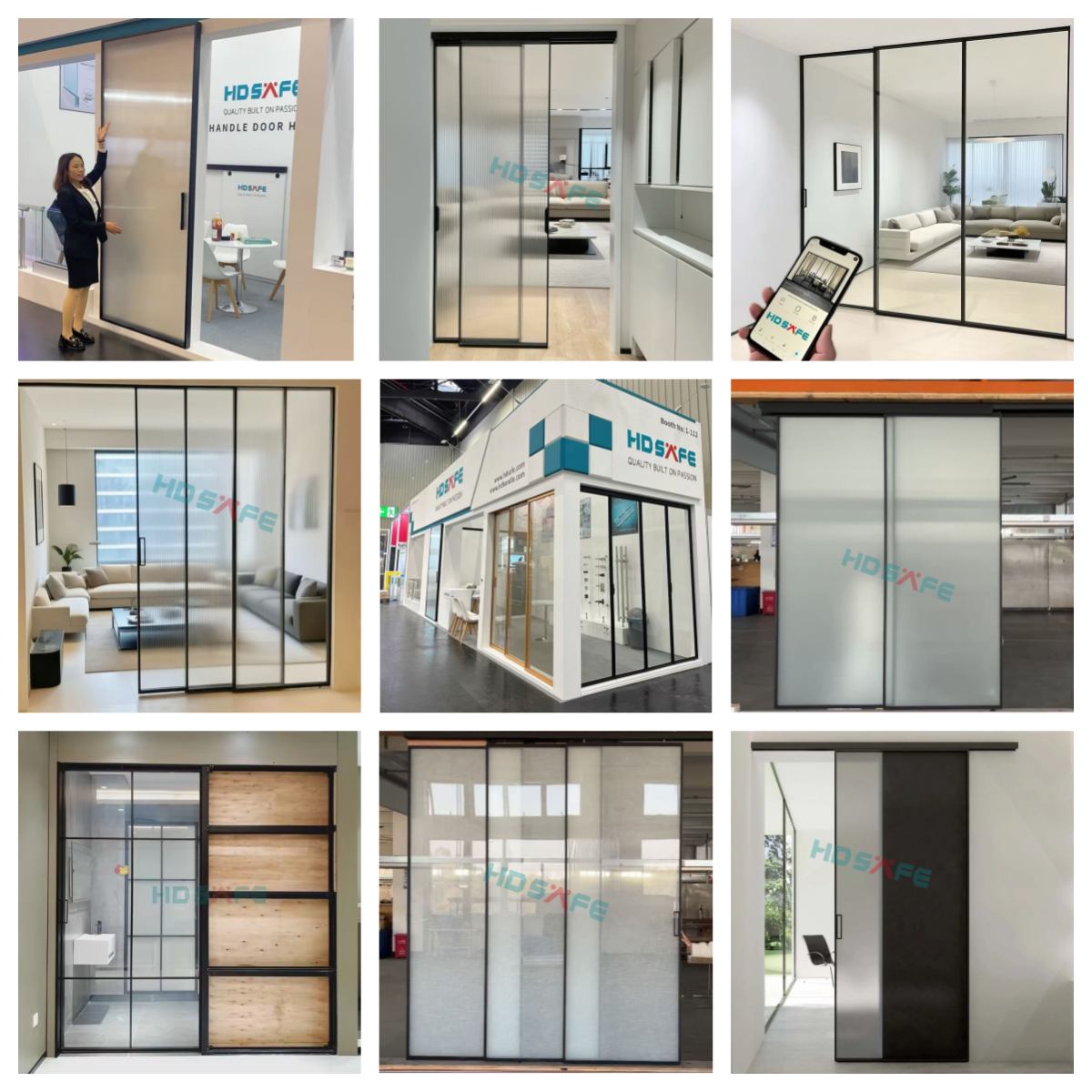
Glass types (clear, frosted, tinted, patterned)
Allowing for personalized design solutions.
3. Applications of Sliding Doors
3.1 Residential Applications
a) Patio & Balcony Access
Large glass sliding doors connect living rooms or bedrooms to outdoor spaces, creating an inviting extension of the home.
b) Room Dividers
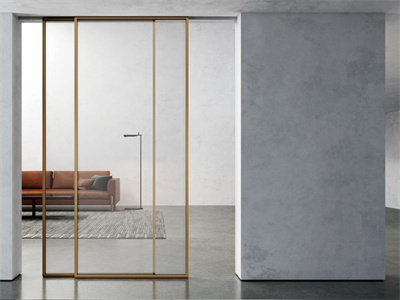
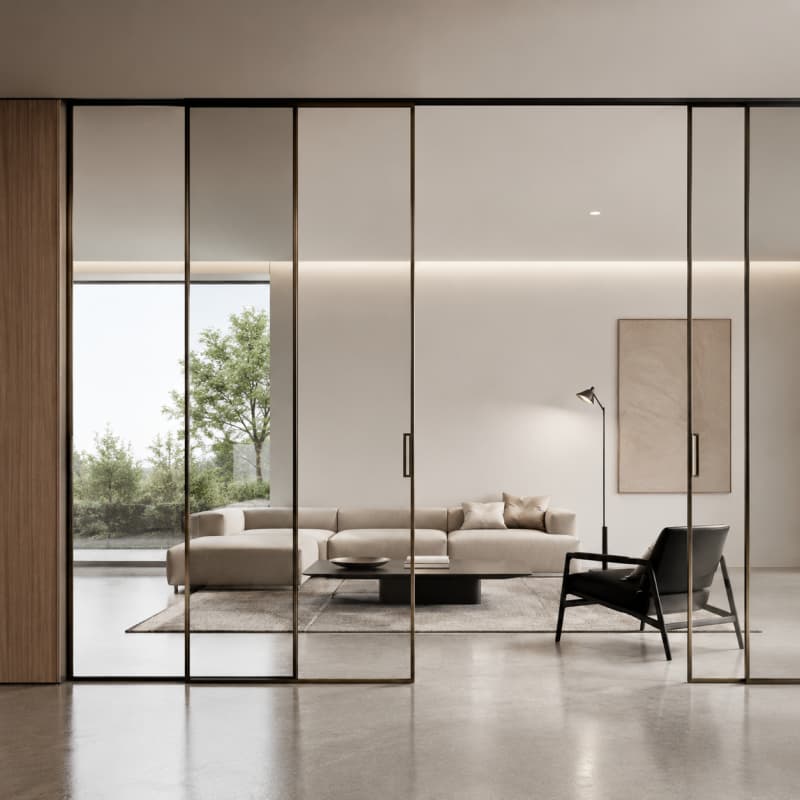
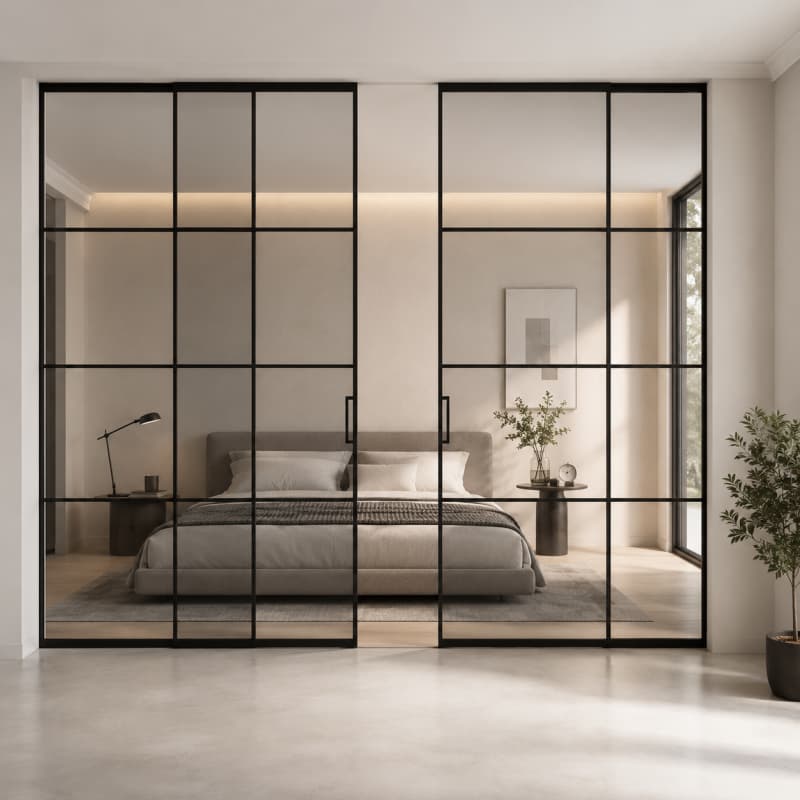
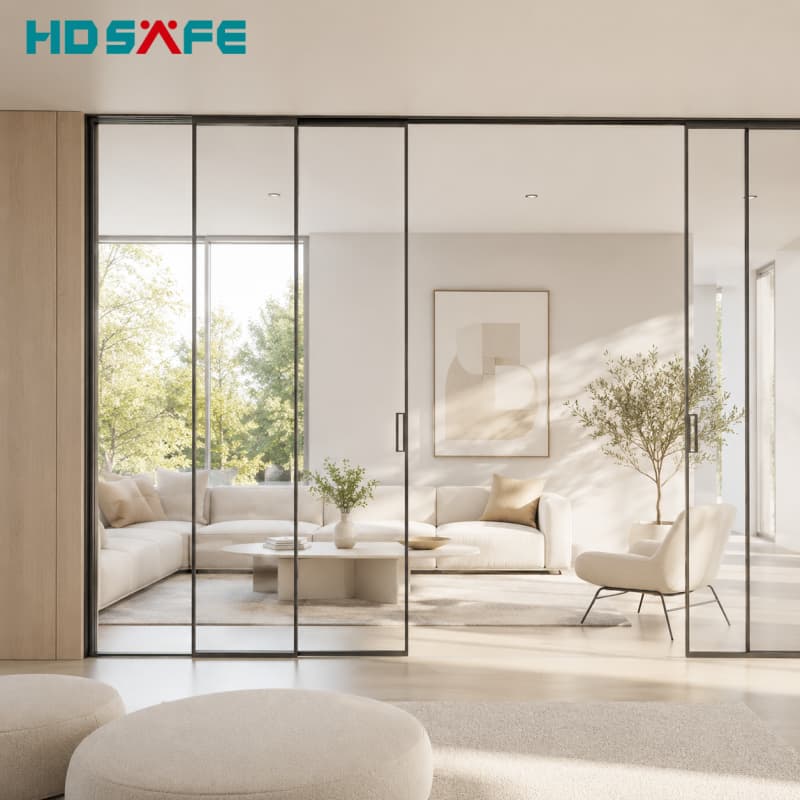
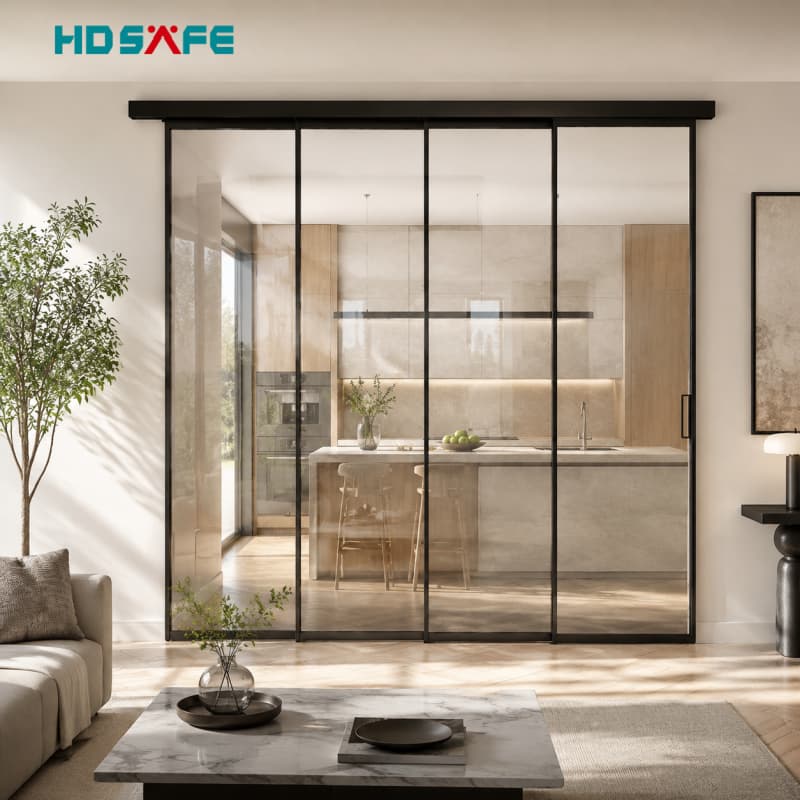
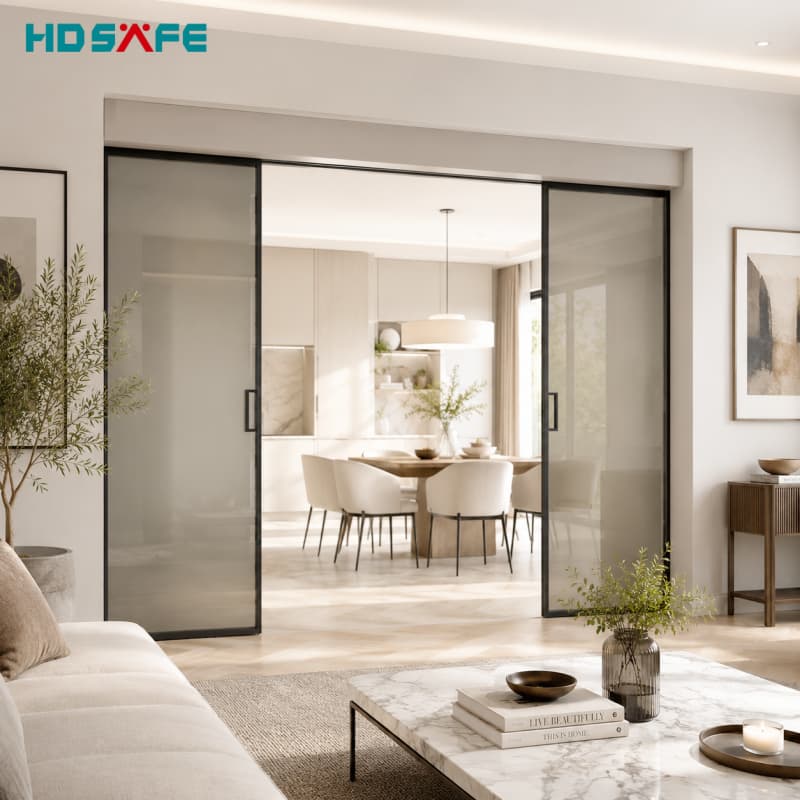
Interior sliding doors separate spaces (living/dining, bedroom/office) without blocking light, maintaining openness while offering privacy.
c) Closets & Wardrobes
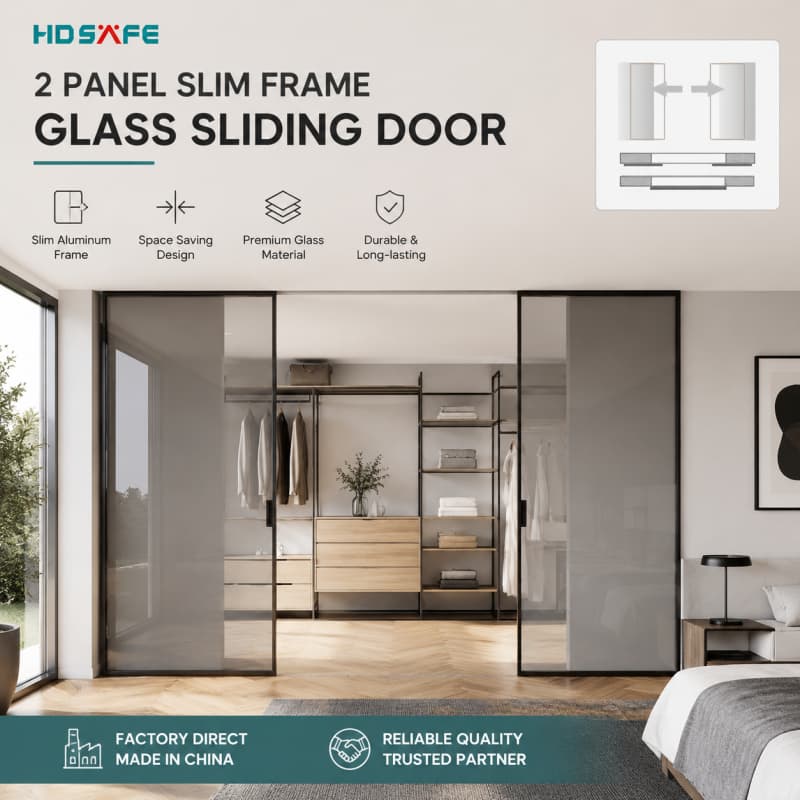
Bypass sliding doors are a space-saving alternative to hinged doors for bedroom and walk-in closets. Mirrored versions double as full-length mirrors.
d) Bathrooms
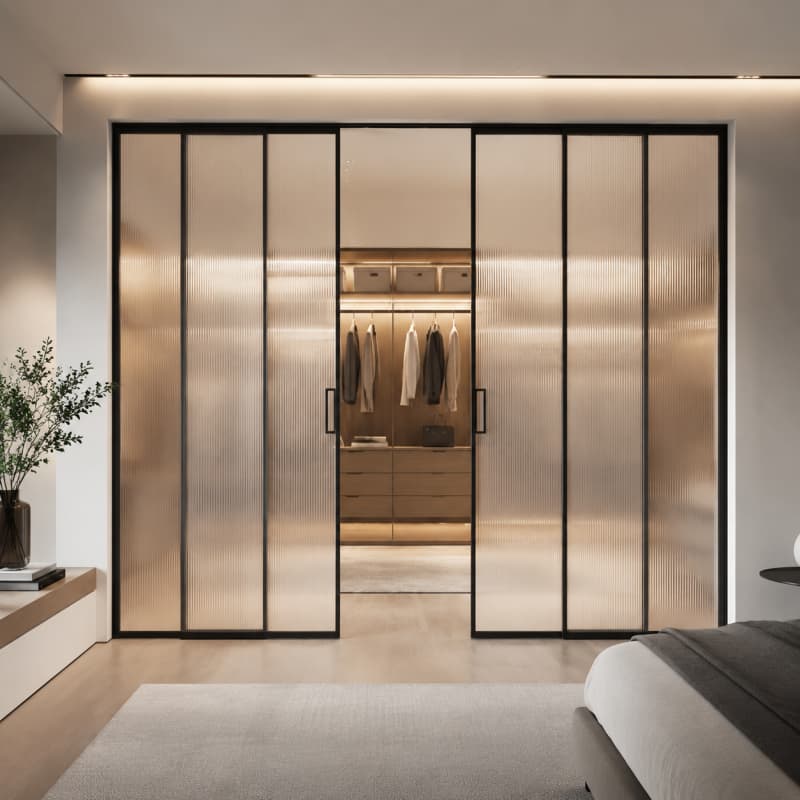
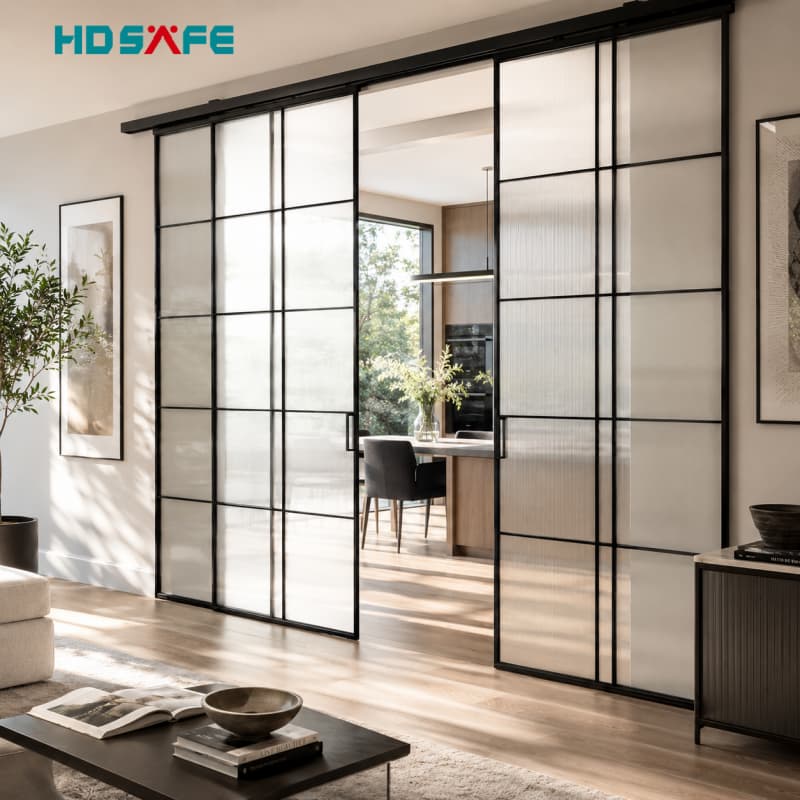
Frosted or textured glass sliding doors provide privacy while maximizing light in en suites and compact powder rooms.
e) Home Offices
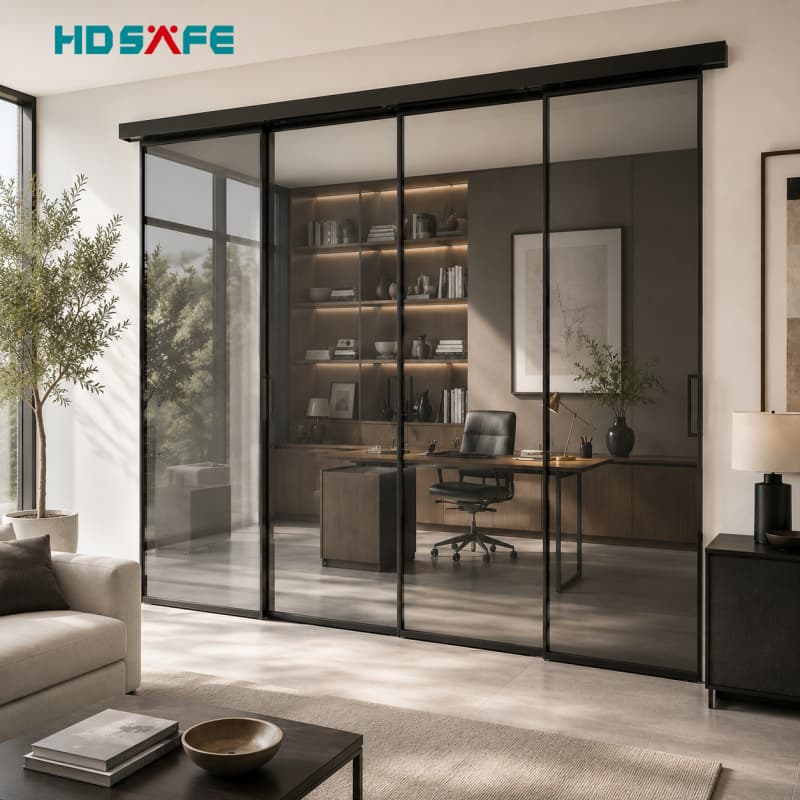
Sliding barn doors or pocket doors create quiet, private work areas that can be closed off when needed.
f) Pantries & Laundry Rooms
Space-saving bypass or pocket doors hide utilitarian areas without encroaching on floor space.
3.2 Commercial Applications
a) Office Partitions
Glass sliding doors divide meeting rooms, open-plan offices, and collaborative spaces while preserving visual connectivity and natural light.
b) Retail Stores
Sliding glass doors serve as attractive, secure storefront entrances that invite customers while allowing flexible opening sizes for deliveries and events.
c) Hospitality Venues
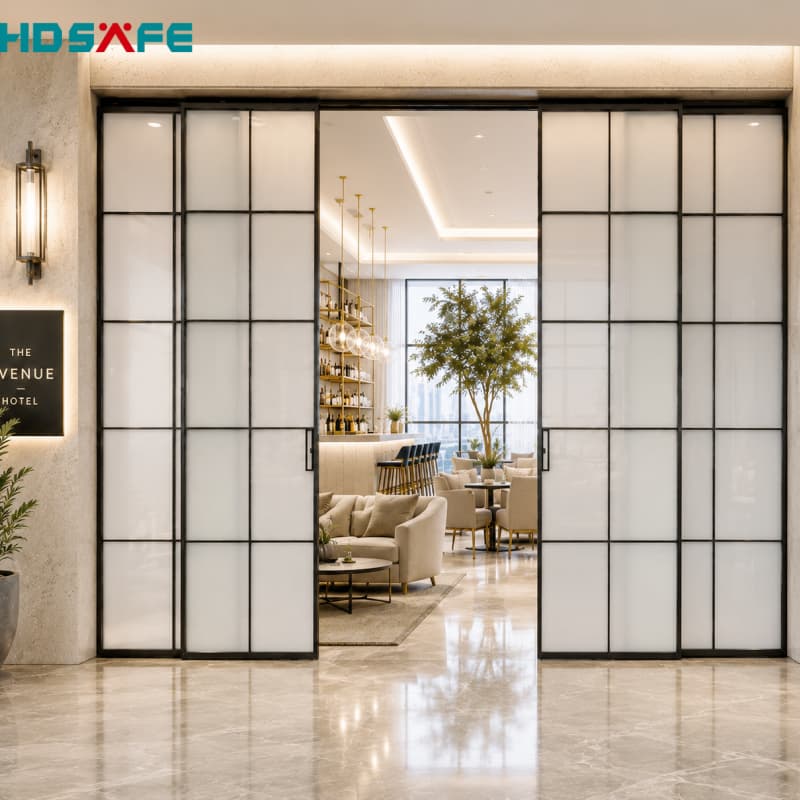
Hotels, resorts, and restaurants use sliding doors to create flexible indoor-outdoor dining and lounge areas, enhancing guest experience.
d) Healthcare Facilities
Sliding doors provide easy access for wheelchairs and medical equipment while maintaining hygiene standards and privacy.
e) Educational Buildings
Classrooms and lecture halls benefit from sliding partitions that can reconfigure spaces for different group sizes and activities.
f) Public Spaces & Cultural Venues
Museums, galleries, and airports use large sliding or folding glass systems to manage crowd flow and create dramatic open spaces.
4. Specialized Sliding Door Applications
4.1 Corner Sliding Doors
Eliminate the corner post to create panoramic openings, often used in luxury homes and modern commercial buildings for dramatic views.
4.2 Lift-and-Slide Doors
Ideal for oversized glass panels in high-end homes and commercial facades, offering smooth operation despite heavy weight.
4.3 Multi-Track Sliding Systems
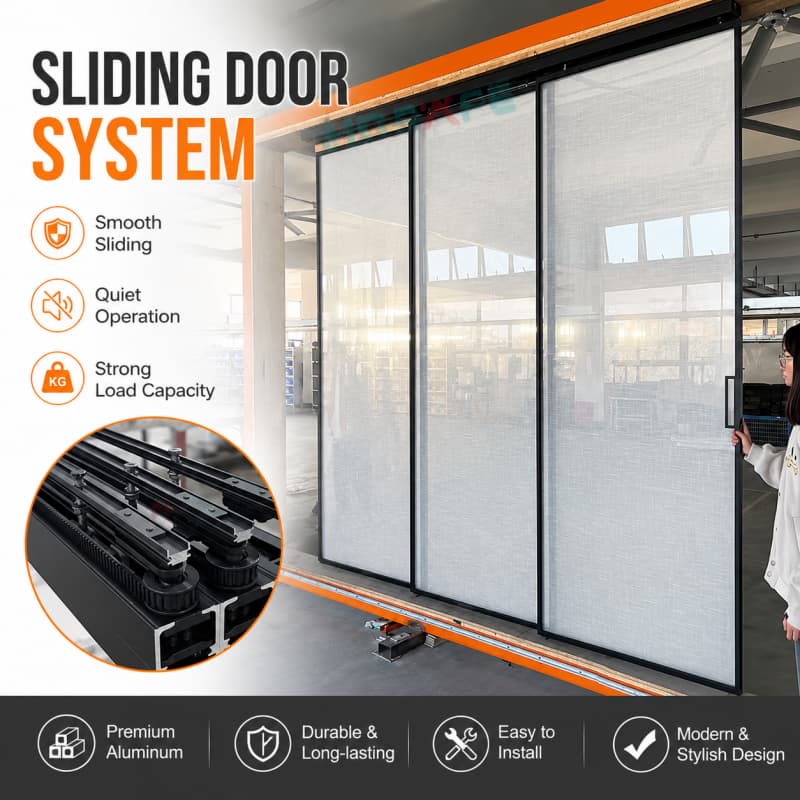
Cover very wide spans with multiple movable panels, useful for expansive patios, conference halls, and event spaces.
4.4 Security Sliding Doors
Reinforced frames and laminated glass make these suitable for ground-floor applications and high-risk commercial environments.
5. Materials and Their Role in Applications
|
Material |
Best Applications |
Reason |
|---|---|---|
|
Aluminum |
Modern exteriors, large openings, coastal areas |
Strong, corrosion-resistant, slim profiles |
|
Wood |
Traditional interiors, room dividers |
Warm aesthetics, good insulation |
|
Vinyl |
Budget-friendly homes, moderate climates |
Moisture-resistant, low maintenance |
|
Fiberglass |
Extreme climates, luxury homes |
Durable, excellent insulation |
|
Composite |
Interior/exterior where wood look is desired |
Rot-resistant, stable |
Material choice directly influences suitability for specific applications, particularly regarding climate, security, and design.
6. Design Trends Involving Sliding Doors
-
Indoor-Outdoor Living: Blurring boundaries with expansive glass sliders.
-
Minimalist Aesthetics: Thin frames, hidden tracks, and flush finishes.
-
Smart Integration: Motorized and app-controlled sliding doors.
-
Mixed Materials: Combining wood, metal, and glass for texture.
-
Sustainability: Eco-friendly materials and energy-efficient glazing.
These trends expand the scope of sliding door applications in innovative ways.
7. Factors to Consider When Choosing Sliding Doors for an Application
-
Space Constraints – Pocket doors for tight spaces; bypass for closets.
-
Opening Size – Large patios may need lift-and-slide or multi-track systems.
-
Climate – Thermal breaks and insulated glazing for cold/hot regions.
-
Privacy Needs – Frosted or solid panels for bathrooms/offices.
-
Security Requirements – Reinforced frames and multi-point locks for ground-level or commercial use.
-
Traffic Frequency – Heavy-duty hardware for high-use areas.
-
Design Harmony – Matching material and finish with existing architecture.
8. Conclusion
The advantages and applications of sliding doors make them indispensable in both residential and commercial design. Their space-saving nature, ability to enhance light and views, and adaptability to countless settings — from cozy bedrooms to sprawling hotel lobbies — explain their enduring popularity.
Whether you seek to create a seamless indoor-outdoor retreat, divide rooms elegantly, or craft a statement entrance, sliding doors offer a stylish and practical solution. By choosing the right type, material, and configuration for your application, you can enjoy decades of beauty, efficiency, and versatility.
 Trackless Sliding Doors Advantages and Applications – A Modern Solution for Seamless Spaces
 Oct 20,2025