


 Home
Home Dec 31,2025
Title: How to Choose Between Barn Doors and Pocket Doors – A Complete Comparison Guide (2025)
Meta Description: Confused between barn doors and pocket doors? Discover the pros, cons, costs, and best uses of each to choose the perfect space-saving interior door for your home or project.
Introduction
When remodeling or designing a home, selecting the right interior door can dramatically affect both functionality and aesthetics. Two of the most popular space-saving options today are barn doors and pocket doors. Both eliminate the need for swing space, but they work in very different ways and suit different needs.
In this guide, we’ll break down how to choose between barn doors and pocket doors, comparing their features, benefits, drawbacks, costs, and ideal applications so you can make an informed decision for your space.
Quick Overview
|
Feature |
Barn Doors |
Pocket Doors |
|---|---|---|
|
Mounting |
Surface-mounted on wall-mounted track |
Slide into a wall cavity |
|
Floor Space Usage |
Needs wall clearance, no floor track |
No floor or wall space needed when open |
|
Privacy & Soundproofing |
Partial (gap at edges) |
Better (full closure possible) |
|
Installation Complexity |
Moderate |
Higher (requires wall modification) |
|
Visual Impact |
Strong rustic/industrial style |
Clean, minimalist look |
|
Cost |
$$ |
$$$ (can vary with retrofitting) |
1. Understanding Barn Doors
How They Work
Barn doors hang from a single track mounted above the doorway and slide parallel to the wall. They never swing open, saving floor space, but part of the door remains visible when closed since it doesn’t sit inside the wall.
Key Characteristics
-
Surface-mounted hardware (track and rollers)
-
Visible door face when closed
-
Requires wall space next to the opening for the door to slide open
-
Usually made of wood, but can be metal or glass
Pros of Barn Doors
✅ Stylish design statement – Adds rustic, industrial, or farmhouse charm
✅ No floor track – Keeps flooring uninterrupted
✅ Easy installation – Can often be retrofitted without altering walls
✅ Great for large openings – Spans wider doorways better than some alternatives
Cons of Barn Doors
❌ Partial privacy – Gap at the sides and top when closed (not fully sealed)
❌ Requires wall clearance – Door needs adjacent wall space to slide open
❌ Not soundproof – Less effective at blocking noise
❌ Surface hardware – Track and hangers are visible and become part of the decor
2. Understanding Pocket Doors
How They Work
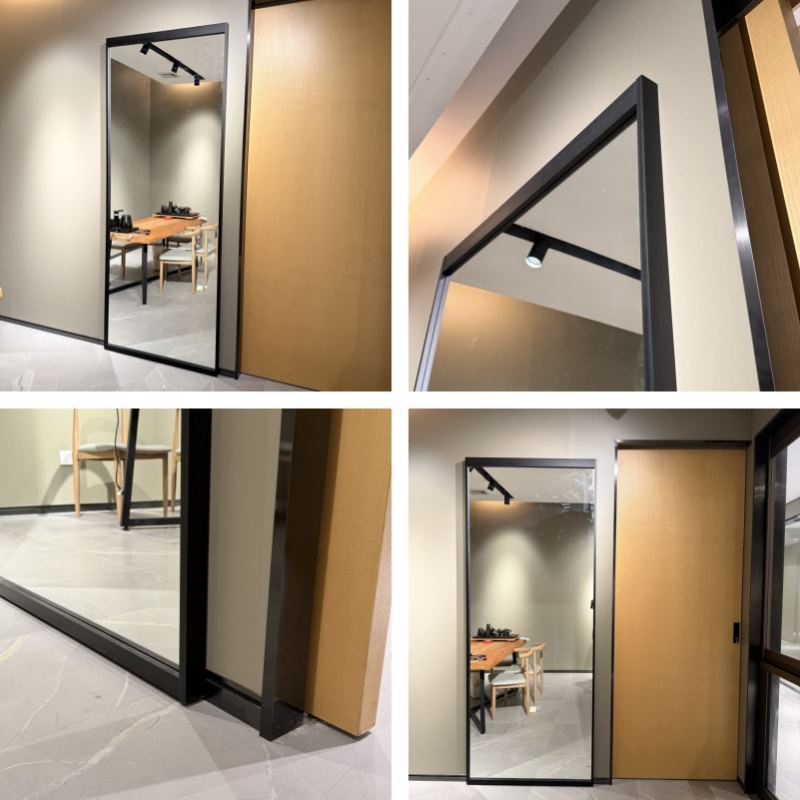
Pocket doors slide into a hollow cavity within the wall, disappearing completely when fully open. This leaves the doorway entirely clear with no part of the door visible.
Key Characteristics
-
Requires a wall deep enough to house the door (usually 2–4 inches beyond door width)
-
Track and rollers are concealed in the ceiling and wall
-
Can be single or double door panels
-
Available in solid, glass, or paneled designs
Pros of Pocket Doors
✅ Maximizes floor and wall space – Door vanishes into wall
✅ Better privacy & insulation – Can seal tightly when closed
✅ Clean, minimalist aesthetic – No visible hardware when open
✅ Ideal for small rooms – Perfect for bathrooms, closets, and tight spaces
Cons of Pocket Doors
❌ Complex installation – Requires wall cavity; hard to retrofit without major renovation
❌ Maintenance challenges – Rollers and tracks can be difficult to reach for repairs
❌ Less soundproofing than solid hinged doors (though better than barn doors)
❌ Potential for wall damage – Moving plumbing/electrical in walls complicates installation
3. Comparing Key Factors
3.1 Space Requirements
-
Barn Doors: Need wall space beside the opening equal to the door’s width; no floor space used.
-
Pocket Doors: Need wall depth for door storage; no floor or wall space used when open.
 2026 Luxury Sliding Doors for Interior – Elevate Your Home with Style, Space, and Sophistication
 Oct 20,2025