


 Home
Home Jan 05,2026
Things You Need to Know About Custom Sliding Glass Doors
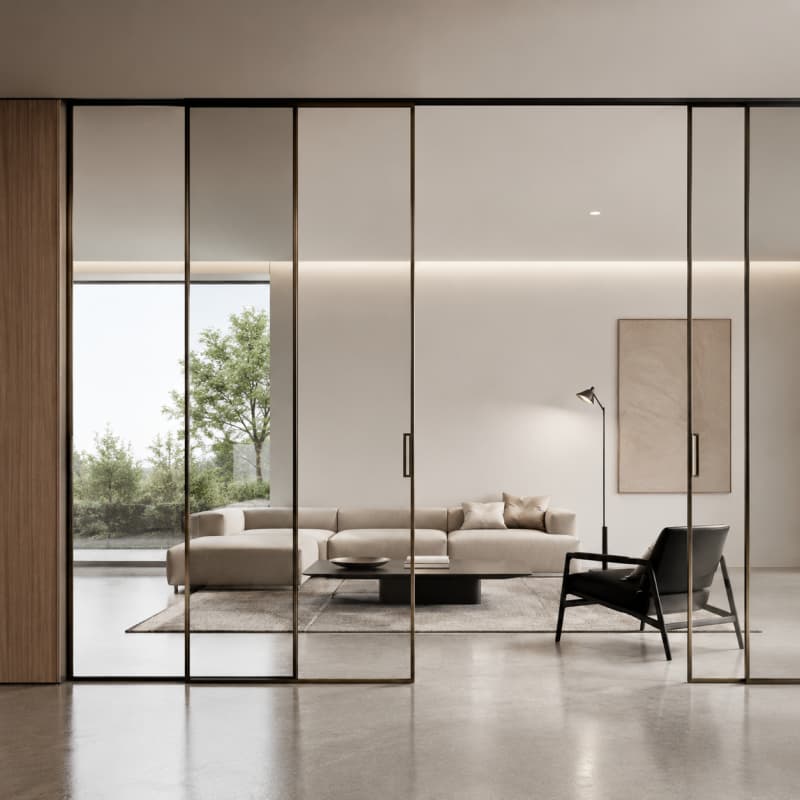
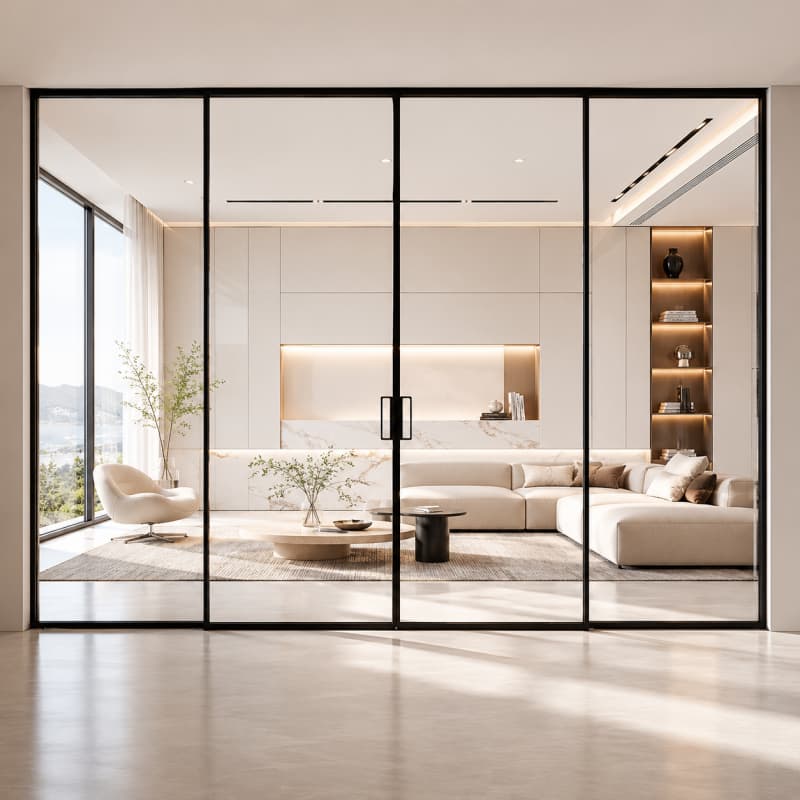
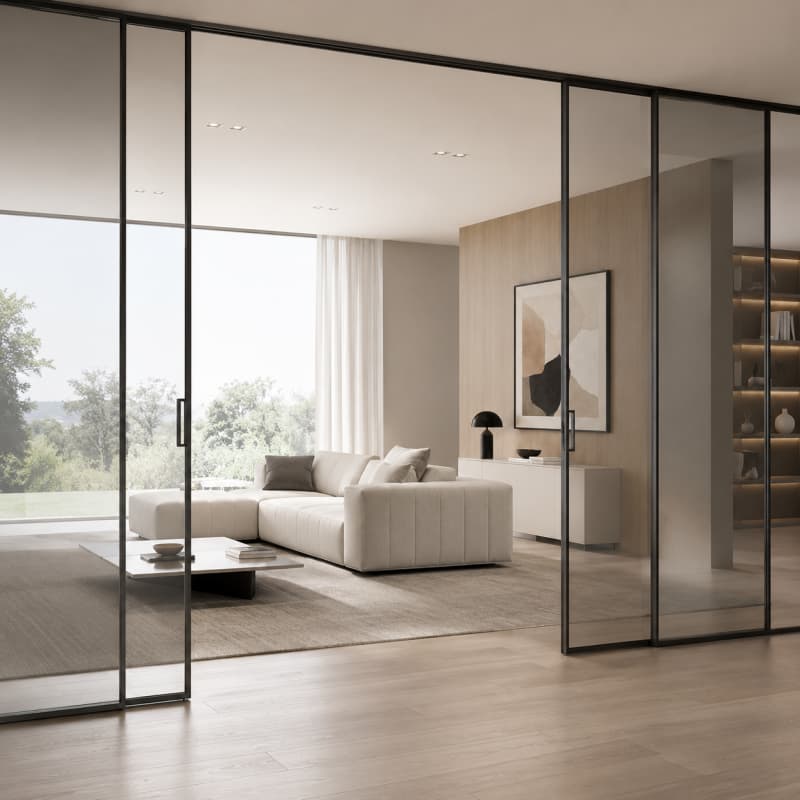
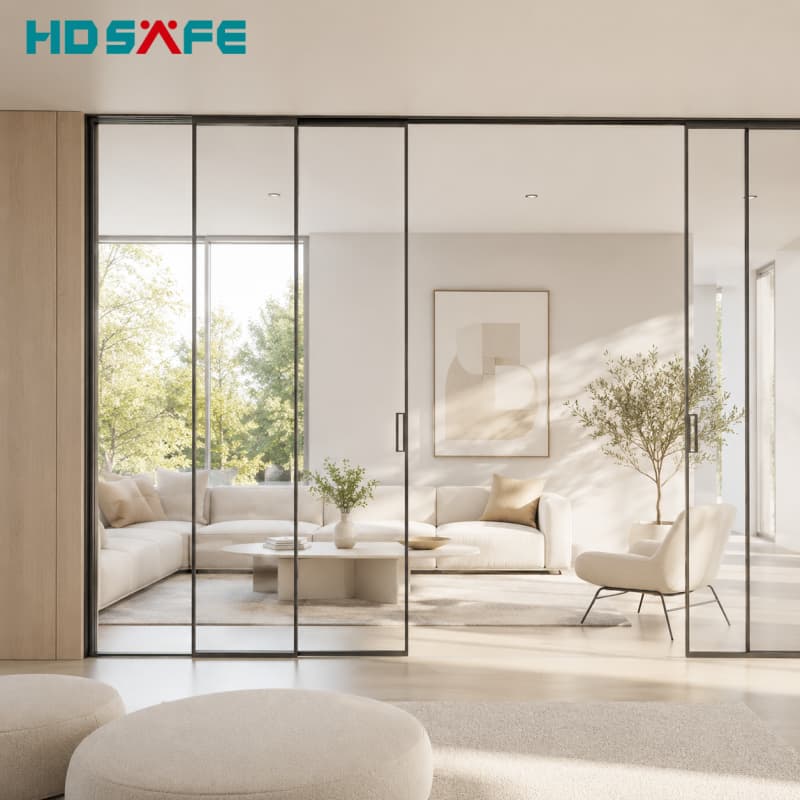
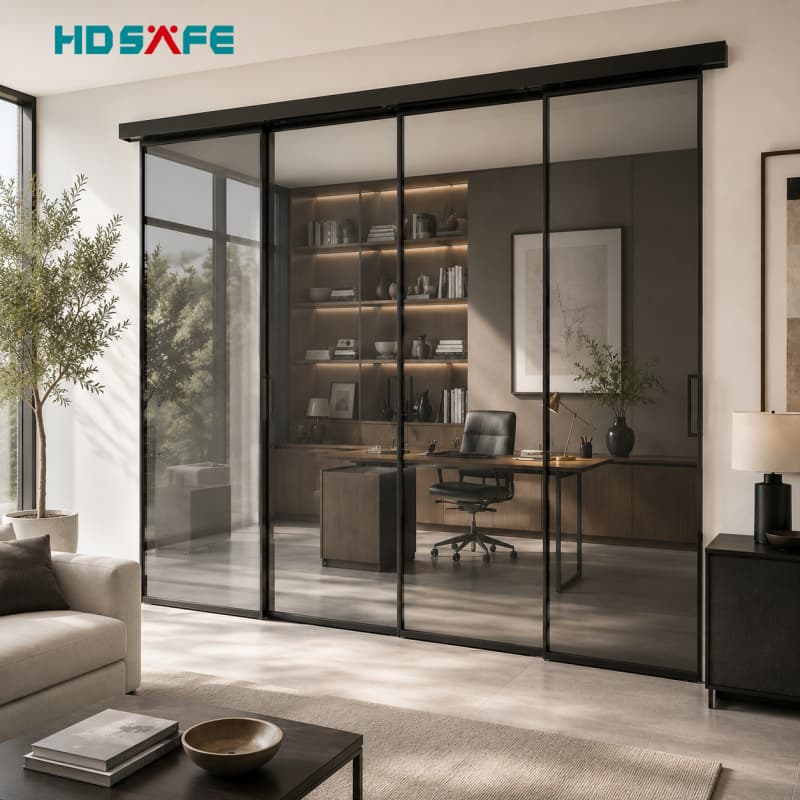
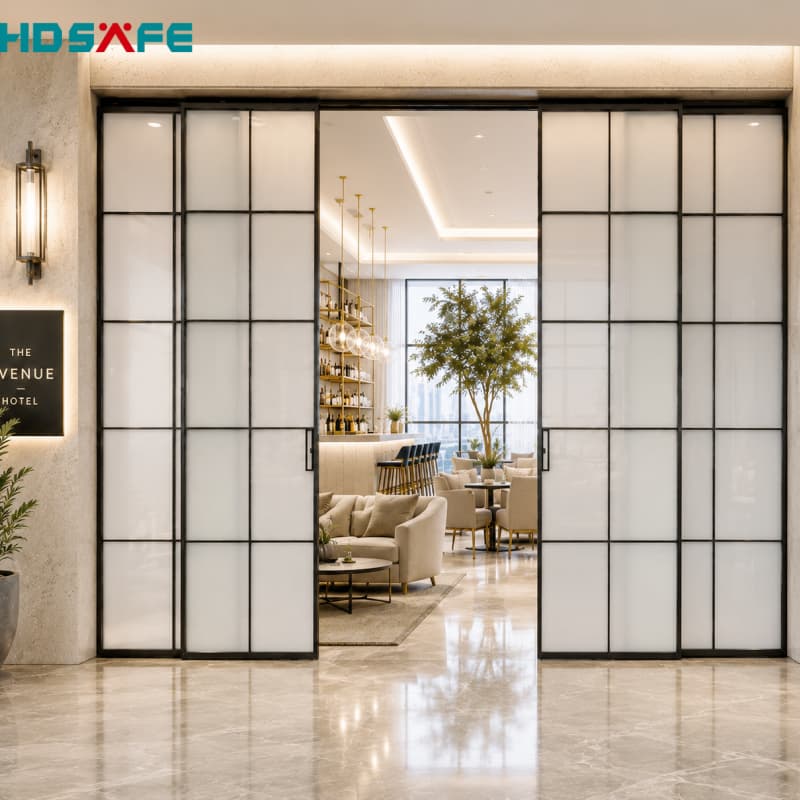
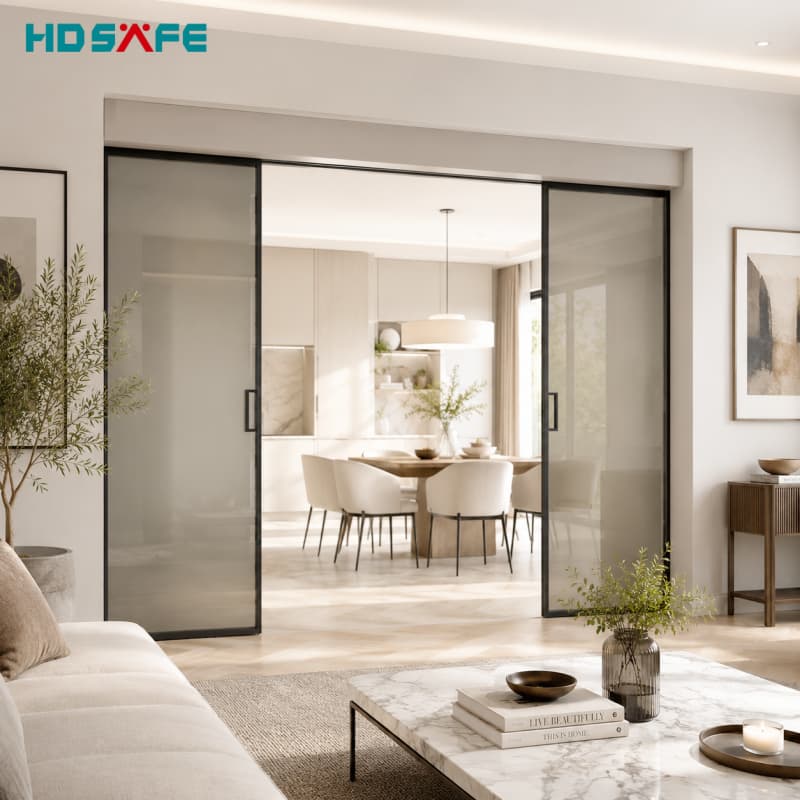
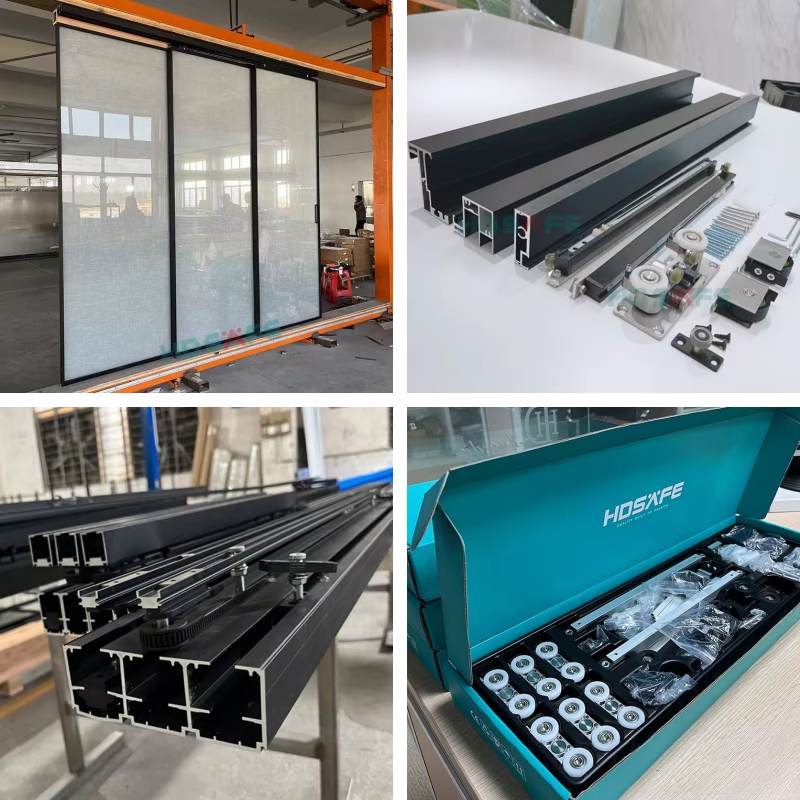
Custom sliding glass doors are more than just oversized windows—they’re architectural features that can transform how your home connects to the outdoors, manages light, and expresses your personal style. Unlike off-the-shelf options, custom designs let you tailor size, materials, finishes, and functionality to perfectly fit your space and lifestyle. Here’s what you need to know before investing in one.
1. Why Choose Custom Over Standard Sliding Glass Doors?
Standard doors come in fixed sizes (e.g., 60”, 72”, 96” widths) and limited configurations, which can force awkward compromises:
-
Odd-sized openings: Older homes or renovations often have non-standard wall widths or heights. Custom doors eliminate gaps, unsightly filler panels, or structural modifications.
-
Unique design goals: Want a 20-foot-wide opening to your patio? A corner-less glass wall? Custom solutions make these possible.
-
Material/style matching: Standard doors may not align with your home’s architecture (e.g., a modern home needing ultra-slim aluminum frames or a historic home requiring wood-clad designs).
-
Performance needs: Custom options let you prioritize energy efficiency, soundproofing, or security beyond standard ratings.
-
2. Key Customization Options
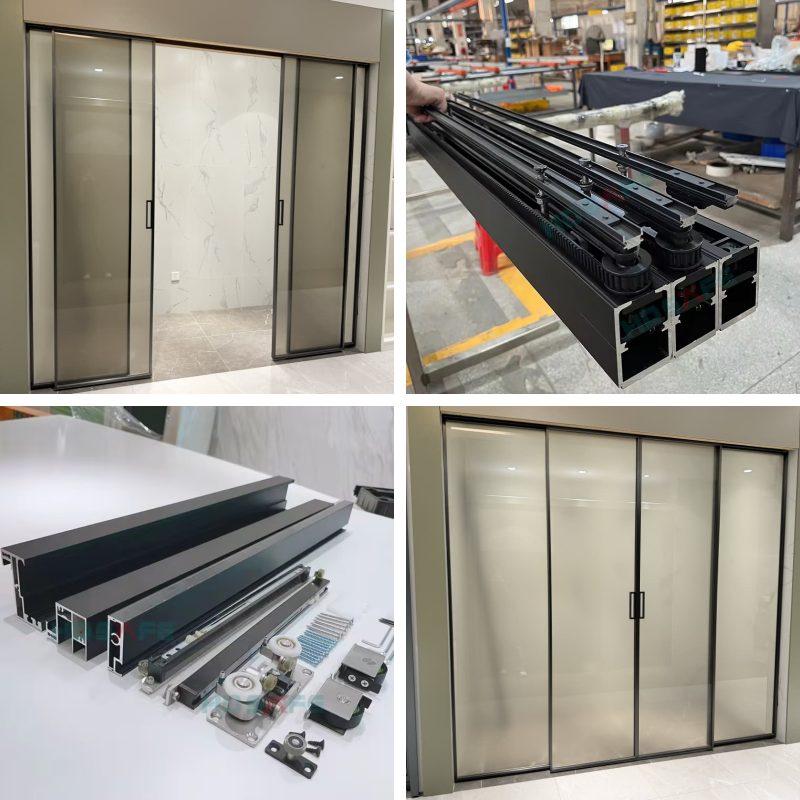
Custom sliding glass doors are defined by five core choices—size, material, glass, hardware, and operation.
a. Size & Configuration
-
Width/Height: Custom doors can span from small closet openings (24”) to grand patio walls (20+ feet). Heights often exceed standard 80” limits, ideal for tall ceilings.
-
Panel Layout: Choose between:
-
Fixed + Operable: One stationary panel + one sliding (common for patios).
-
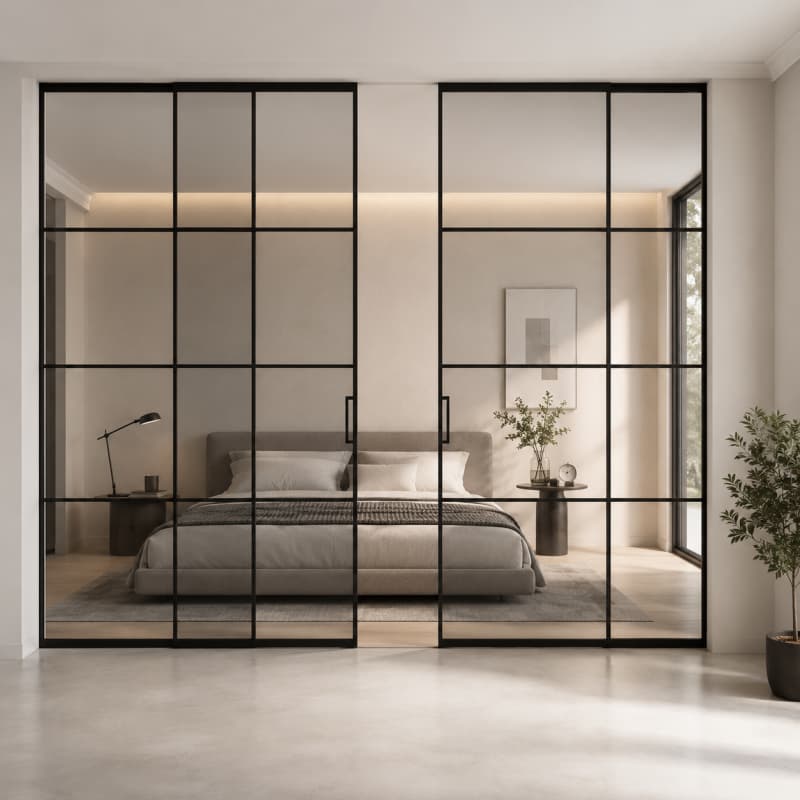
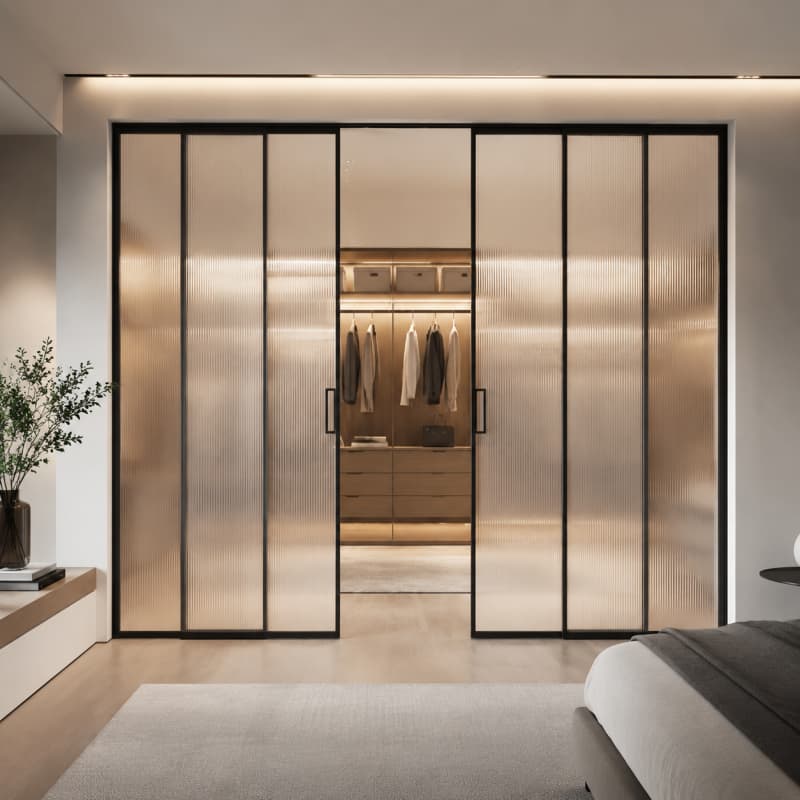
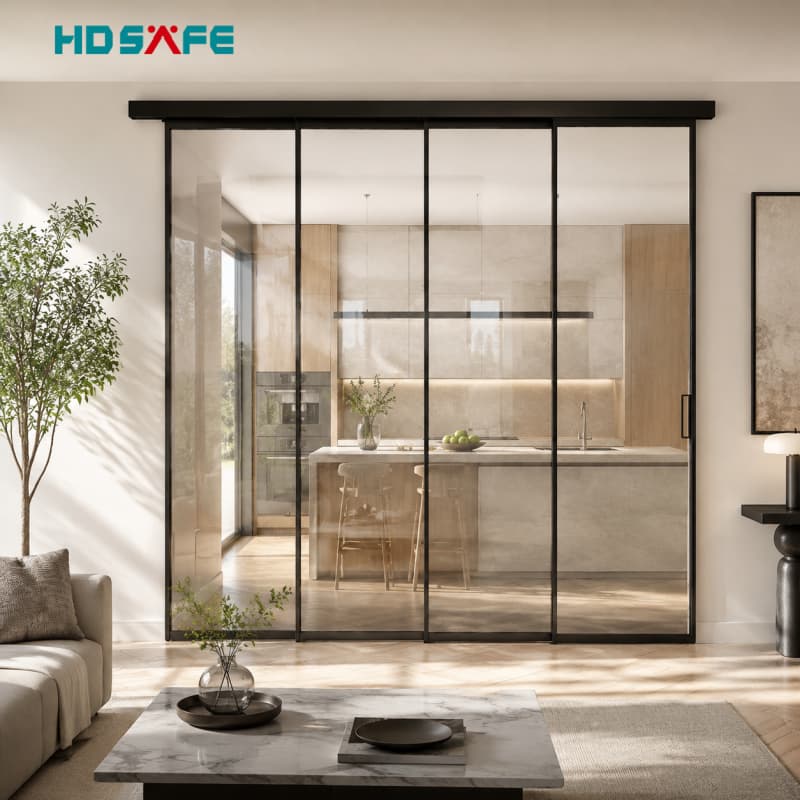
All Operable: Multiple panels slide (e.g., 3-panel systems where two slide past a fixed center).
-
Cornerless Openings: Two sets of doors meet at a corner, sliding apart to eliminate the corner post (dramatic for views).
-
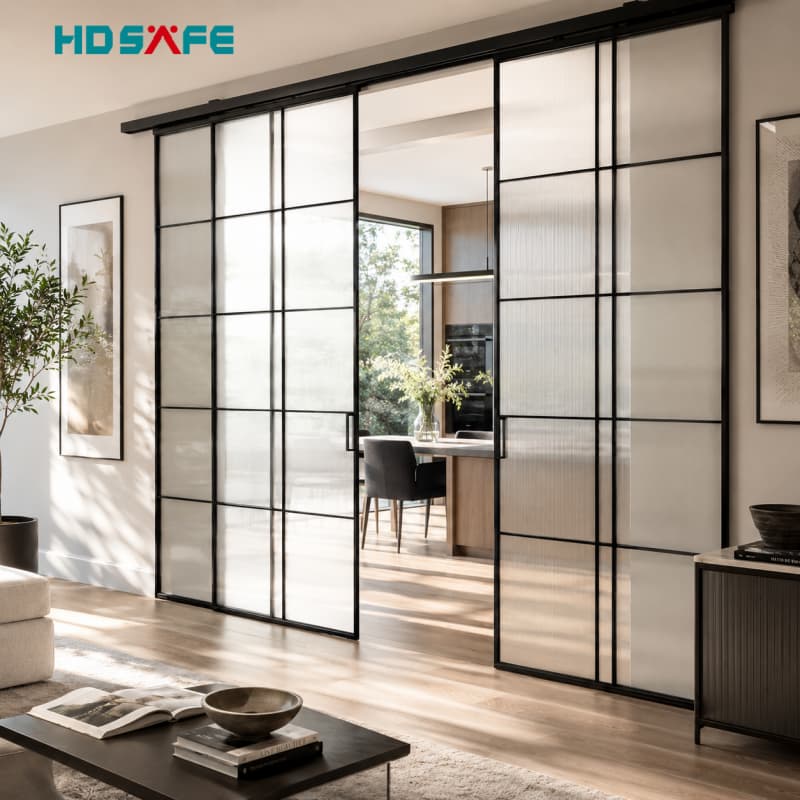
Multi-Track Stacking: 4+ panels stack to one/both sides for ultra-wide openings (e.g., 30-foot spans for luxury homes).
-
b. Materials: Frames & Hardware
Frame material impacts durability, insulation, and style:
-
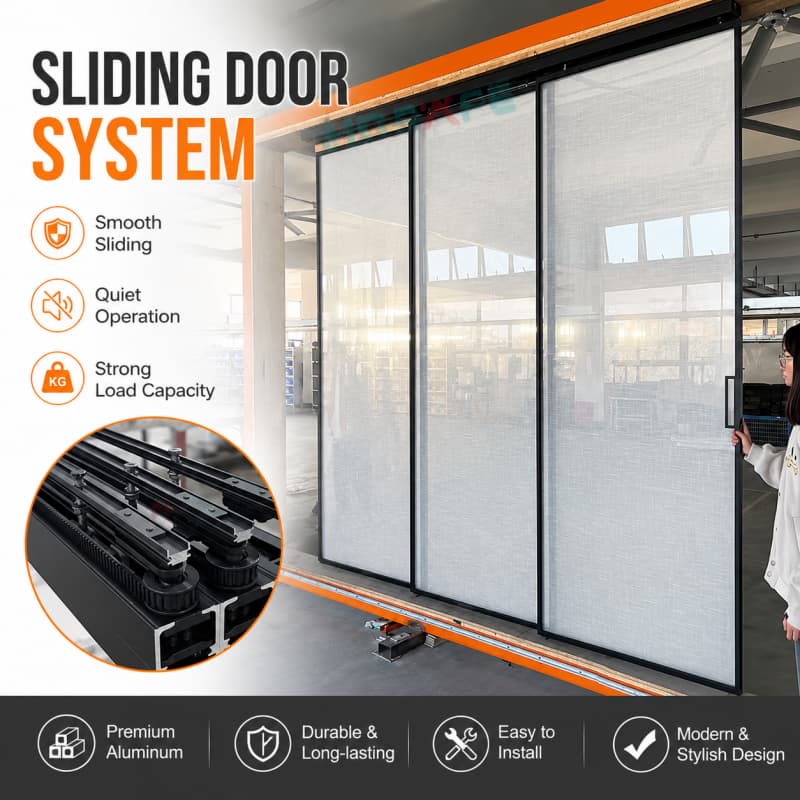
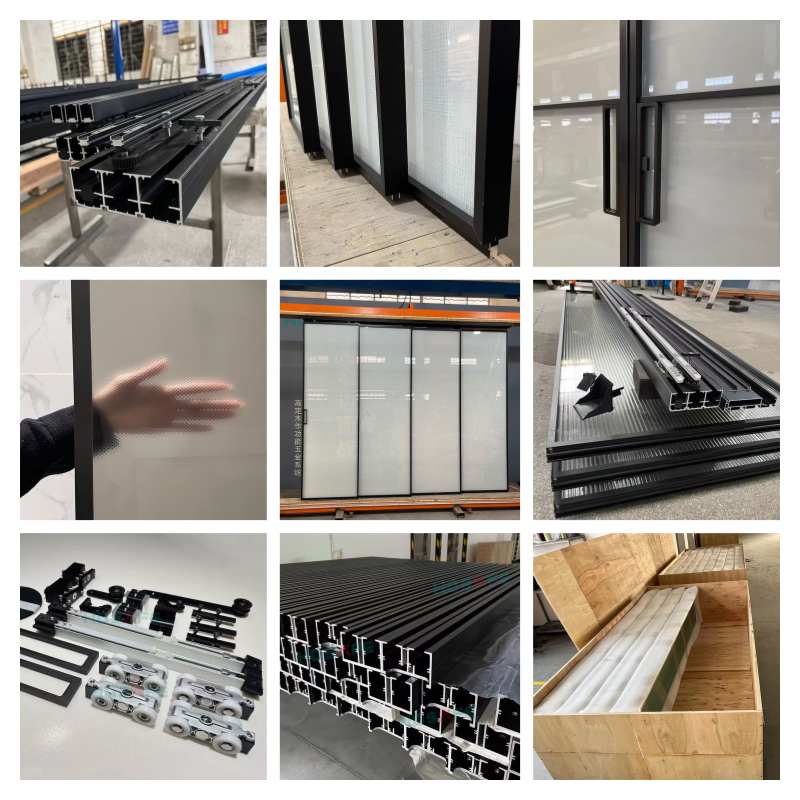
Aluminum: Slim profiles (1–2” wide), strong enough for large glass panes, and corrosion-resistant. Opt for thermally broken aluminum (insulated inner/outer layers) to boost energy efficiency. Finishes: powder coat (matte, gloss, textured) or anodized (metallic sheen).
-
Wood: Warm, natural aesthetic (oak, walnut, reclaimed pine). Often clad in aluminum on exterior faces for weather resistance. Requires periodic sealing/staining.
-
Vinyl: Affordable, low-maintenance, and moisture-resistant. Limited color options (white, tan) and bulkier profiles than aluminum.
-
Composite: Wood fibers + polymers (e.g., Fiberon, Trex). Mimics wood’s look with better rot/insect resistance.
-
Steel: Ultra-strong, thin profiles (ideal for industrial/modern homes). Often paired with glass for a sleek, minimalist look.
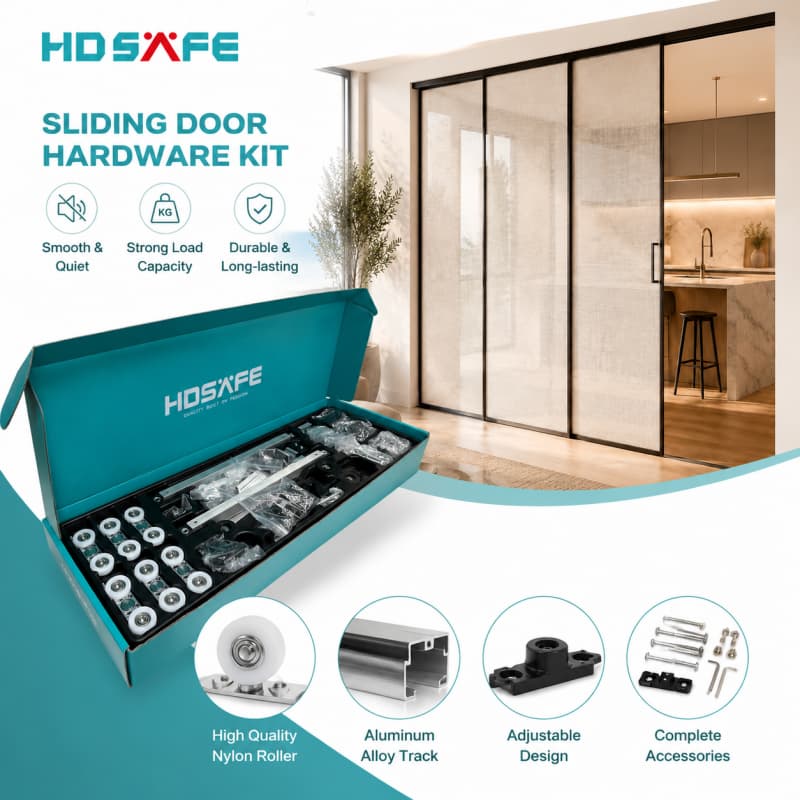
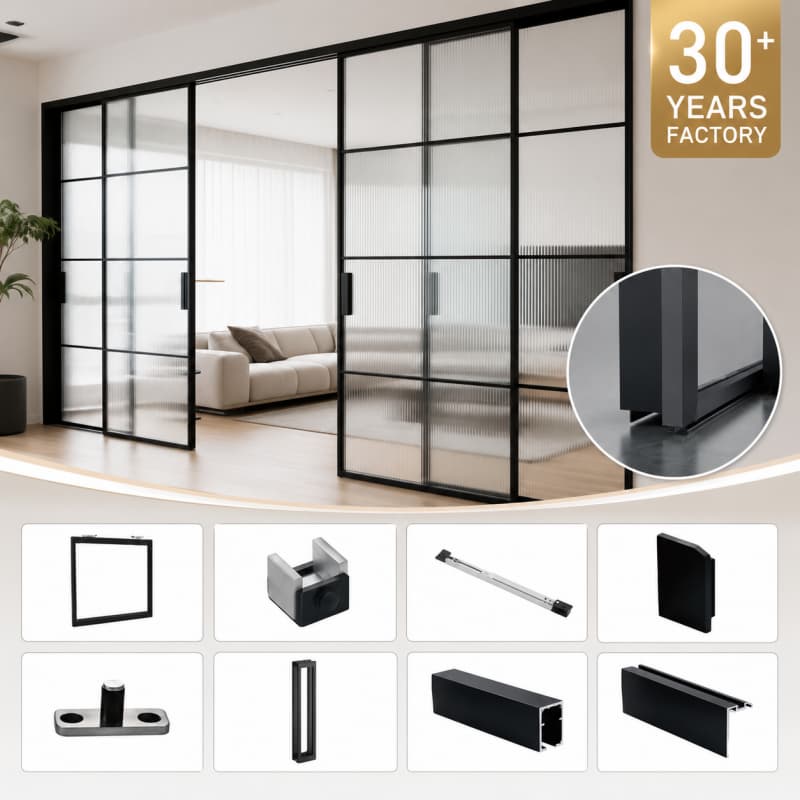
Hardware: Customize handles (lever, pull, recessed), locks (multi-point, keyed, smart locks), and rollers (stainless steel for smooth, quiet operation).
c. Glass Types & Performance
Glass dictates light, insulation, and privacy:
-
Tempered Glass: 4–5x stronger than standard glass; shatters into small, blunt pieces (safety requirement for doors).
-
Laminated Glass: Two panes bonded with a PVB interlayer. Blocks UV rays, reduces noise, and holds together if shattered (ideal for security/soundproofing).
-
Double/Triple Glazing: Two or three panes with argon/krypton gas fill and Low-E coatings. Boosts insulation (cuts heating/cooling costs by 20–30%) and reduces condensation.
-
Tinted/Reflective Glass: Controls glare and solar heat gain (great for sunny climates).
-
Frosted/Textured Glass: Provides privacy (e.g., for master baths or home offices) while letting light through.
d. Operation: Manual vs. Motorized
-
Manual: Push-to-slide operation. Ideal for everyday use; requires sturdy rollers and ergonomic handles.
-
Motorized: Automated sliding via remote, app, or voice control (compatible with smart home systems like Alexa, Google Home). Features:
-
Sensors: Motion, pressure mats, or infrared beams to auto-open/close.
-
Safety: Obstruction detection (reverses if blocked) and soft-close to prevent slamming.
-
Convenience: Perfect for large/heavy panels (e.g., 10-foot-wide glass) or high-traffic areas (e.g., commercial spaces).
-
e. Insulation & Energy Efficiency
Look for U-factor (heat loss) and SHGC (solar heat gain) ratings:
-
U-factor ≤ 0.30 (lower = better insulation; ideal for cold climates).
-
SHGC ≤ 0.25 (lower = less heat from sun; ideal for hot climates).
-
Thermally broken frames and double-glazed Low-E glass are must-haves for energy efficiency.
3. Critical Considerations Before Ordering
a. Structural Support
Large custom doors (e.g., 10+ feet wide) are heavy (up to 500 lbs per panel). Ensure:
-
Header beams (above the door) are reinforced to bear the weight.
-
Floor tracks (if used) are anchored to a solid subfloor (avoid floating floors like laminate without extra support).
-
Wall cavities (for pocket doors) are deep enough (2–4” beyond door width) and structurally sound.
b. Site Measurements
Precision is key—even 1/8” errors can cause misalignment or gaps. Hire a pro to measure:
-
Rough openings: Account for studs, drywall, and trim.
-
Level/plumb: Ensure tracks are perfectly horizontal/vertical to prevent sticking.
-
Clearances: Leave space for stacked panels (e.g., 3-panel doors need 2x panel width in wall space).
c. Building Codes & Permits
-
Egress rules: Bedrooms may require doors to open fully (sliding doors with ≥½ opening width may qualify).
-
Fire safety: Garages or shared walls may need fire-rated doors (30–90 minute ratings).
-
Wind load: Coastal or hurricane-prone areas require impact-resistant glass and reinforced frames (check local codes).
-
Permits: Large openings or structural changes often need permits—confirm with your city.
d. Lead Time & Installation
-
Lead time: Custom doors take 6–12 weeks (longer for exotic materials or motorization). Plan ahead for renovations.
-
Installation: Professional installation is critical. Poorly installed doors lead to drafts, sticking, or premature wear. Ensure installers are certified by the manufacturer (e.g., Andersen, Marvin, Pella).
4. Cost Factors
Custom sliding glass doors range widely based on:
-
Size: Larger doors cost more (e.g., 1,500fora6’x8’standarddoorvs.10,000+ for a 12’x10’ custom door).
-
Material: Aluminum (mid-range) < wood-clad (premium) < steel (luxury).
-
Glass: Triple-glazed Low-E (adds 200–500 per panel) > laminated > tempered.
-
Motorization: Adds 1,000–3,000+ for automation and smart features.
-
Labor: Complex installs (e.g., cornerless openings) cost more.
Average cost: 800–2,000 for semi-custom; 2,500–15,000+ for fully custom.
5. Maintenance Tips
-
Clean tracks/rollers: Monthly—remove debris with a brush, then wipe with silicone lubricant.
-
Inspect seals: Annually—replace cracked/dry seals to maintain insulation.
-
Check alignment: If doors stick, adjust rollers (many systems have adjustable height screws).
-
Glass care: Use non-abrasive cleaners; avoid ammonia (damages Low-E coatings).
-
Motorized doors: Service annually (lubricate gears, check sensors).
6. Popular Custom Applications
-
Indoor-Outdoor Living: 10–20 ft wide doors opening to patios/decks (maximizes views and airflow).
-
Room Dividers: Frosted glass panels to separate living/dining areas without blocking light.
-
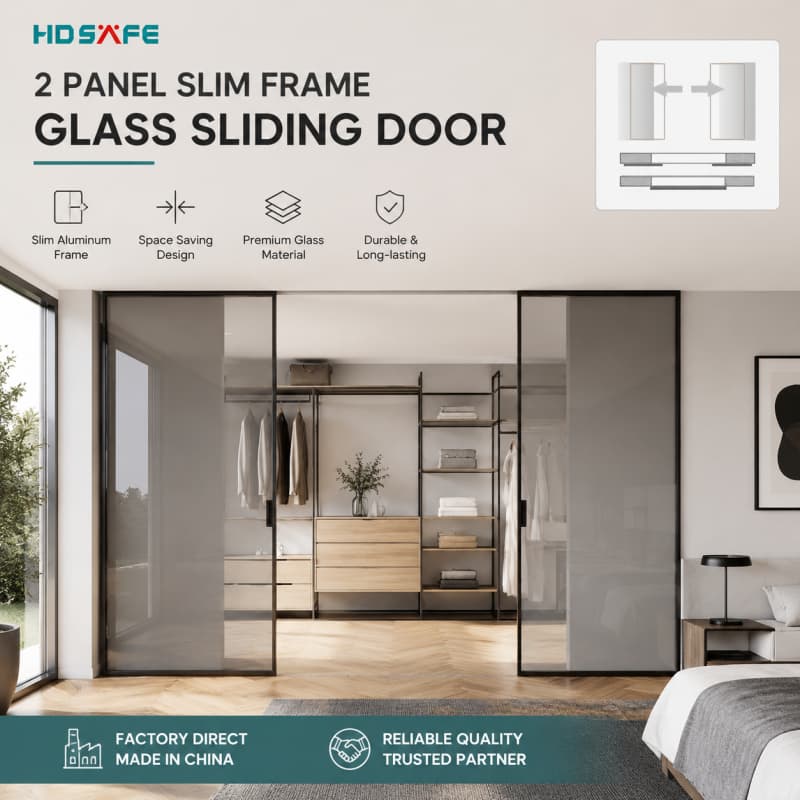
Closets: Mirrored or frosted sliding doors for small bedrooms.
-
Home Offices: Soundproof laminated glass doors to reduce noise.
-
Luxury Bathrooms: Frameless sliding shower doors with custom hardware finishes (brass, matte black).
-
Final Takeaway
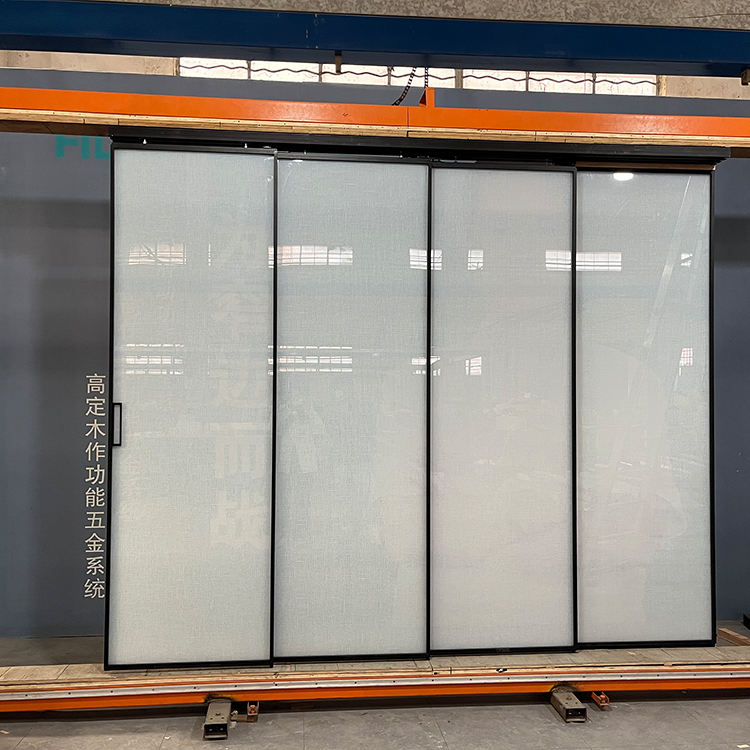
Custom sliding glass doors are a worthwhile investment if standard options don’t fit your space, style, or performance needs. Prioritize precise measurements, high-quality materials, and professional installation to ensure they enhance your home’s beauty and functionality for decades. Whether you’re chasing panoramic views or seamless indoor-outdoor flow, custom doors turn ordinary openings into extraordinary design features.
 Choosing the Right Material for Your Glass Sliding Doors
 Dec 31,2025