


 Home
Home Dec 31,2025
How a Glass Sliding Door Works
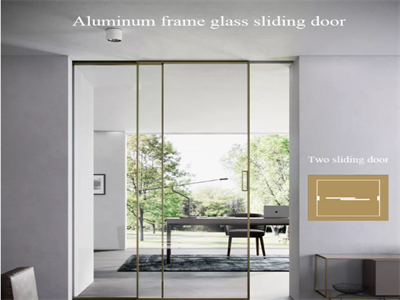
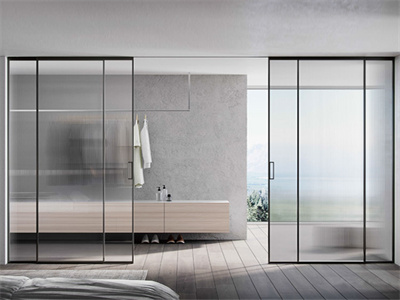
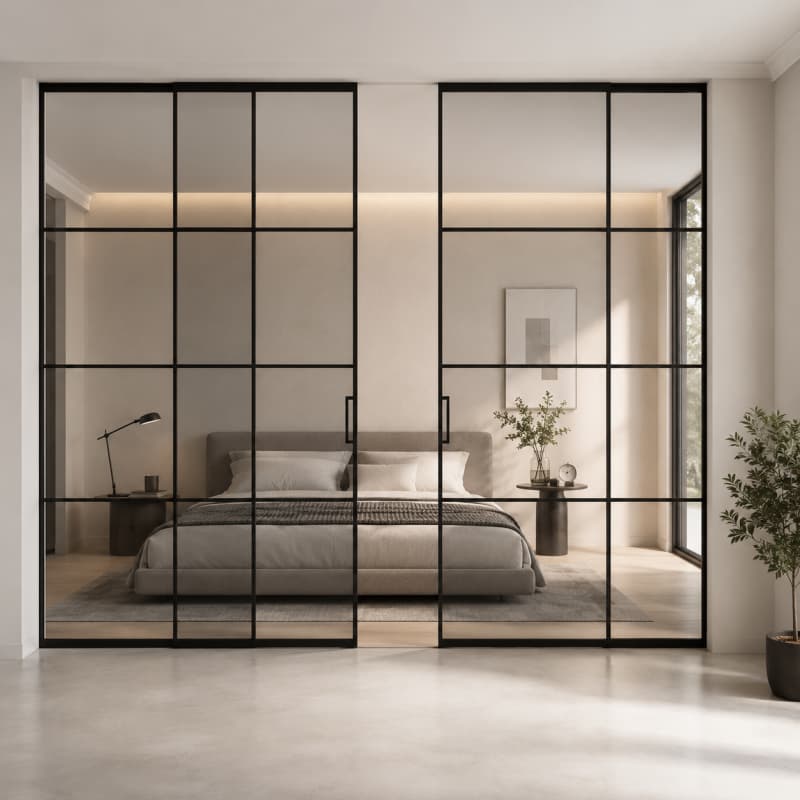
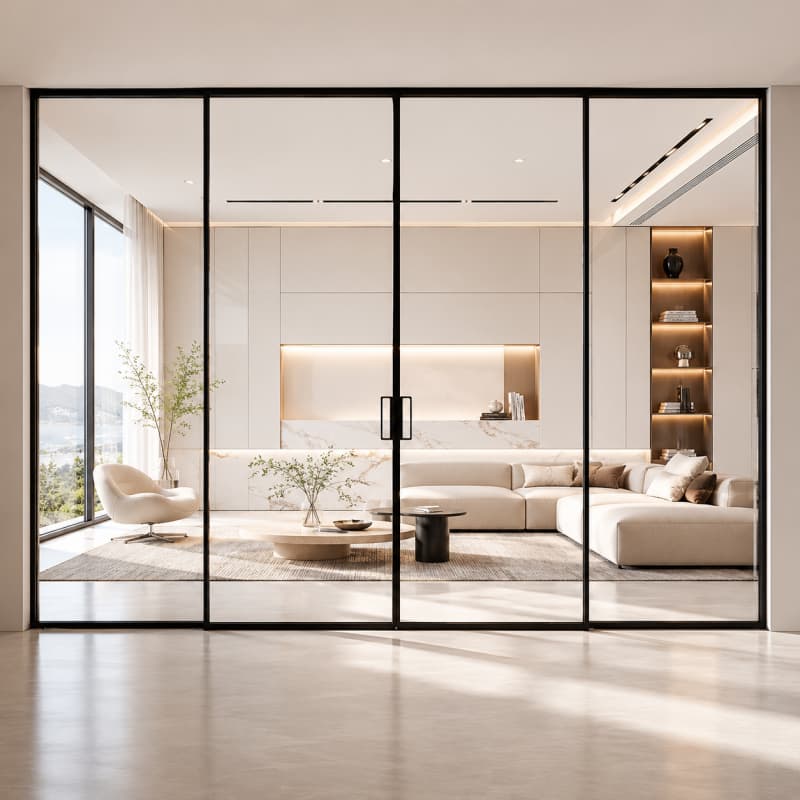
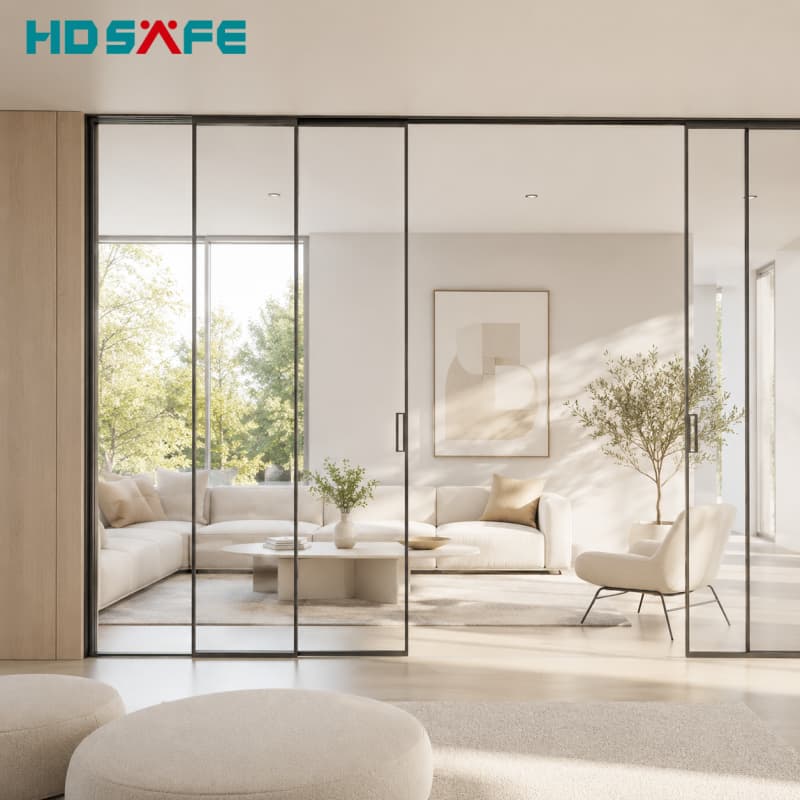
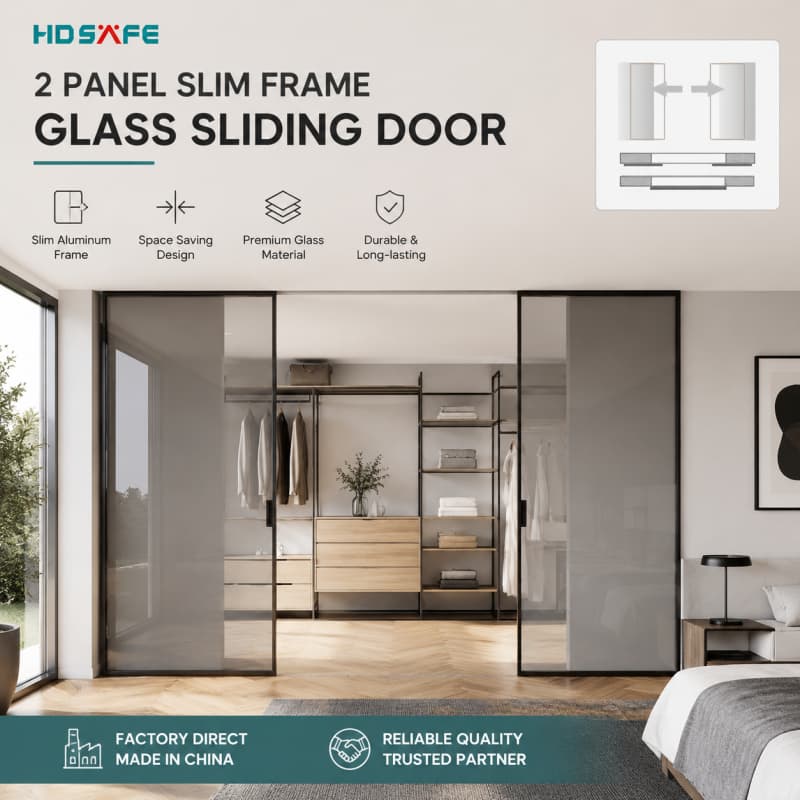
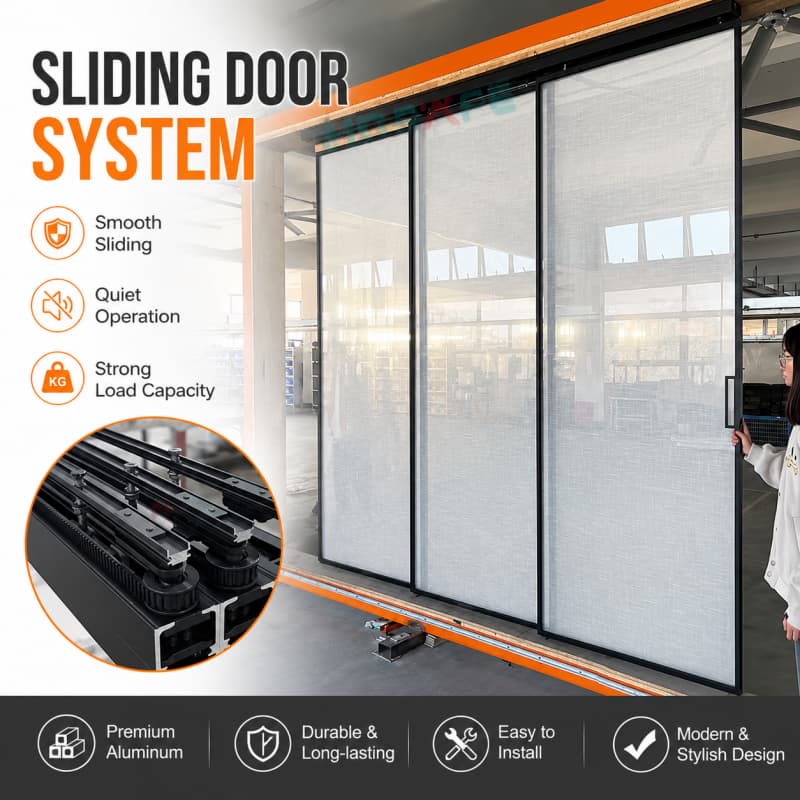
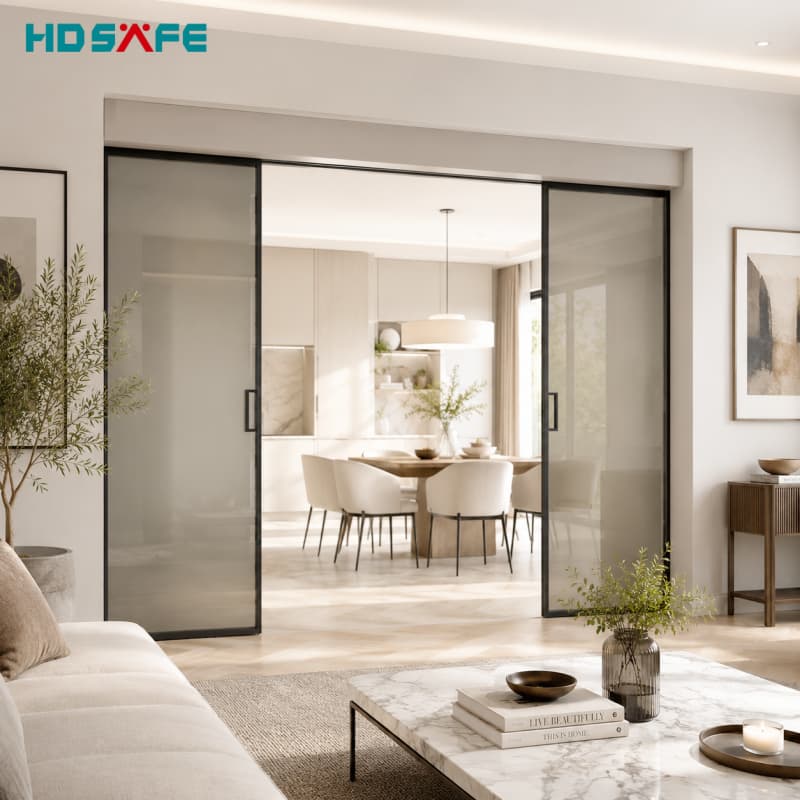
A glass sliding door moves horizontally on a track so the panel(s) slide open and closed without swinging. Most residential doors have two panels, with one fixed and one active panel that glides in a fixed track, often staying flush with the wall when open. The moving panel rides on rollers—typically near the bottom, with many systems also using upper rollers for stability—and is guided by a header track above. Common configurations include single-track bypass doors and, for wider spans, multi-panel systems that stack to one or both sides.

Key Components and How They Work Together
-
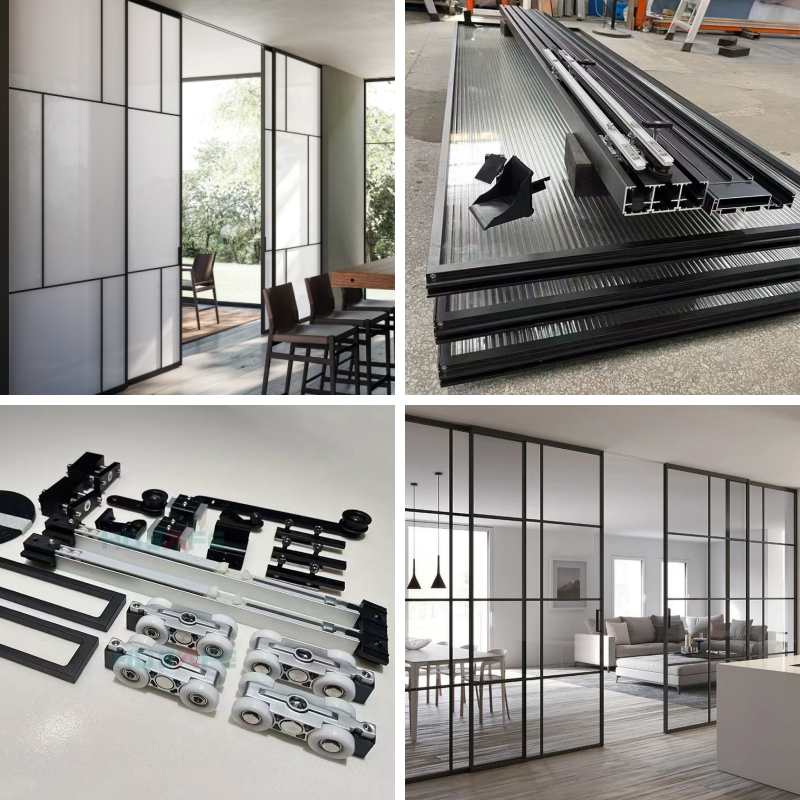
Door panels: Large tempered safety glass panes (clear, frosted, tinted, or laminated) that provide light, visibility, and safety.
-
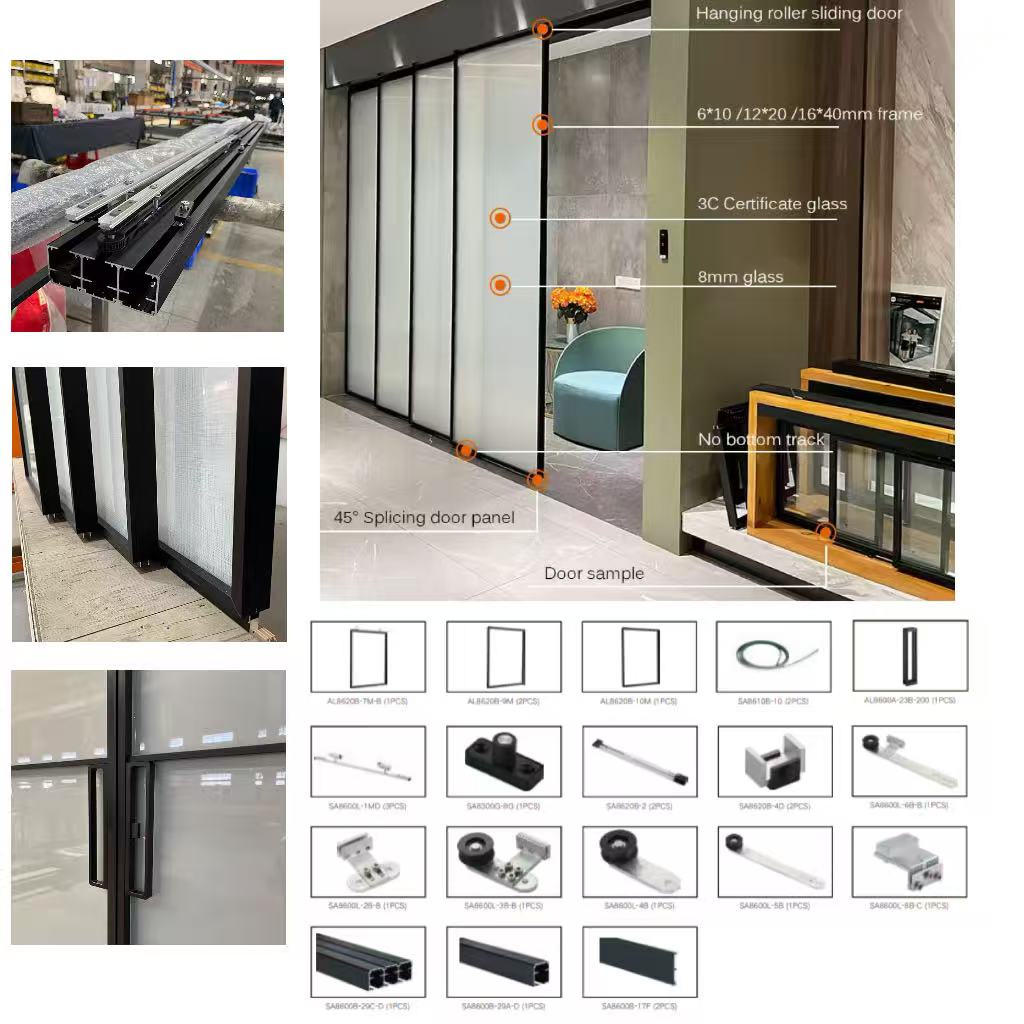
Tracks: Horizontal rails—usually a top header track and sometimes a bottom guide—that keep the panel aligned and allow smooth travel.
-
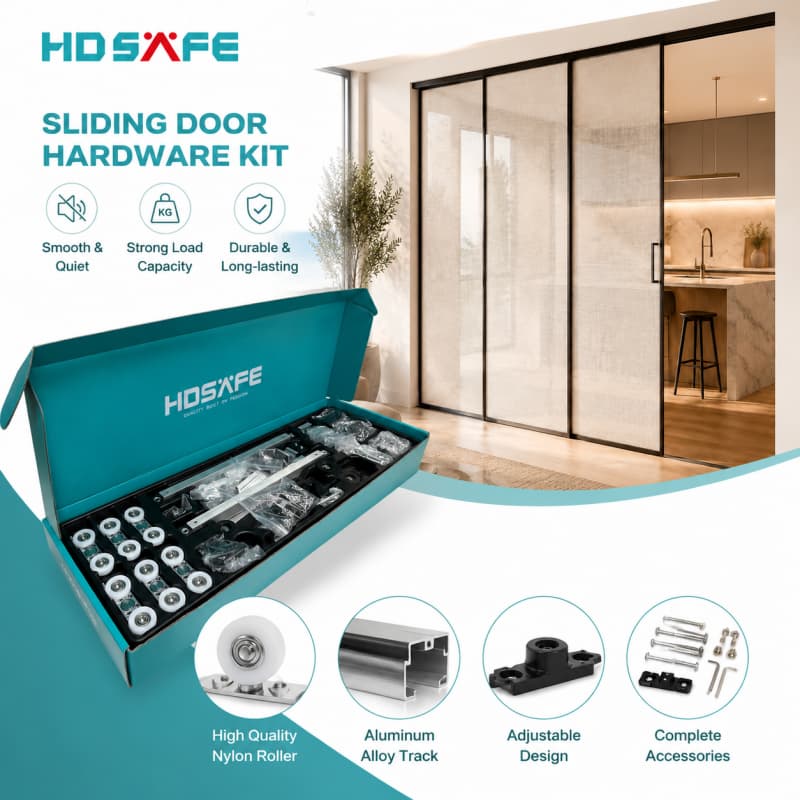
Rollers and hangers: Precision wheels and brackets that support the panel’s weight and reduce friction for quiet, easy operation.
-
Locking and security: Multi-point locks, anti-lift devices, and in some cases foot locks or keyed locks to deter forced entry.
-
Weatherstripping and seals: Keep out drafts, dust, and moisture; performance improves with tighter seals and insulated frames.
-
Glass upgrades: Double or triple glazing, Low‑E coatings, and argon gas fill improve thermal performance and UV control.
These parts work together so the door opens with a gentle push, glides smoothly, and seals securely when closed.
Operation and Control Options
-
Manual sliding: Lift the handle to disengage rollers (on some designs), then push/pull the panel along the track; the upper rollers help keep the panel level and prevent wobble.
-
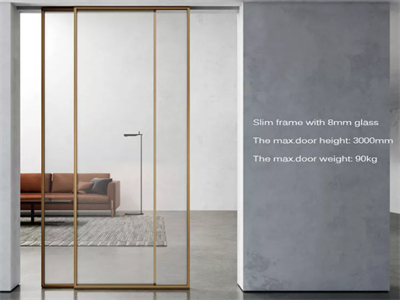
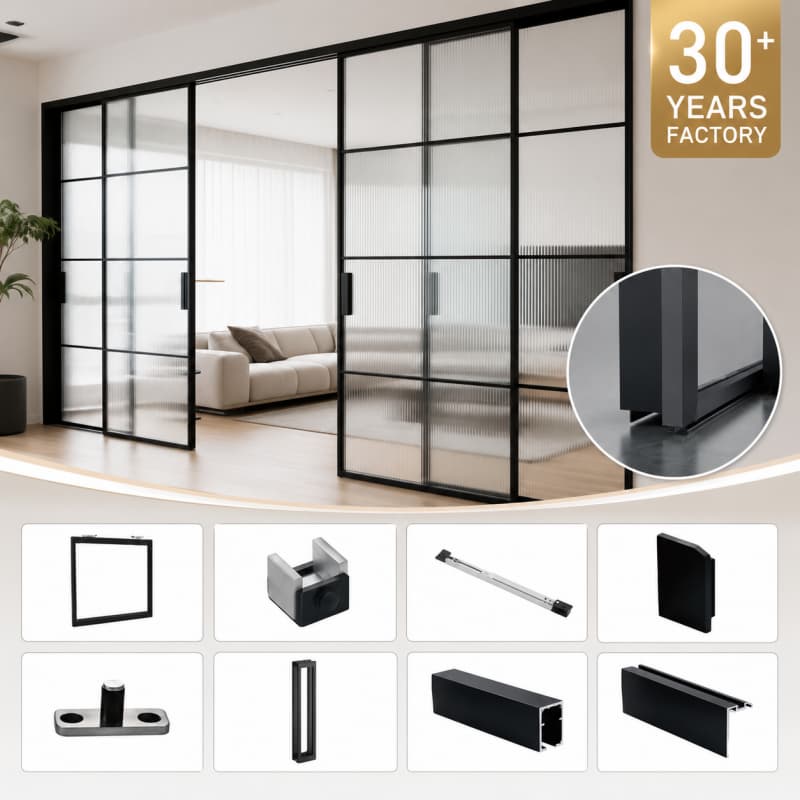
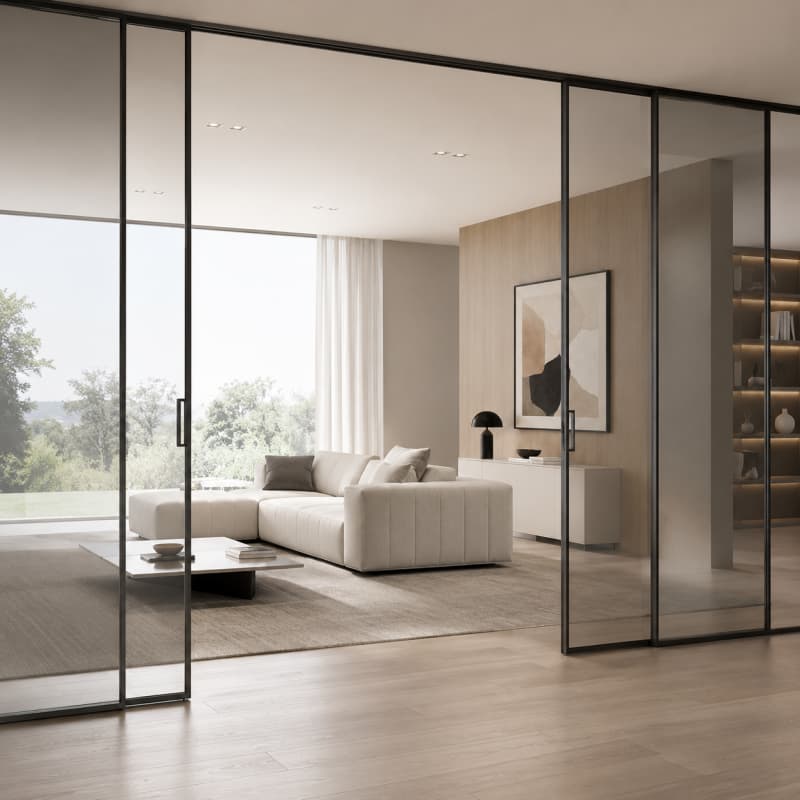
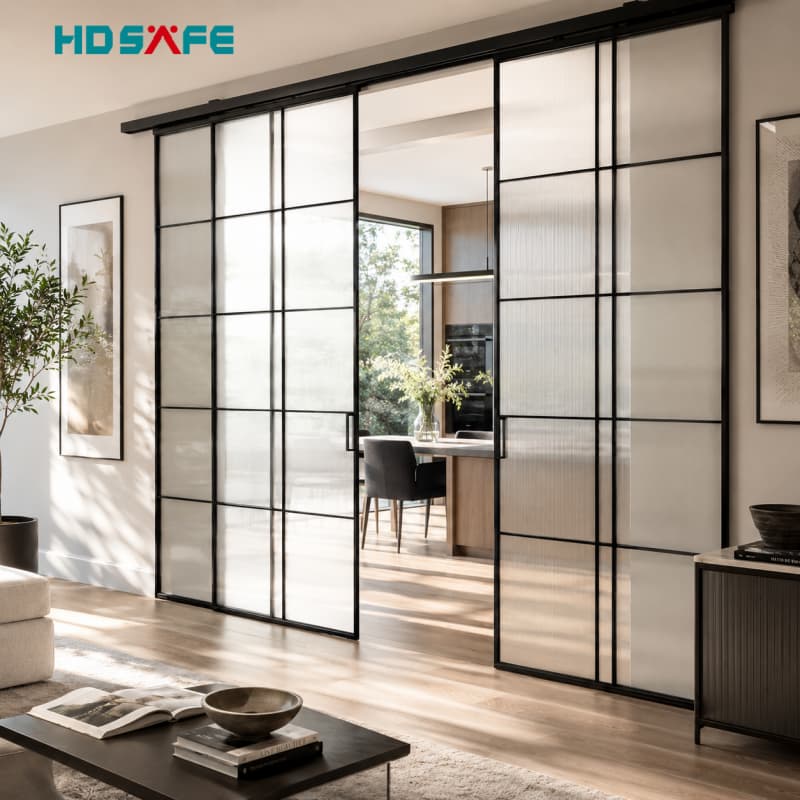
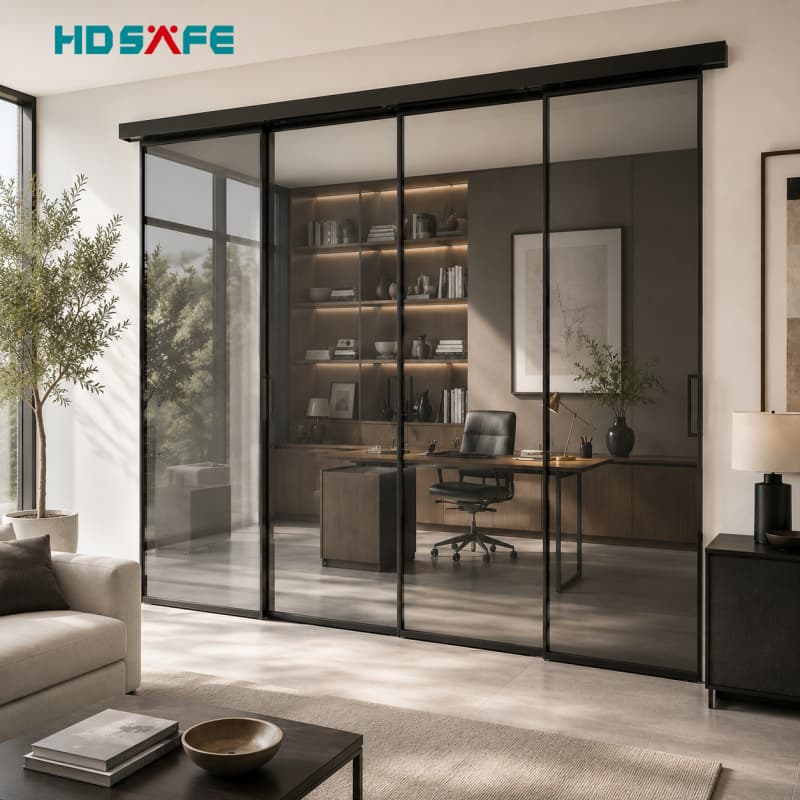
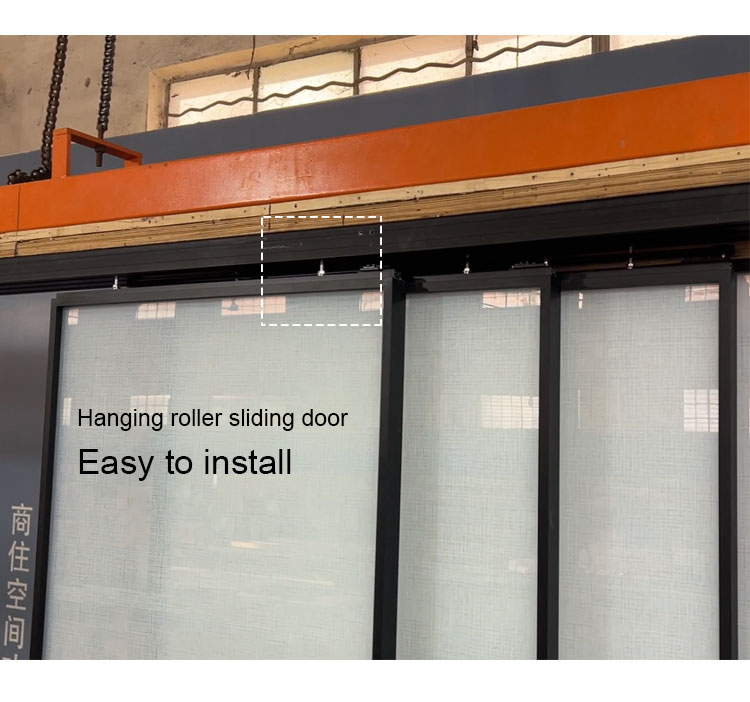
Trackless (top‑hung) interior systems: Panels hang from an overhead track with no bottom track, leaving the floor completely clear—ideal for seamless interiors and accessibility.
-
Automatic sliding doors: A motor in the header powers the panels, with a control system and sensors (motion, pressure mats, push buttons) triggering opening. Safety features like infrared safety beams and contact edges reverse the door if an obstruction is detected, and a dwell time keeps the door open for traffic flow.
Performance Factors to Consider
-
Thermal and acoustic performance: Better insulation and sound control come from double/triple glazing, Low‑E, argon fill, and well-sealed frames; sliding doors are generally less soundproof than hinged doors.
-
Security: Use tempered/laminated glass, multi-point locks, and anti-lift features; glass-break sensors and monitored alarms improve protection.
-
Maintenance: Keep tracks and rollers clean and lubricated, check seals for wear, and adjust rollers for smooth, aligned operation.
Common Configurations
-
Standard two‑panel bypass: One fixed, one sliding; ideal for patios and standard openings.
-
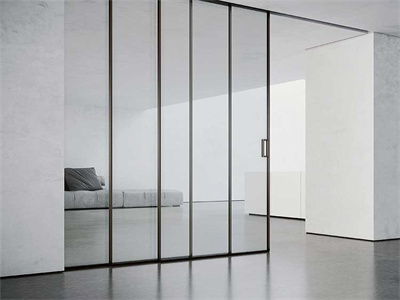
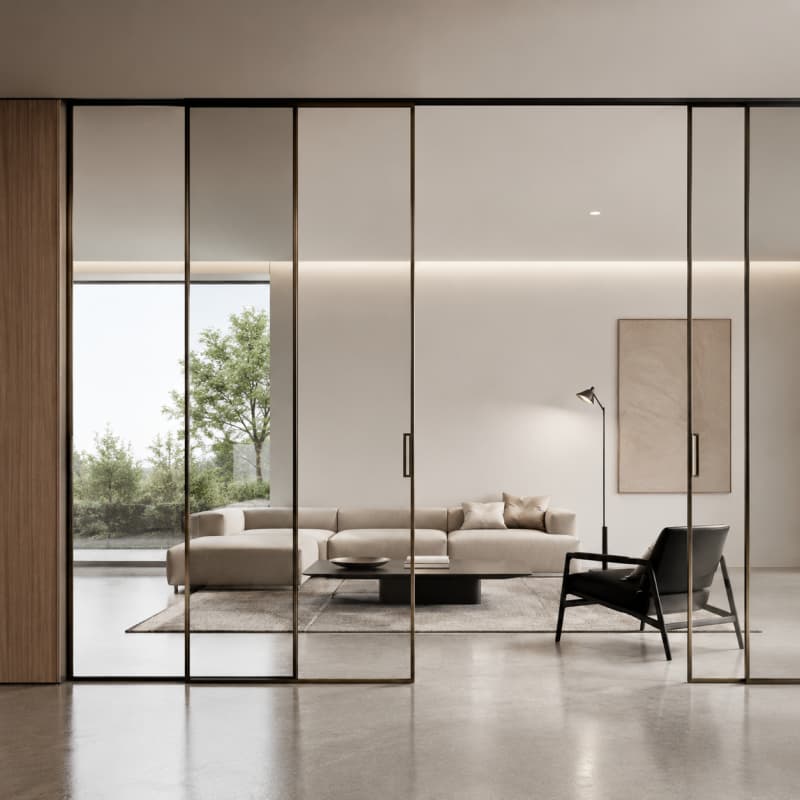
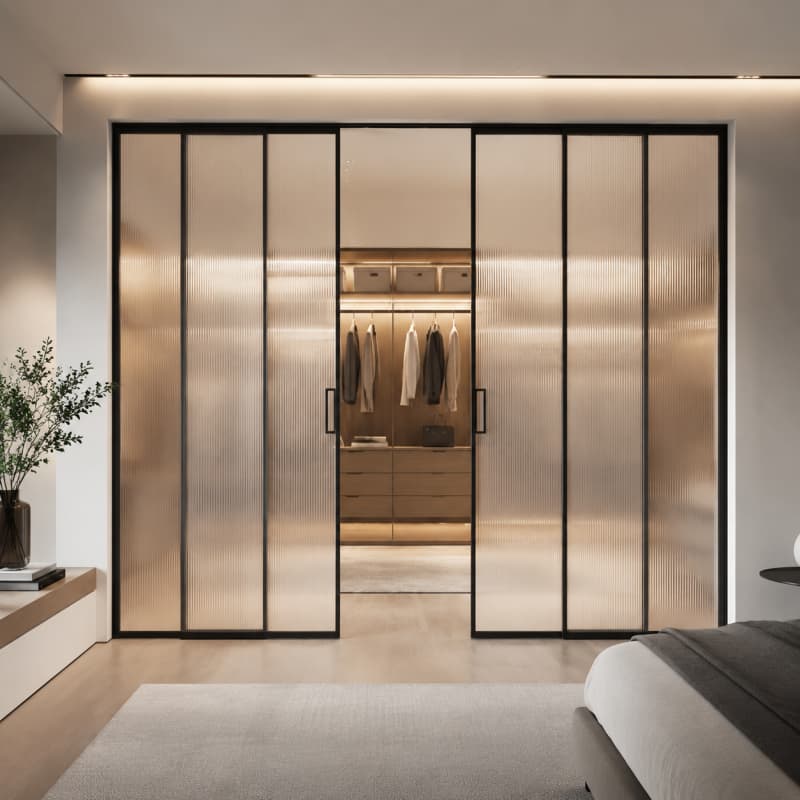
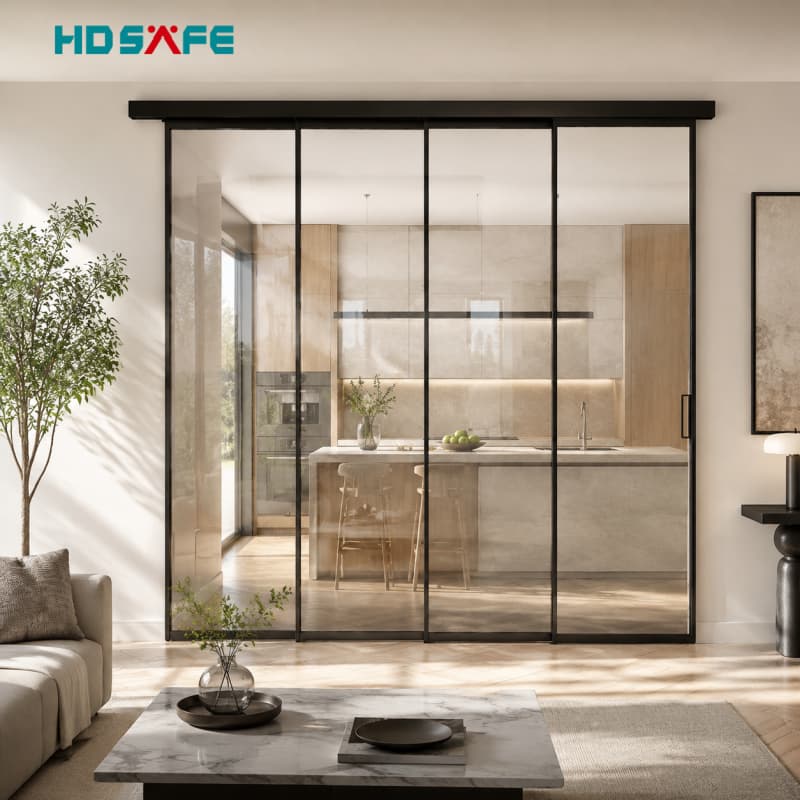
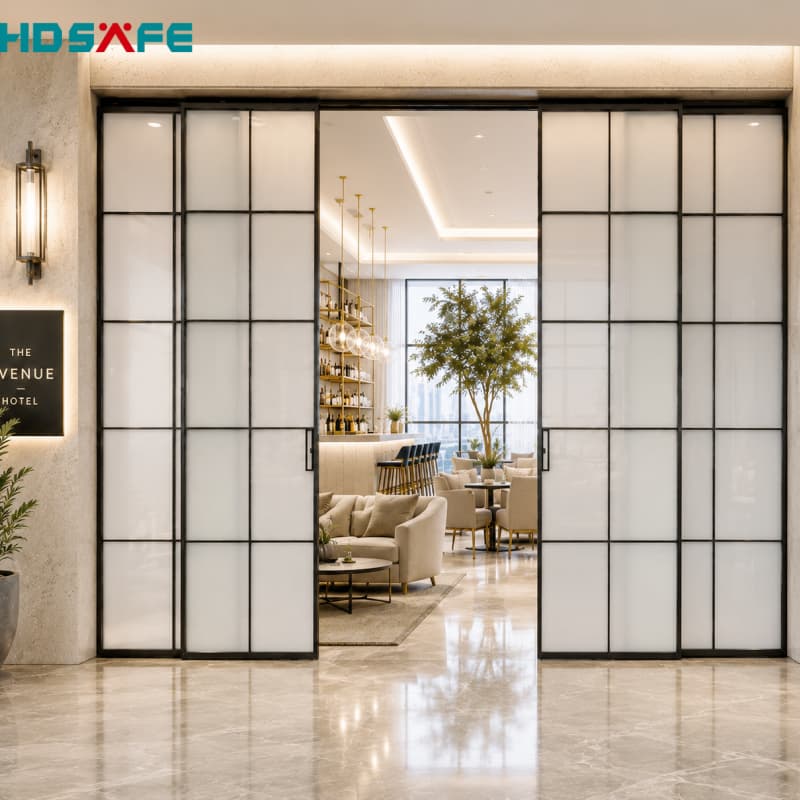
Multi‑track systems: Several panels slide and stack to open up very wide spans.
-
Corner‑opening sliding systems: Panels slide away from a corner joint to create a seamless, post‑free opening.
-
Pocket sliding doors: The panel disappears into a wall cavity for a fully concealed opening (requires wall depth).
 2026 Main Types of Sliding Doors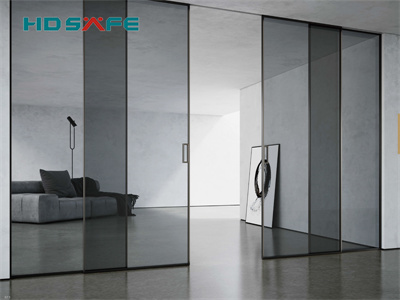
 Dec 08,2025