


 Home
Home Jan 05,2026
Understanding Different Types of Glass Railing Systems and Their Advantages Across Applications
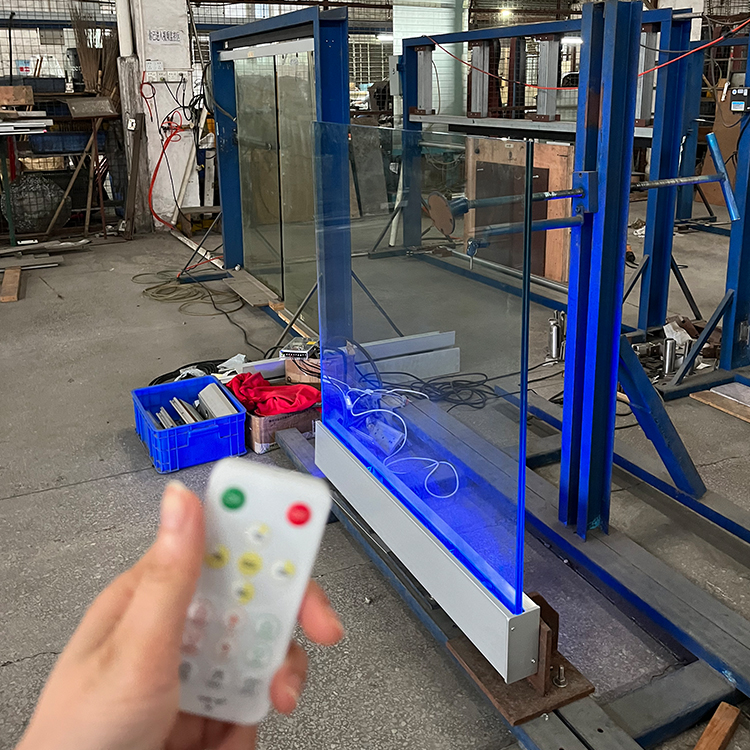
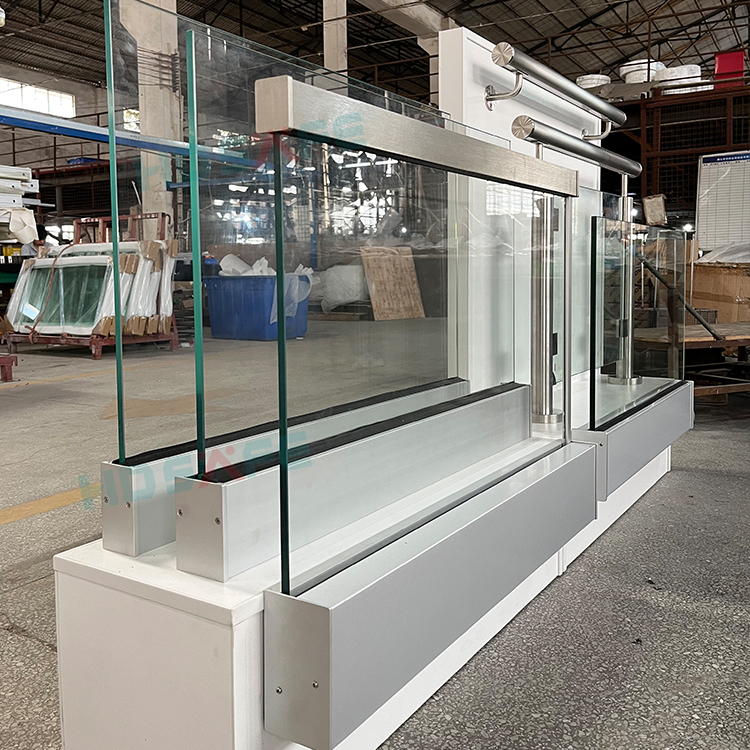
Glass railing systems have become a hallmark of modern architecture, offering unobstructed views, clean aesthetics, and versatile functionality for residential, commercial, and public spaces. Unlike traditional railing materials (wood, metal, or composite), glass provides a transparent, lightweight, and durable solution that enhances both safety and visual appeal.
This guide explores the key types of glass railing systems, their unique features, advantages, and ideal applications, helping you choose the right system for your project.
1. What Are Glass Railing Systems?
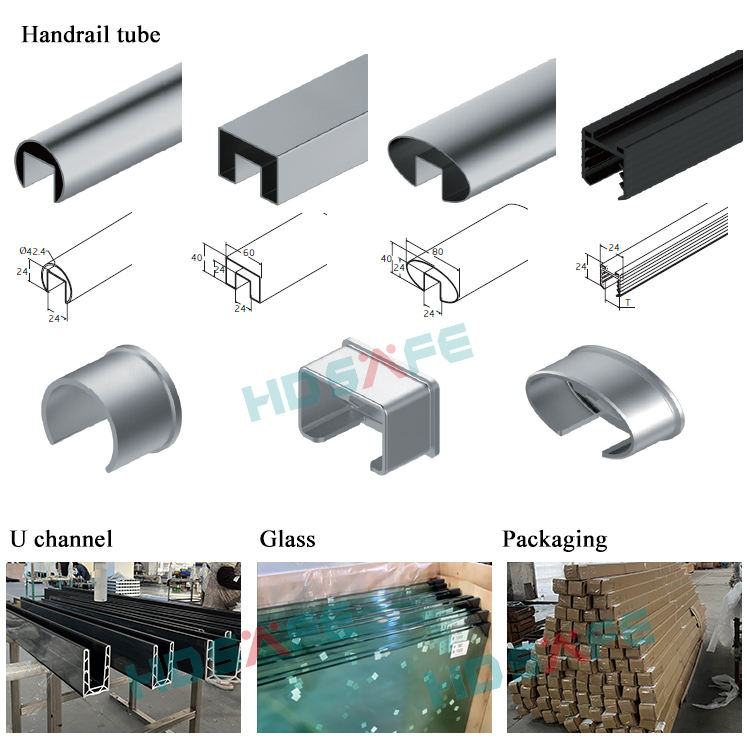
Glass railing systems consist of tempered or laminated glass panels supported by frames, posts, clamps, or embedded mounts. They are designed to meet safety codes (e.g., load-bearing, height, and spacing requirements) while minimizing visual obstruction. The primary components include:
-
Glass panels: Tempered (4–5x stronger than standard glass) or laminated (two panes bonded with a PVB interlayer for safety and soundproofing).
-
Support structure: Posts, handrails, clamps, or base shoes that secure the glass.
-
Fasteners: Stainless steel, aluminum, or brass hardware for durability and corrosion resistance.
2. Main Types of Glass Railing Systems
2.1 Frameless Glass Railing Systems
Description: Glass panels are held in place by minimal or no vertical posts, relying on clamps, standoff pins, or embedded mounts. Posts (if used) are small and discreet, preserving the “frameless” look.
Key Features:
-
Panels secured with point fixings (stainless steel clamps) or standoffs (spacers between glass and surface).
-
No horizontal or vertical framing; glass appears to “float.”
-
Requires precise engineering to meet safety codes (thicker glass, closer spacing).
Advantages:
✅ Unobstructed views: Maximizes sightlines (ideal for scenic landscapes, balconies, or terraces).
✅ Modern aesthetic: Sleek, minimalist design complements contemporary architecture.
✅ Light transmission: Enhances natural light flow in indoor/outdoor spaces.
✅ Easy maintenance: No frames to trap dirt or require painting.
Applications:
-
High-end residential balconies, decks, and rooftop terraces.
-
Luxury hotels, resorts, and commercial lobbies with panoramic views.
-
Swimming pool surrounds (with laminated glass for safety).
Considerations:
-
Higher cost due to thicker glass (typically ½”–¾” tempered or laminated) and precision hardware.
-
Requires professional installation to ensure stability and code compliance.
2.2 Framed Glass Railing Systems
Description: Glass panels are enclosed within aluminum, steel, or wood frames (vertical and/or horizontal). Frames can be slim or bold, depending on design goals.
Key Features:
-
Frames act as the primary support structure, reducing the need for thick glass.
-
Available in side-mounted (frames on one or both sides of the glass) or top/bottom-mounted (frames on horizontal edges).
-
Finish options: Powder-coated aluminum (matte, gloss), anodized metal, or stained wood.
Advantages:
✅ Structural stability: Frames distribute weight evenly, allowing thinner glass (¼”–½” tempered).
✅ Customizable design: Frame finishes and profiles (slim, square, rounded) match diverse architectural styles.
✅ Cost-effective: Lower material costs than frameless systems (thinner glass + standard hardware).
✅ Versatility: Suitable for indoor (staircases, mezzanines) and outdoor (patios, decks) use.
Applications:
-
Residential staircases, balconies, and Juliet balconies.
-
Commercial spaces (office lobbies, retail stores, restaurants) needing a balance of safety and style.
-
Historic or traditional homes (wood frames complement classic aesthetics).
Considerations:
-
Frames may partially obstruct views (slim profiles mitigate this).
-
Requires periodic maintenance (painting/staining for wood frames; cleaning metal frames).
2.3 Post-Mounted Glass Railing Systems
Description: Glass panels are supported by vertical posts (metal, wood, or composite) spaced at intervals (typically 3–6 feet apart). Posts can be surface-mounted (attached to deck/balcony surface) or core-mounted (embedded into the structure).
Key Features:
-
Posts act as the primary load-bearing element; glass is secured with clamps or gaskets.
-
Post materials: Stainless steel (sleek), aluminum (lightweight), wood (warm), or composite (low-maintenance).
-
Handrails (optional): Attached to posts for added safety and comfort.
Advantages:
✅ Strong structural support: Ideal for high-traffic areas (e.g., stadiums, public walkways).
✅ Flexible design: Post spacing and material can be customized (e.g., wider spacing for unobstructed views).
✅ Durable: Metal posts resist corrosion and impact; wood/composite posts offer aesthetic variety.
✅ Code-compliant: Meets strict load-bearing requirements for commercial/public use.
Applications:
-
Public spaces: Stadiums, bridges, boardwalks, and airport terminals.
-
High-traffic residential areas: Multi-family balconies, community pools.
-
Outdoor decks and patios with large spans between supports.
Considerations:
-
Posts may partially block views (choose slim profiles or fewer posts for minimal obstruction).
-
Core-mounted posts require drilling into concrete or wood, increasing installation complexity.
2.4 Standoff Pin Glass Railing Systems
Description: Glass panels are secured to the surface (deck, balcony, or floor) using standoff pins (stainless steel or brass spacers) that hold the glass ½”–2” away from the surface.
Key Features:
-
No vertical posts or continuous frames; glass is “floating” above the surface.
-
Standoffs are typically round or square, adding a subtle design accent.
-
Panels are often laminated for safety (prevents shattering if cracked).
Advantages:
✅ Minimalist aesthetic: Clean, uncluttered look with no visible hardware except standoffs.
✅ Easy installation: No need for core-drilling or complex framing.
✅ Durable: Stainless steel standoffs resist corrosion and weathering.
✅ Versatile: Works with curved or angled surfaces (e.g., spiral staircases).
Applications:
-
Residential balconies, terraces, and pool surrounds.
-
Indoor staircases and mezzanines in modern homes or offices.
-
Architectural features (e.g., glass walls separating living areas).
Considerations:
-
Requires precise spacing and leveling to ensure stability.
-
Thicker glass (½”–¾”) needed for safety, increasing cost.
2.5 Channel (Base Shoe) Glass Railing Systems
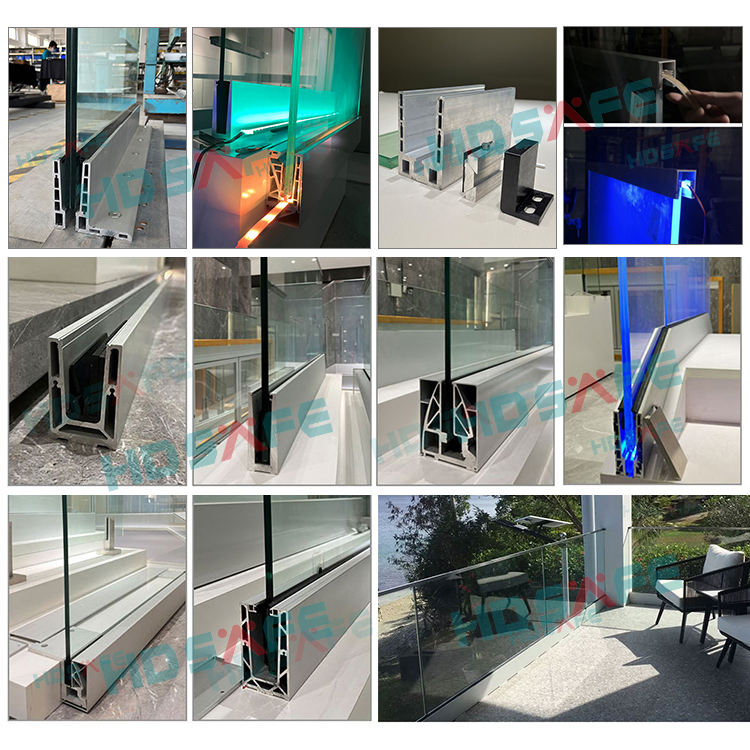
Description: Glass panels are inserted into a horizontal channel (base shoe) mounted on the floor or deck. The channel conceals the glass edge, creating a seamless look.
Key Features:
-
Channels are typically aluminum or stainless steel, with a U-shaped profile.
-
Glass is secured with silicone adhesive or gaskets to prevent movement.
-
Can be surface-mounted (channel attached to floor) or recessed (channel set into the floor for a flush look).
Advantages:
✅ Seamless appearance: No visible hardware; glass appears to emerge from the floor.
✅ Child safety: No gaps between glass and floor (prevents small objects from slipping through).
✅ Durable: Channels protect glass edges from impact and weathering.
✅ Low maintenance: No posts or frames to clean; silicone/gaskets require minimal upkeep.
Applications:
-
Indoor staircases and mezzanines (recessed channels for a clean, integrated look).
-
Outdoor patios and pool decks (surface-mounted channels for easy installation).
-
Commercial spaces (museums, galleries) where unobtrusive barriers are preferred.
Considerations:
-
Recessed channels require floor modification (cutting and embedding the channel).
-
Glass edges must be polished to prevent chipping when inserted into the channel.
2.6 Cable Rail with Glass Infill
Description: A hybrid system combining stainless steel cables (horizontal or vertical) with glass panels as infill. Cables act as the primary support, while glass fills gaps for unobstructed views.
Key Features:
-
Cables tensioned between posts for strength; glass panels (¼”–½” tempered) fit between cables.
-
Posts can be wood, metal, or composite.
-
Meets safety codes for cable spacing (typically ≤3” to prevent head entrapment).
Advantages:
✅ Hybrid functionality: Cables provide strength; glass maintains views.
✅ Modern-rustic aesthetic: Cables add an industrial touch; glass softens the look.
✅ Durable: Stainless steel cables resist corrosion; glass is impact-resistant.
✅ Versatile: Suitable for decks, balconies, and staircases.
Applications:
-
Coastal homes (cables resist saltwater corrosion; glass withstands storms).
-
Mountain lodges or cabins (blends with natural surroundings).
-
Urban lofts (industrial-meets-contemporary design).
Considerations:
-
Cable tensioning requires periodic adjustment to maintain safety.
-
Glass panels may need frequent cleaning (fingerprints/spider webs on cables are visible).
3. Key Advantages of Glass Railing Systems Across Applications
3.1 Aesthetic Appeal
-
Unobstructed views: Frameless and standoff systems maximize sightlines, ideal for scenic locations.
-
Modern design: Complements contemporary, minimalist, and industrial architecture.
-
Light enhancement: Transparent glass amplifies natural light, making spaces feel larger and brighter.
3.2 Safety & Durability
-
Tempered/laminated glass: Resists shattering; laminated glass holds together if cracked, reducing injury risk.
-
Weather resistance: Aluminum, stainless steel, and laminated glass withstand rain, UV rays, and temperature swings.
-
Code compliance: All systems meet local building codes for load-bearing, height (34–42” typical), and spacing.
3.3 Low Maintenance
-
No painting/staining: Unlike wood, glass and metal require only occasional cleaning.
-
Stain resistance: Glass repels water and dirt; metal hardware (stainless steel/aluminum) resists corrosion.
3.4 Versatility
-
Indoor/outdoor use: Suitable for balconies, staircases, patios, pool surrounds, and commercial spaces.
-
Customizable: Adjustable height, glass thickness, finishes, and support structures to fit any design vision.
4. Choosing the Right System for Your Project
4.1 Residential Applications
-
Balconies/Terraces: Frameless or standoff systems for unobstructed views.
-
Staircases: Framed or channel systems for safety and code compliance.
-
Pools: Laminated glass with frameless or channel systems (safety first).
4.2 Commercial/Public Applications
-
Lobbies/Retail: Framed or post-mounted systems for durability and high traffic.
-
Stadiums/Bridges: Post-mounted systems for maximum load-bearing capacity.
-
Museums/Galleries: Channel or frameless systems to preserve sightlines and aesthetics.
4.3 Climate Considerations
-
Coastal areas: Stainless steel hardware, laminated glass, and corrosion-resistant frames (aluminum/composite).
-
Cold climates: Tempered glass (resists thermal stress) and insulated base shoes/channels.
-
Hot climates: UV-resistant laminated glass and powder-coated aluminum frames (fade-resistant).
5. Maintenance Tips
-
Clean glass: Use non-abrasive cleaners (vinegar/water or commercial glass cleaner) to avoid scratching.
-
Inspect hardware: Check clamps, standoffs, and posts for looseness or corrosion; tighten/replace as needed.
-
Check seals: Ensure silicone/adhesive in channels or between glass panels is intact (prevents water ingress).
-
Polish metal: Use stainless steel polish to maintain hardware shine and prevent rust.
Conclusion
Glass railing systems offer a winning combination of safety, durability, and aesthetic flexibility, making them a top choice for modern design. Whether you prioritize unobstructed views (frameless), structural strength (post-mounted), or seamless integration (channel systems), there’s a glass railing solution to suit your project. By understanding the unique advantages of each type, you can select a system that enhances both the safety and beauty of your space, from luxury homes to bustling commercial hubs.
 What is a PT Door? The Ultimate Guide to Pt Doors (Sliding & Space-Saving)
 Dec 31,2025